


An Instagram post is spotlighting a major environmental issue: creating a workaround does not eliminate the need for real forests.
For colobus monkeys and other animals that live in the canopy, a rope over an opening may offer temporary help, but it cannot replace the living treetop network those species evolved to navigate.
What's happening?
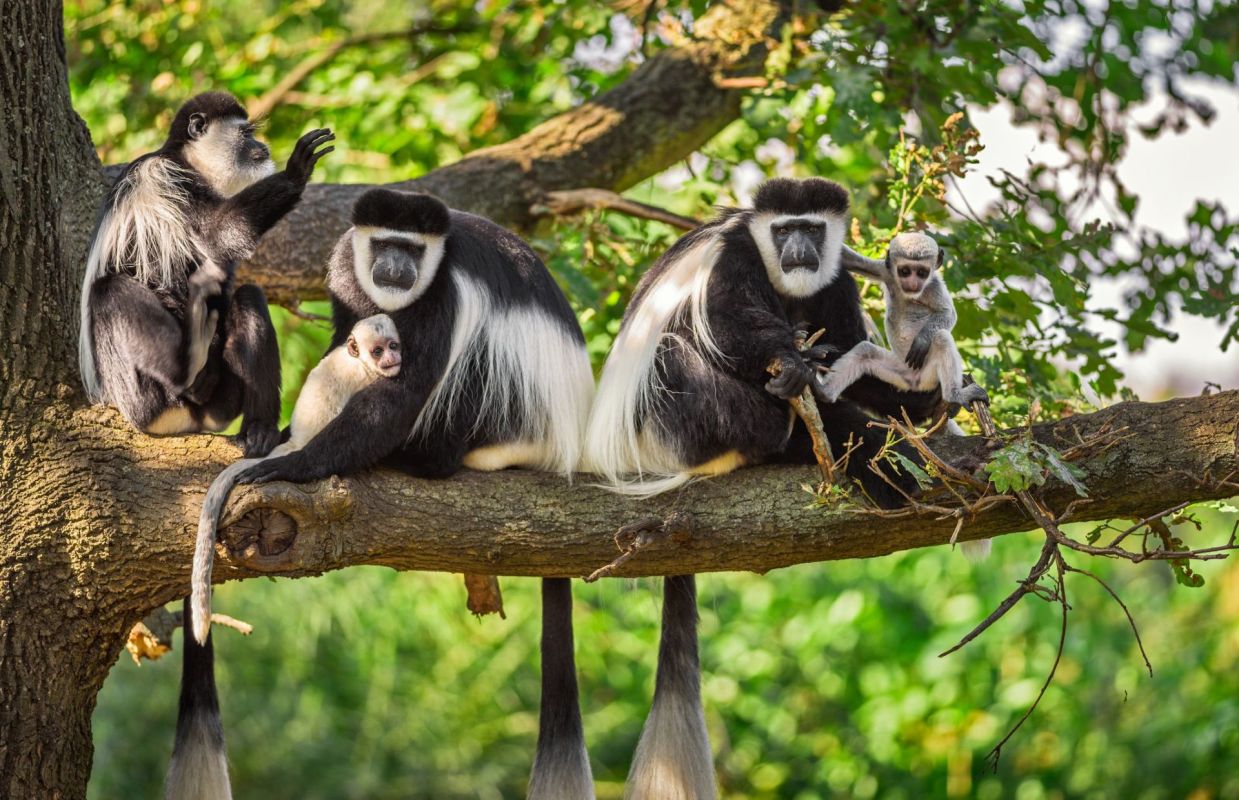
In a recent Instagram post, the content creator behind SnapsByMylo (@snapsbymylo) shared a message about the consequences of habitat fragmentation along with a stunning photo of a colobus monkey.
The creator wrote, "Colobus monkeys are built for life in the treetops, traveling incredible distances through connected canopies every day." Even small breaks in habitat can create major problems for wildlife.
The post also warned: "When forests become fragmented, those natural highways disappear, forcing wildlife into isolated pockets where finding food and mates becomes far more difficult." The issue is not just lost scenery — it is lost access, lost range, and lost resilience for animals that depend on connected treetops to survive.
The post suggested that rope bridges and similar crossings may sometimes lower immediate risk, but it also stressed that such measures do not bring back the food webs, shelter, and movement patterns of an intact forest.
TCD Picks » Quince Spotlight
💡These best-sellers from Quince deliver affordable, sustainable luxury for all




Why does it matter?
Instead of moving through uninterrupted branches, a species adapted to the canopy may end up confronting roads, farms, fences, or cleared stretches of land.
Once animals are cut off from one another, they may have smaller feeding territories, fewer chances to breed, and greater exposure to predators and stress. Even if some trees are still standing, species that depend on specialized habitats can quickly face a survival threat when forest links are broken.
The consequences extend beyond monkeys. Healthy, connected forests store carbon, support biodiversity, regulate water, and help stabilize ecosystems that people depend on, too. When landscapes are chopped into smaller and smaller pieces, the damage can ripple outward, affecting soil, local weather, crop systems, and community well-being.
Human-made solutions can help at the margins, but they cannot fully stand in for a working natural system.
What can I do?
Individual people cannot reverse global forest fragmentation on their own, but they can support forest conservation groups, follow land-use debates in their area, and back policies that protect large, connected habitats instead of only preserving isolated patches.
Consumers can also pay attention to products linked to deforestation, including some wood, beef, and palm oil supply chains. Choosing certified or more transparent options will not solve the issue by itself, but it can help signal demand for better practices.
At the community level, it is also worth supporting projects that preserve tree cover, expand habitat corridors, and improve wildlife-friendly planning. Crossing structures, reforestation, and smarter development can reduce harm — especially when they are part of a larger effort to keep ecosystems connected.
Saving wildlife is not only about rescuing individual animals; it is also about protecting the landscapes that allow them to live wild in the first place.

Get TCD's free newsletters for easy tips, smart advice, and a chance to earn $5,000 toward home upgrades. To see more stories like this one, change your Google preferences here.






