


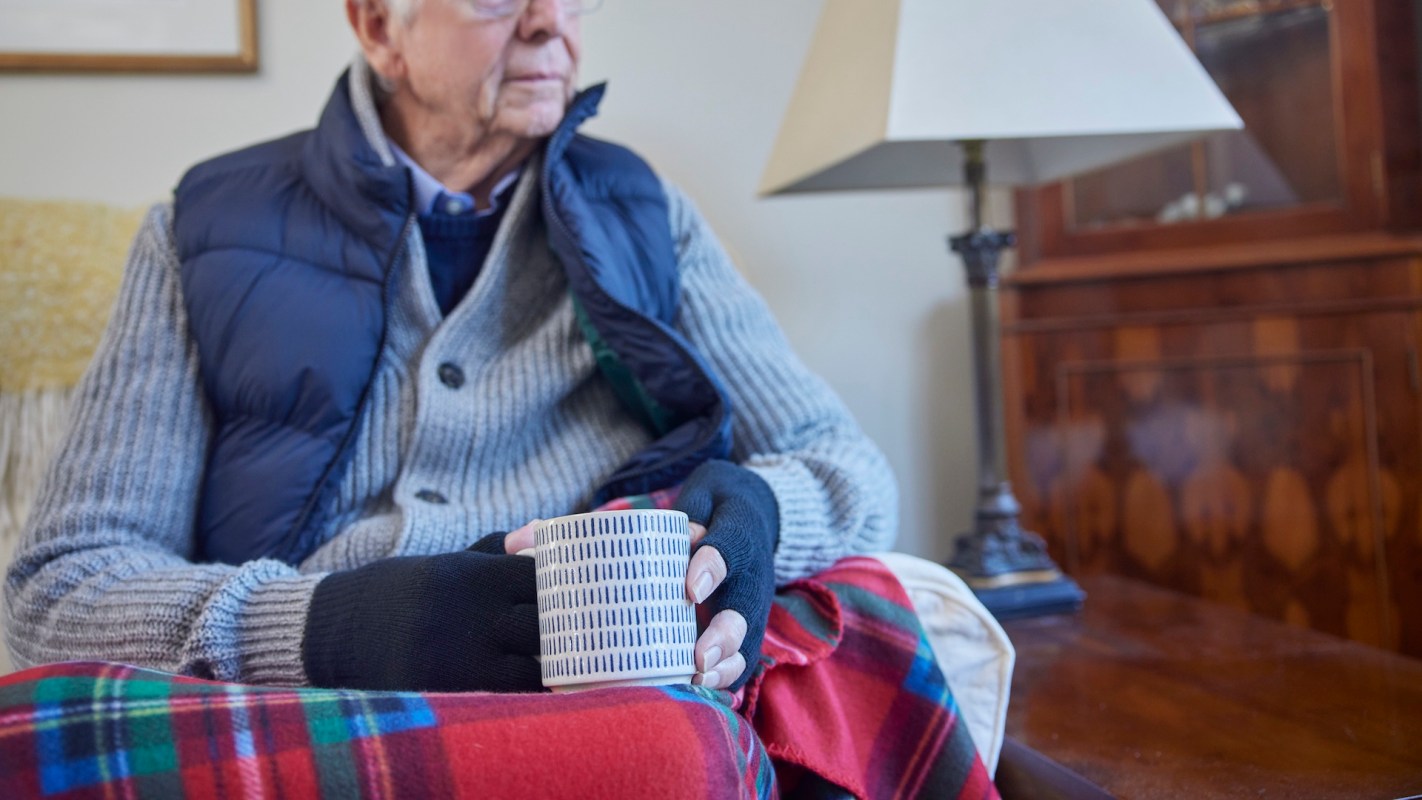
Cold weather in England was linked to an estimated 2,200 deaths during the winter of 2024-25, according to the U.K. Health Security Agency, The Independent reported.
A cold snap from Jan. 2 to Jan. 10 was associated with an estimated 1,563 deaths.
Here's what to know
"Data from the UKHSA showed 1,565 deaths were directly related to cold weather regardless of flu levels, while 635 were connected to low temperatures driving an increase in flu," the outlet stated.
The figure was higher the previous year, with 2,788 deaths linked to cold weather.
The UKHSA said that winters from 2020-21 to 2025-26 showed the population may be more vulnerable to harm from cold weather than it was during the winters from 2014-15 to 2018-19, per The Independent.
Data from the 2024-25 winter showed people over 85 were at the greatest risk.
TCD Picks » Quince Spotlight
💡These best-sellers from Quince deliver affordable, sustainable luxury for all




More background
According to the UKHSA, cold-linked deaths were recorded in private homes, hospitals, and care facilities, The Independent reported.
The agency said circulatory diseases made up the largest share of cold-associated deaths, with an estimated 757 fatalities.
The UKHSA noted that regional death patterns "do not always reflect differences in winter temperatures," pointing to the North East, which had colder weather than many other areas without a matching increase in deaths, according to the newspaper.
Extreme cold is one form of extreme weather, an escalating risk to health and safety worldwide. As the planet warms, dangerous weather — including unseasonable cold, superpowered storms, and more extensive flooding — causes increasing property damage and higher mortality rates.
The Independent noted that the North West had the highest cold-linked death rate, followed by the East Midlands and Yorkshire and The Humber.
What can be done?
UKHSA advice emphasized practical measures for homes, hospitals, and care facilities, including keeping parts of the building warm during cold spells, especially when vulnerable adults are involved.
The agency also urged people to check on friends, relatives, and neighbors who may face higher risks because of age, health conditions, or living circumstances, per the paper.
It advised people to pay close attention to weather forecasts and public health guidance during cold periods. The UKHSA emphasized that the health effects can continue in the days and weeks after a cold snap as well.
"While this estimate of cold-associated deaths is lower than we saw during the previous winter, these figures show that even short periods of cold weather can have serious effects on health and can lead to increased deaths in the days and weeks that follow," Dr. Agostinho Sousa, head of extreme events and health protection at the UKHSA, said. "As we head into winter, it is important that everyone takes simple steps to protect themselves and others."
Where can I learn more?
Winter weather can quickly become a serious health threat, and these stories show how that risk is playing out in different places.
• Across Europe, freezing temperatures bring destruction as deadly winter weather sweeps a vast region.
• In healthcare, unfavorable weather is grossly underestimated, leaving patients and staff at risk.
• The World Health Organization says urgent action is needed for climate-resilient healthcare facilities.

Get TCD's free newsletters for easy tips, smart advice, and a chance to earn $5,000 toward home upgrades. To see more stories like this one, change your Google preferences here.






