


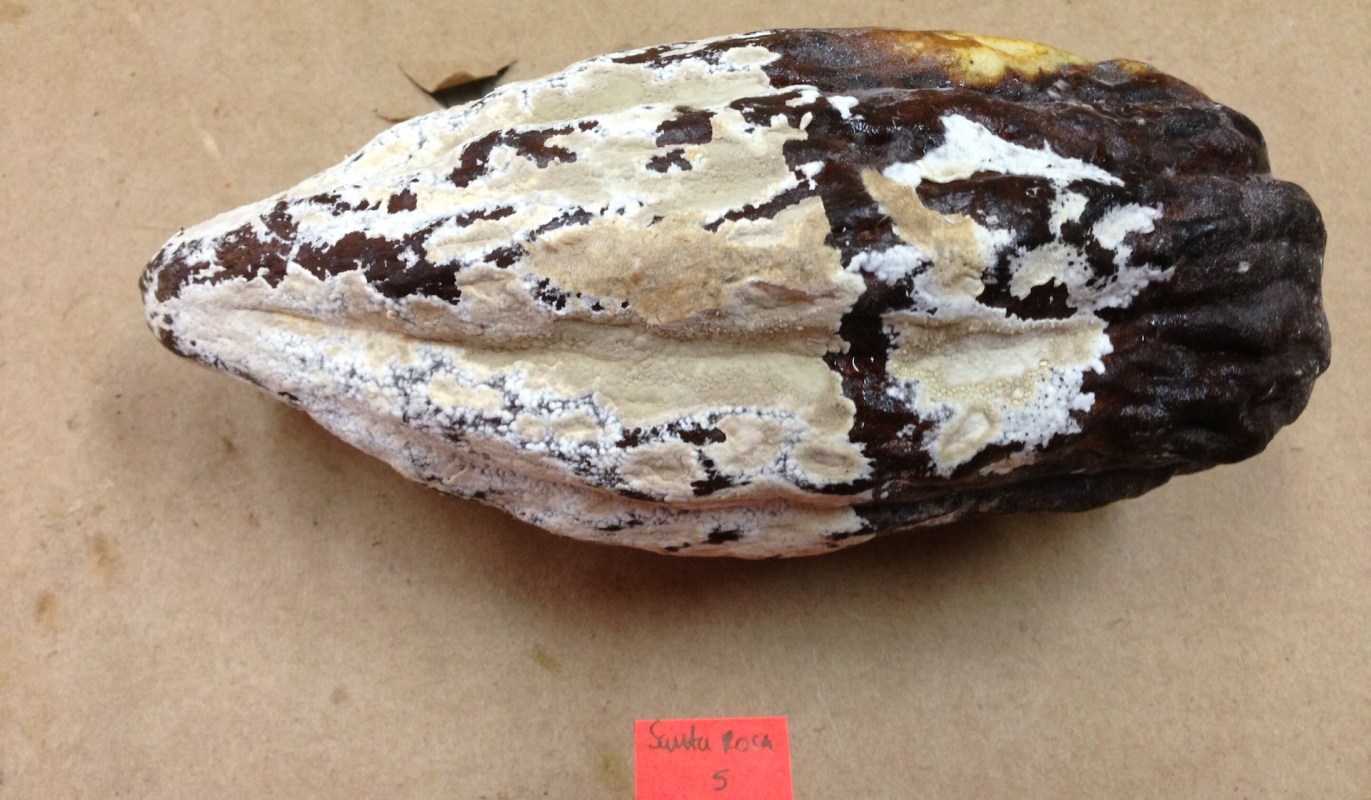
Chocolate lovers may have a new reason for optimism. Researchers have developed a natural emulsion that could help protect cocoa crops from one of Latin America's most destructive fungal diseases — without relying so heavily on conventional chemical treatments.
What's happening?
Cocoa moniliasis, caused by Moniliophthora roreri, can destroy more than 70% to 80% of a harvest. In a study published in Frontiers in Plant Science and summarized by Phys.org, researchers reported that an emulsion made from essential oils and fengycin, a natural compound produced by Bacillus bacteria, sharply suppressed the fungus.
Rather than relying on a single ingredient, the formulation combines two natural antifungal agents that appear to strengthen each other's effects. Essential oils contain compounds such as terpenes and phenols that can hinder fungal growth, while fengycin works by damaging fungal membranes.
What makes the approach especially promising is the emulsion itself. Researchers said it helps the active compounds spread more evenly and stay effective longer, and they found that it reduced mycelial growth and interfered with spore germination, affecting multiple stages of the pathogen's life cycle.
For many smallholder farmers, cocoa is a key source of income, and it also helps meet global demand for chocolate and other cocoa-based products.
Why does it matter?
When cocoa diseases destroy harvests, families who depend on cocoa sales can lose critical income, while supply disruptions can contribute to higher prices and more volatility for foods people buy every day.
TCD Picks » Quince Spotlight
💡These best-sellers from Quince deliver affordable, sustainable luxury for all




Using a natural treatment instead of repeated chemical applications could ease some of the environmental and health concerns tied to conventional fungicides. Those products can pose risks through exposure, runoff, and damage to beneficial soil life, so a biocontrol option may lower those risks while still supporting productivity.
Biocontrol options are also less likely than standard fungicides to drive pathogen resistance, which could make them a more durable tool as pathogens continue to spread and adapt.
That combination of crop protection and sustainability could help support a steadier cocoa supply produced with fewer synthetic inputs.
What's being done?
The study suggests that formulation technology could be central to making natural compounds work better under real farming conditions. By increasing the stability and bioavailability of fengycin and essential oils, researchers are trying to move these ingredients from lab promise toward practical use on farms.
Even so, the researchers said the emulsion still needs field testing, because humidity, sun exposure, and interactions with other microbes may change how it performs outside controlled settings. They also noted that questions about scaling up production, storage, and keeping costs manageable have yet to be resolved.
Overall, the findings add to a broader effort to protect yields while cutting reliance on synthetic agrochemicals.
If future field trials hold up, this natural emulsion could become an important tool for protecting cocoa and helping farmers maintain chocolate supplies with fewer environmental tradeoffs.

Get TCD's free newsletters for easy tips, smart advice, and a chance to earn $5,000 toward home upgrades. To see more stories like this one, change your Google preferences here.






