


A weakness in nuclear oversight may be hidden in a supply chain better known for powering electric vehicle batteries.
According to researchers, cobalt exports from the Democratic Republic of the Congo may have also carried uranium out of the country for years — and only a small share appears to have been officially reported.
What's happening?
Using mine and trade data, researchers from the University of Wisconsin-Madison and Princeton University have estimated that cobalt-hydroxide exports from the DRC carried roughly 4.4 million to 11 million pounds (2,000 to 5,000 metric tons) of natural uranium between 2000 and 2024, according to a University of Wisconsin-Madison news release. This is despite decades without full, official uranium production reports from the country.
The study, recently published by the research team in Nature Communications, drew on mineralization data, mine-level trade records, and a chemistry-based model of cobalt processing to show how uranium can remain mixed with cobalt ore as it moves through the supply chain.
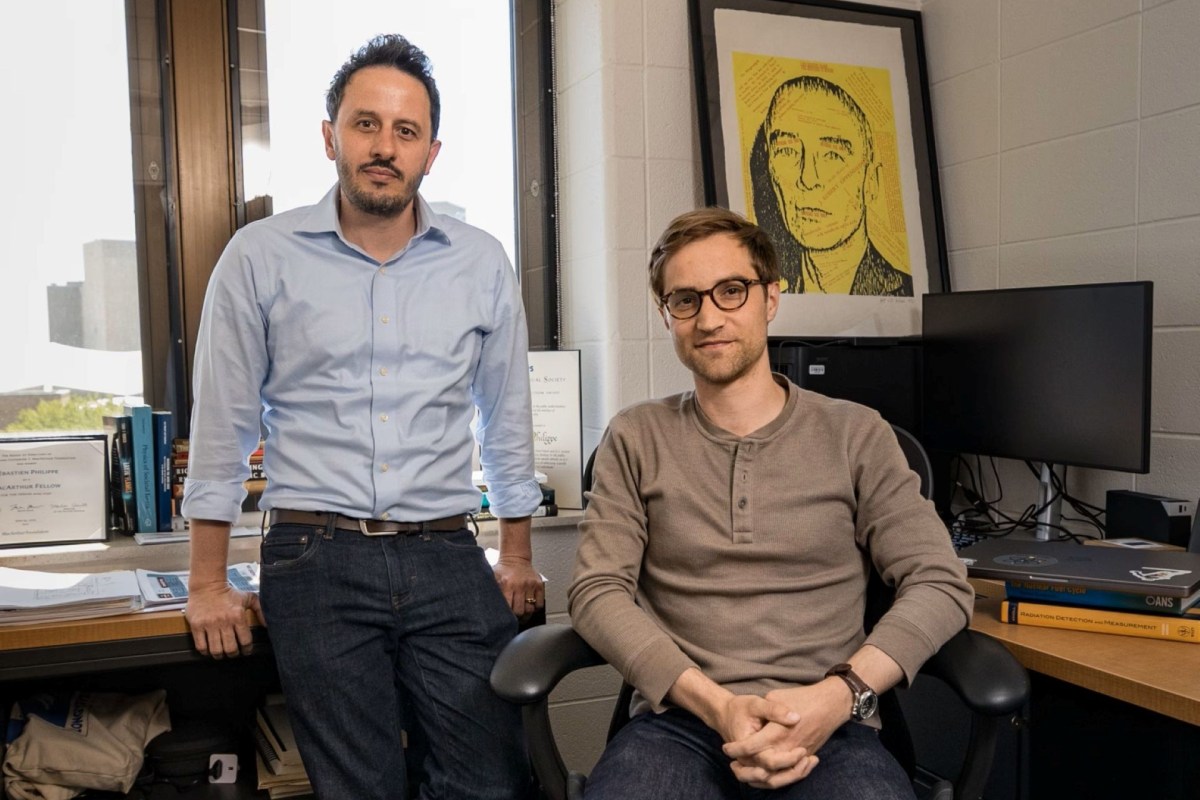
Study co-author Sébastien Philippe, a nuclear security expert and assistant professor of nuclear engineering and engineering physics at UW-Madison, said public declarations and international safeguards appear to cover under 10% of that uranium.
"This quantity of undeclared uranium could be used to produce fissile material for roughly 600 to 1,500 nuclear weapons or fuel a standard light-water nuclear reactor for 10 to 25 years, so it's quite a large amount," Philippe said in the news release.
TCD Picks » Quince Spotlight
💡These best-sellers from Quince deliver affordable, sustainable luxury for all




Why does it matter?
The Copperbelt in the DRC is central to the EV battery economy, with the region producing the cobalt used in lithium-ion cells.
Because uranium occurs alongside cobalt deposits, it can stay attached through mining and processing instead of being separated out before export.
Philippe warned that because the material is undeclared, "there are no limits on its end use."
Researchers also flagged dangers on the ground in the DRC. They estimate another 2.2 million to 8.8 million pounds (1,000 to 4,000 metric tons) of uranium may have been left in mine tailings in chemically mobile forms, creating possible exposure for miners and nearby communities.
What can be done?
The study co-authors say the first response should be tighter oversight: more complete uranium accounting in the DRC's mining industry and routine testing of cobalt-hydroxide exports before they leave the country.
Ryan Manzuk, a research fellow and the study's lead author, said the issue starts with the material being mined, not just with what happens later in the supply chain.
"So when companies are mining specifically for the cobalt mineral in this region, they're also extracting relatively high quantities of uranium — more uranium than you would get in your average rock — because the uranium is hitching a ride on the cobalt," Manzuk said in the university release.
The study also calls for radiation checks for workers and broader environmental monitoring.
The researchers added that if cobalt were refined into metal inside the DRC, uranium could be spotted and separated in a more visible process instead of passing through export routes unnoticed.
"Based on what we found, I think there needs to be an extensive national audit of mining in the DRC and new rules for separating uranium from the cobalt supply chain," Philippe said. "There's also a need for surveillance and monitoring mechanisms to ensure this is happening in an environmentally responsible way."

Get TCD's free newsletters for easy tips, smart advice, and a chance to earn $5,000 toward home upgrades. To see more stories like this one, change your Google preferences here.






