


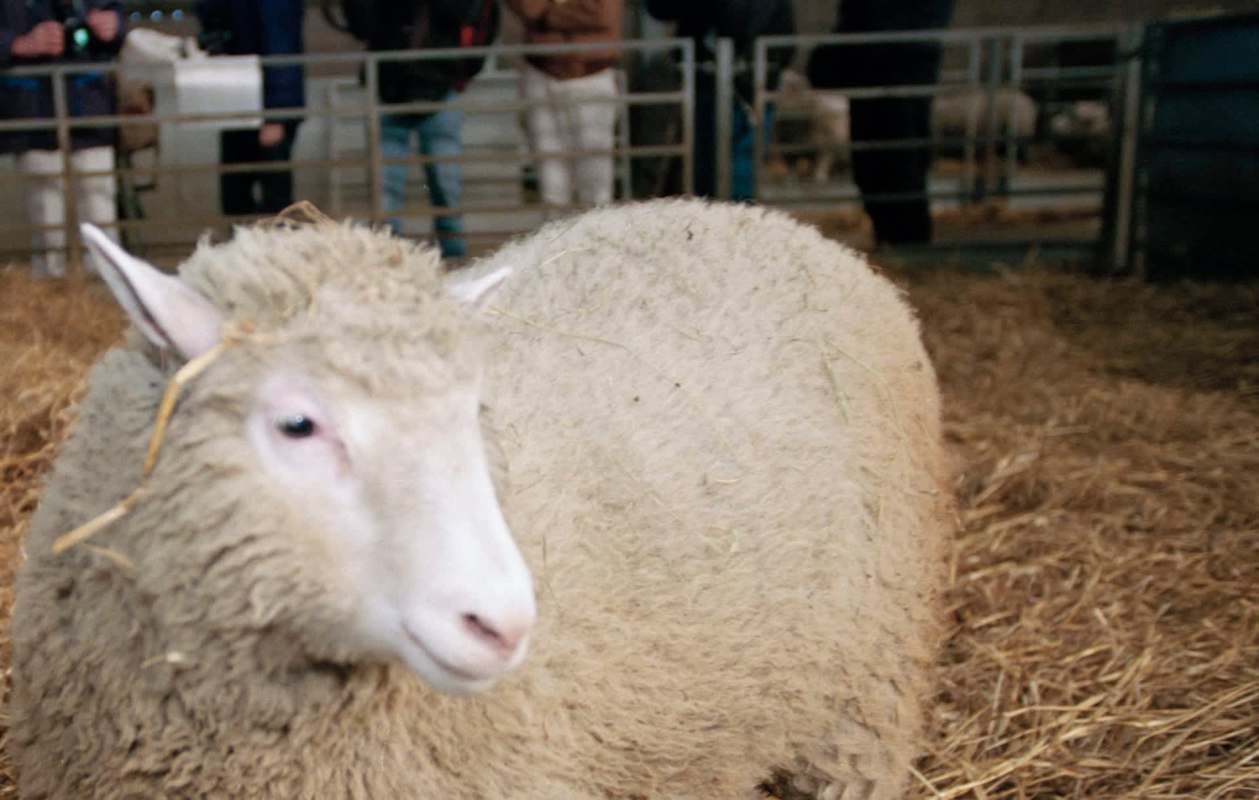
When Dolly the sheep was born, she sparked years of imagination about what cloning might someday do — from duplicating pets and even people to reviving vanished animals like mammoths.
Three decades on, the story looks much less like a sci-fi prophecy. Cloning's real impact has been in more targeted scientific work tied to medicine, farming, and wildlife protection.
What's happening?
Thirty years after Dolly became the first cloned mammal, the science still exists, but it has not turned into an easy way to reproduce animals. The process remains technically demanding, costly, and limited.
According to The Conversation, researchers now treat cloning as one method within a wider biotechnology toolkit, not as a shortcut for duplicating life.
Animal cloning is still usually done through somatic cell nuclear transfer. In that method, scientists remove the egg cell's nucleus and replace it with DNA from an adult body cell.
Dolly's creation showed how much trial and error is involved: researchers needed 277 attempts before one succeeded.
TCD Picks » Quince Spotlight
💡These best-sellers from Quince deliver affordable, sustainable luxury for all




The uses of cloning today are comparatively narrow. It can be used by parts of the livestock industry to copy especially valuable animals. Meanwhile, Barbra Streisand famously cloned her dog, and scientists cloned a black-footed ferret using preserved genetic material to help an endangered species.
Safety and ethical concerns are why human cloning is not being pursued.
Why does it matter?
Cloning research has produced benefits beyond simply making genetic copies.
Work in this area helped scientists better understand how adult cells can be reset into induced pluripotent stem cells for disease research, drug testing, and regenerative medicine.
That research could accelerate treatment development and improve health outcomes for everyday people.
Biodiversity helps support the systems people rely on, from stable food webs to healthier ecosystems. If cloning can help restore genetic diversity in endangered populations, it could play a small but meaningful role in protecting vulnerable species and the environments that sustain them.
A clone may share DNA with the original animal, but it does not inherit the original's memories, behavior, or life experiences. Because populations made up of too many genetically similar animals can be more susceptible to disease, cloning is not a cure-all for conservation or agriculture.
What's being done?
Researchers are focusing on the most practical and useful applications of the science.
In medicine, that means using lessons from cloning to better understand how cells can be reset and grown into different tissues for research.
In agriculture, cloning is mainly being used to preserve especially desirable animals rather than replace traditional breeding altogether.
Conservation is another focus. Scientists are exploring how stored genetic material could help restore lost genetic diversity in endangered species, as seen in the black-footed ferret project. That kind of effort could strengthen fragile populations without suggesting that cloning alone can rebuild an entire ecosystem.
Three decades after Dolly, cloning still cannot simply "copy and paste" life. Its more lasting significance may be that it showed scientists how cells can be biologically rewritten, a discovery that could matter more for human health and species recovery than the old sci-fi fantasy ever did.

Get TCD's free newsletters for easy tips, smart advice, and a chance to earn $5,000 toward home upgrades. To see more stories like this one, change your Google preferences here.






