


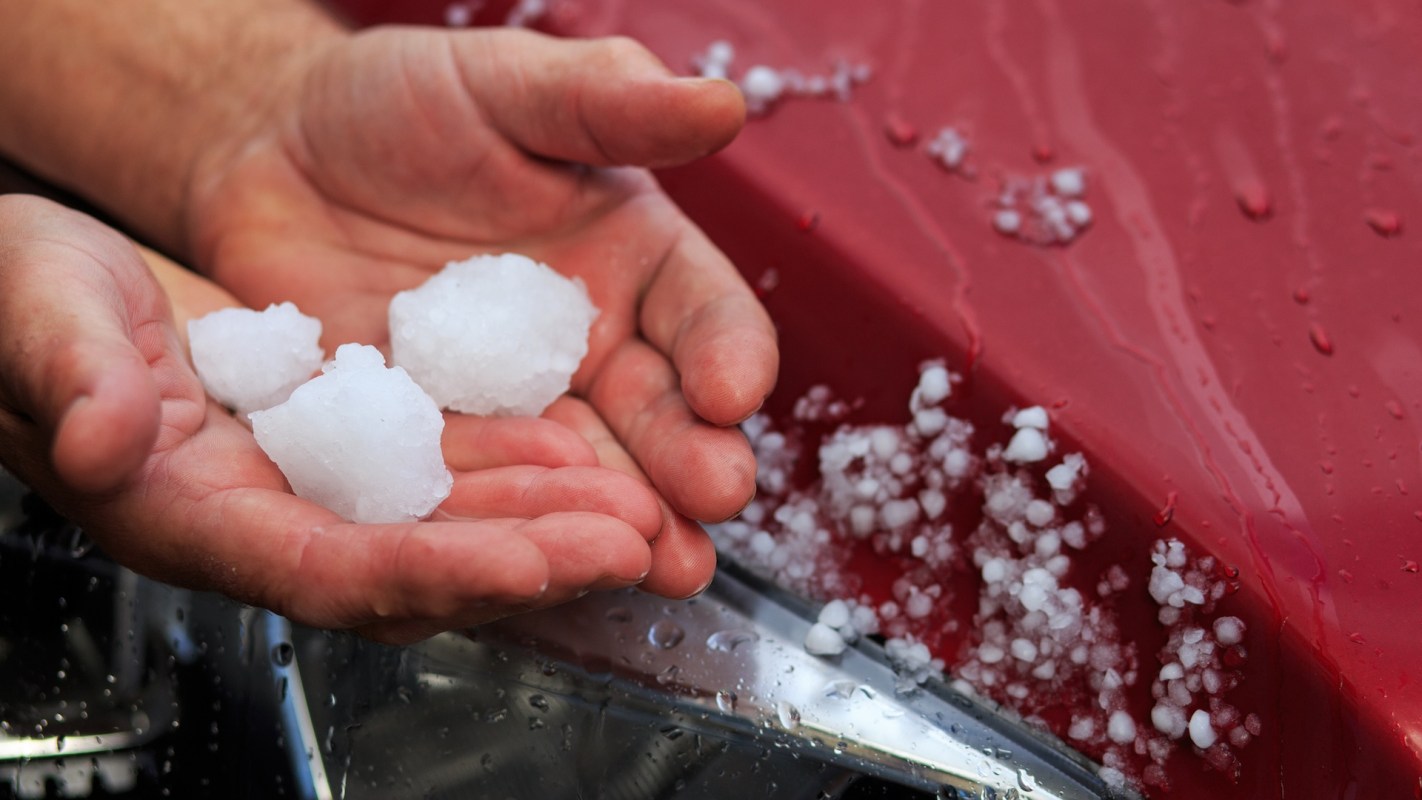
A warming planet may not just mean hotter days and heavier downpours — it could also mean larger, more destructive hailstones slamming into cars, roofs, and solar panels.
Research has suggested the costliest kind of hail is likely to become far more common by the end of the century, raising the stakes for homeowners, drivers, farmers, and anyone who relies on solar infrastructure.
Published in the journal Nature and summarized by Euronews, the study found that hailstones bigger than 30 millimeters — roughly between a large marble and a golf ball — are expected to increase 38% to 47% by century's end, with the rise tied to future pollution.
At the same time, storms that produce smaller hail are projected to decline by 4% to 8%. Researchers said that's because warmer air can melt smaller hailstones more easily, even as it helps fuel the powerful thunderstorms that produce larger ones.
Study co-author John Allen, a meteorology professor at Central Michigan University, explained that a warmer atmosphere can hold more water vapor, creating more unstable, high-energy air. That can lead to stronger storm updrafts — the rising air currents that allow hailstones to keep growing before they finally fall.
While the U.S. is often associated with severe hail, researchers noted that Europe, Canada, and Argentina are among the places likely to see sharper growth in large hail as warming continues.
TCD Picks » Quince Spotlight
💡These best-sellers from Quince deliver affordable, sustainable luxury for all




Hail may not draw as much attention as hurricanes or tornadoes, but it is already incredibly expensive. Allen said hail causes about $80 billion in damage globally, and its yearly toll now often exceeds that of several hurricanes.
Once hailstones reach about 2 inches, they can cause what researchers describe as "major damage" to vehicles, rooftops, solar installations, and other structures because larger stones fall faster and hit harder.
Europe is already seeing the toll. According to insurance group Chaucer, cited by Euronews, hailstorms there have increased by 267% over the past five years compared with 2019/2020 levels. A 2026 study published in the journal Climate Services said the 2022 and 2023 hail seasons both produced record losses of more than €5 billion — equivalent to about $5.8 billion.
As more homes, businesses, and solar farms are built in hail-prone areas, the potential losses continue to grow. Some parts of the solar industry are already trying to adapt. Solar farms are often required to demonstrate a hail-protection setting in which panels shift angle to about 70 degrees to help shield the glass. Adding remote-tilting capability across Europe's booming solar industry would be a difficult retrofit, according to Chaucer.
Researchers and insurers have also pointed to a design problem: many buildings still are not built with hail resilience in mind. Stronger roofing materials, better building standards, and smarter infrastructure planning may become increasingly important as storm patterns shift.
Parking vehicles under cover, reviewing home and auto insurance policies, signing up for severe weather alerts, and asking contractors or solar installers about hail ratings can help reduce losses.
Scientists have said that reducing the pollution from burning coal, oil, and gas that warms the atmosphere would also reduce conditions that favor destructive hail.

Get TCD's free newsletters for easy tips, smart advice, and a chance to earn $5,000 toward home upgrades. To see more stories like this one, change your Google preferences here.






