


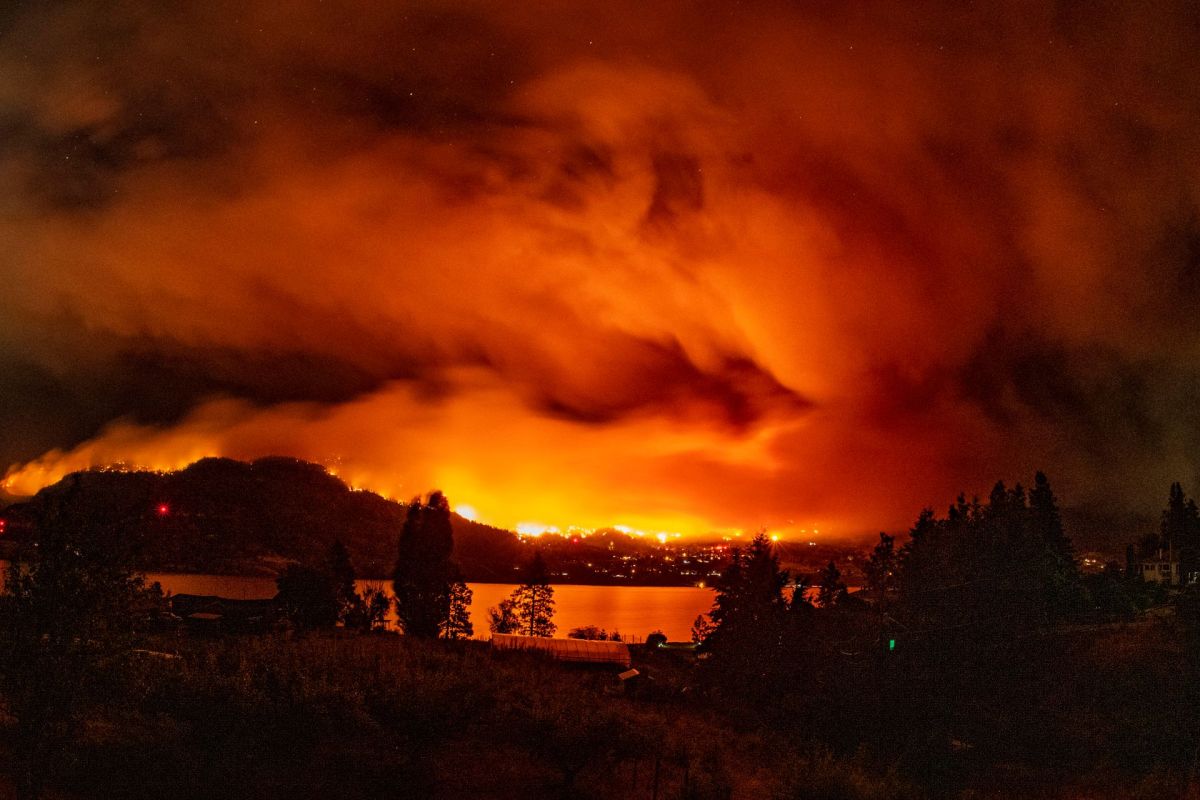
A new analysis links the extreme 2026 wildfires in Ontario and northwest Canada to rising global temperatures and climate change. The researchers concluded that fossil fuel-driven warming made the hot, dry, and windy conditions linked to the 2026 fire season roughly twice as likely.
What's happening?
According to a new study from Imperial College London's World Weather Attribution initiative, as reported by The Energy Mix, today's climate has made the weather behind the 2026 fires in Ontario and the Northwest Territories "about two or more times more likely."
The outlet explained that researchers said repeated bouts of heat and dryness, along with heavy lightning activity, drove the wildfire season to intensify through July. From observational data, they estimated that comparable fire weather now appears about every two to six years in the Northwest Territories and every six to 15 years in Ontario.
The study found that without climate change, those same conditions would be expected less than once every 40 years.
The Energy Mix reported that 9.4 million acres had burned in Canada by early August, greatly exceeding the 30-year annual average of 6.7 million acres for 1994 to 2023.
At a media briefing, report co-author and Imperial College London Centre for Environmental Policy professor Friederike Otto said, as reported by The Energy Mix: "The doubling might sound very little, but the impacts of that are really, really strongly non-linear, so a small change makes a huge difference for an ecosystem, and a community."
TCD Picks » Quince Spotlight
💡These best-sellers from Quince deliver affordable, sustainable luxury for all




Why does it matter?
The authors highlighted the "exceptionally rapid rate at which burned area accumulated over a very short period of time," especially during abrupt blowups in northwestern Ontario.
They also said the burden fell unevenly on people, writing that "First Nation communities were disproportionately affected." During the 2026 season, 13 Ontario communities were under evacuation orders, and most were small, remote First Nations.
The report said wildfire evacuations can be "an even more intense social and psychological stressor for Indigenous populations" because they can involve property loss, interrupted access to hunting grounds and traplines, and the legacy of forced displacement.
Another major risk is smoke. The report said PM2.5 pollution becomes hazardous above 300, and some parts of North America topped 1,000 during 2026 smoke events.
The researchers also pointed to a 2025 study that estimated "5,400 acute deaths and 64,300 chronic deaths in North America and Europe were attributable to PM2.5 exposure to the 2023 Canadian wildfires."
What's being done?
These attribution studies are designed to provide policymakers and the public with scientific evidence in near real time about the role climate change is playing in disasters.
Otto said the purpose of the World Weather Attribution project is "to provide scientific evidence on the question of the role of human-induced climate change in the immediate aftermath of extreme weather occurring, or as in this case, while the event is still unfolding."
Using the report's findings, United Nations climate secretary Simon Stiell called for a quicker move away from fossil fuels and toward cleaner energy, The Energy Mix reported. He also said communities already bearing the heaviest impacts, including Indigenous communities on the front lines, need better protection.

Get TCD's free newsletters for easy tips, smart advice, and a chance to earn $5,000 toward home upgrades. To see more stories like this one, change your Google preferences here.






