


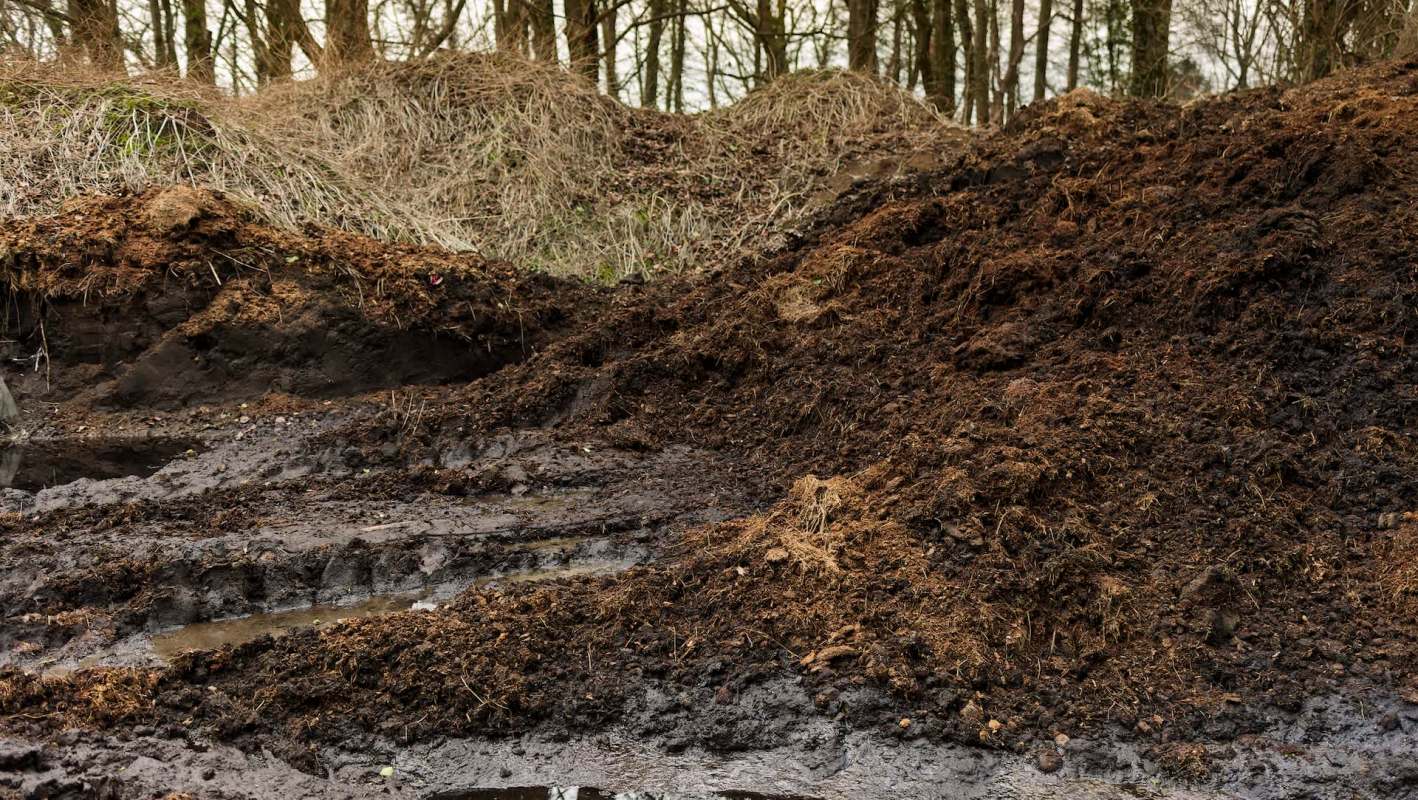
A new state investment is set to help Clay County, Minnesota, begin keeping more organic waste out of its landfill. The $2 million award is intended to get a composting effort off the ground so food scraps can be converted into a useful soil product instead of becoming planet-warming waste.
What happened?
InForum reported that Clay County and its Climate Action Group, local residents focused on climate issues, were awarded $2 million by the Minnesota Pollution Control Agency to develop an organics composting program.
Officials plan to launch collection at schools and other places that serve daily meals, later expanding to public drop-off sites for residents.
For Paul Harris, a member of the Clay County Climate Action Group, concern about the climate effects of food waste was a key reason behind the effort.
"We wanted to do something that would reduce the carbon footprint of Clay County," Harris said.
Clay County sends about 15,000 tons of organic material to the landfill each year. A complete rollout may still be a few years away, Solid Waste Management Director Corey Bang told InForum, but the funding clears a major early obstacle.
TCD Picks » Quince Spotlight
💡These best-sellers from Quince deliver affordable, sustainable luxury for all




Why does it matter?
Food waste becomes a pollution problem once it is buried in landfills. Without enough oxygen, scraps break down in a way that produces powerful heat-trapping gases that contributes to rising global temperatures.
A local composting system can help ease that burden while producing something useful in return. Instead of treating food scraps as trash, communities can turn them into compost that supports healthier soils, gardens, and landscaping.
Programs like this can reduce pressure on landfill space, expand waste-sorting options, and make it easier for households and institutions to handle scraps more responsibly.
Clay County's move aligns with a broader push in communities across the country to rethink what gets thrown away. The Cool Down has reported on other composting efforts showing how food scraps and yard waste can be diverted from landfills and turned into a resource for local use.
What's being done?
The county plans to use windrow composting, a method that places organic material in long rows so it can decompose under managed conditions. By starting with schools and other food-serving organizations, officials can focus first on large, steady streams of scraps that are easier to collect.
Public drop-off sites are also part of the plan, which could eventually give more residents a simple way to participate. That kind of access can be especially important for people who want to compost but do not have backyard space or a home setup.
"We're going to try stuff, if it doesn't work, we're going to pivot and make things that do work, so be patient with us," Bang said.

Get TCD's free newsletters for easy tips, smart advice, and a chance to earn $5,000 toward home upgrades. To see more stories like this one, change your Google preferences here.






