


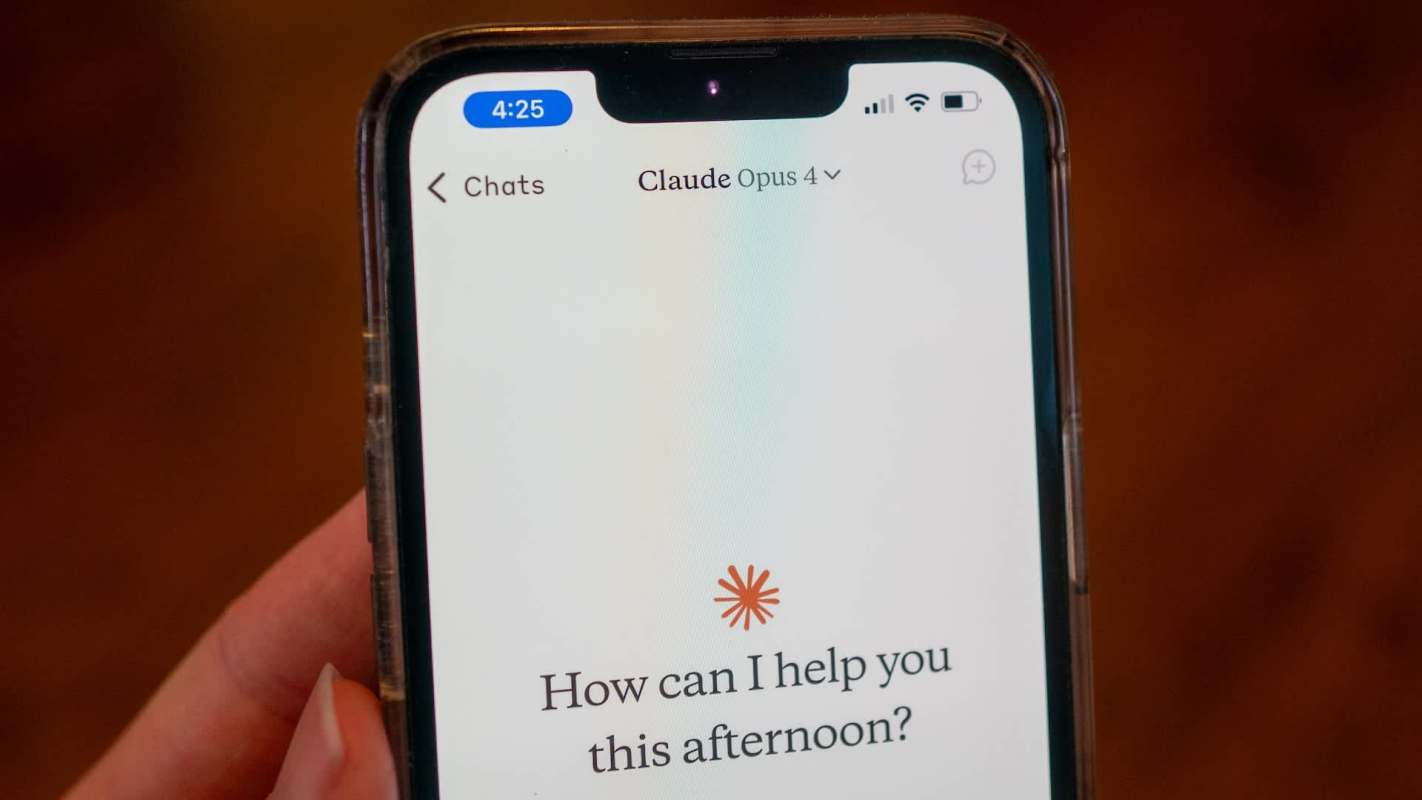
A feature designed to make it easier to share Anthropic's Claude chats and projects may have exposed far more than some users realized. In some cases, documents containing sensitive personal and business information were reportedly searchable on Google.
That means a link intended for a coworker, friend, or small group could potentially become visible to anyone using a search engine.
What happened?
According to Futurism, Google indexed a range of Claude content, including chat logs, shared documents, and Claude Artifacts, making those pages discoverable on the public internet.
The concern centers on Claude's sharing feature. When users select the chatbot's "share" button, they are told it creates a "public" link and that "anyone with the link can view." But the warning reportedly does not clearly say that search engines may also index the shared page.
Claude Artifacts, meanwhile, reportedly carry a clearer warning that publishing "will make it accessible to anyone on the internet and potentially visible in search engine results."
Not every indexed page appeared to be accidental, with some seemingly created for public access, such as personal websites or simple apps. But the report said Google also surfaced much more sensitive material, including what looked like a patient medical report, clinical trial results with patient names, lists containing children's names and phone numbers, internal company documents, and employee reviews with personal information.
TCD Picks » Quince Spotlight
💡These best-sellers from Quince deliver affordable, sustainable luxury for all




Futurism said Reddit users first noticed the exposure over the weekend, and the chats remained searchable.
Why does it matter?
If people use AI tools to draft work memos, organize family details, summarize health information, or build internal apps, they may assume that a link shared with only a few people will stay limited to that audience. Search indexing can turn that assumption into a major privacy and security risk.
The situation also appears to fit a broader pattern. Anthropic reportedly dealt with a similar issue before, and other major AI companies, including OpenAI and xAI, have also faced scrutiny after user conversations became discoverable online.
What can I do?
Avoid using public share links for anything sensitive.
Treat every AI use as potentially public unless a platform clearly says otherwise. Before sending a link, users can check whether the page may be indexed, whether access can be restricted, and whether the tool offers stronger privacy controls for teams or personal use.
For companies, the episode is another signal to establish clear internal rules around AI use. Employees may need guidance on what should never be entered into a chatbot, what can be shared externally, and how to handle drafts or data involving customers, patients, students, or coworkers.
Anthropic said in a statement: "When someone shares a conversation, they are making that content publicly accessible, and like other public web content, it may be archived by third-party services."

Get TCD's free newsletters for easy tips, smart advice, and a chance to earn $5,000 toward home upgrades. To see more stories like this one, change your Google preferences here.






