


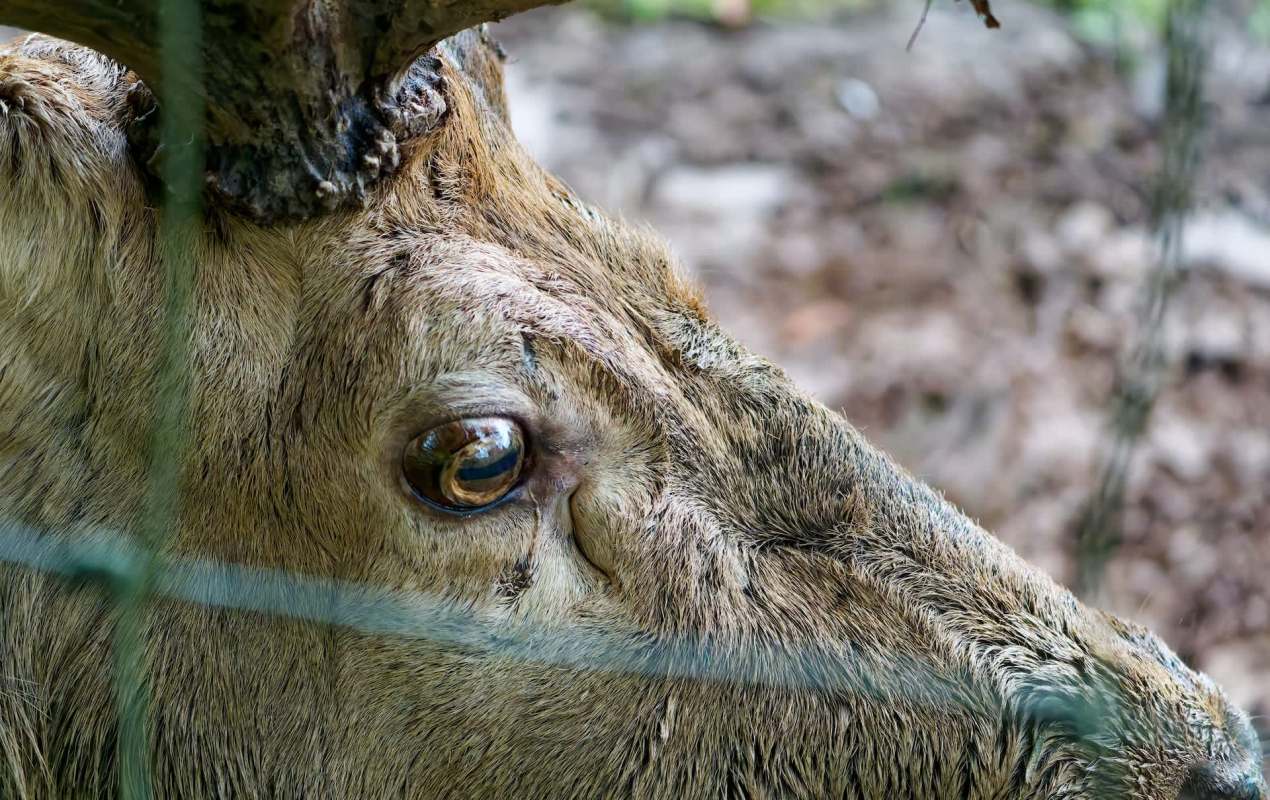
Researchers report that chronic wasting disease, or CWD, can leave behind transmissible prions even in animals that show no visible illness, with those materials later causing disease in other species under laboratory conditions.
That does not mean the deer disease is suddenly infecting people, but researchers say it is another sign that this fast-spreading wildlife illness warrants close monitoring, reported ScienceDaily.
What happened?
Prions cause chronic wasting disease, a deadly disorder of the brain and nervous system seen in cervids, including deer and elk.
Now, a University of Calgary team working with international partners says the disease may be more complex than outward symptoms suggest.
The Science Advances study found that most lab animals never showed clear symptoms, yet tests of their tissues still detected small amounts of infectious prions.
After those tissue samples were introduced into animals of other species, the recipients showed signs of CWD.
TCD Picks » Quince Spotlight
💡These best-sellers from Quince deliver affordable, sustainable luxury for all




"These findings show that even without obvious (clinical signs), infectious prions can still be present and transmissible," says Dr. Samia Hannaoui, PhD, a researcher and assistant professor at the University of Calgary Faculty of Veterinary Medicine and the study's first author.
Researchers noted that prion diseases are especially difficult to predict because the infectious proteins can change as they move between hosts, potentially creating new strains over time.
Why does it matter?
No human case of CWD has ever been confirmed, and researchers stressed that this study does not show an immediate threat to people. Public health experts monitor diseases like this closely because pathogens can behave differently as they spread, and early surveillance can help wildlife agencies and health systems respond before risks grow.
Infected animals can shed prions through urine and feces long before they look sick, contaminating soil and vegetation for months or even years.
As Dr. Hermann Schaetzl, MD, Dr. med, professor at the University of Calgary Faculty of Veterinary Medicine and the study's last author, put it: "By the time you see clinical signs, the animal has often been infectious for a long time."
Scientists also point to history. Bovine spongiform encephalopathy, better known as mad cow disease, crossed from cattle to humans.
Current evidence suggests a strong barrier between CWD and humans, but researchers say studying silent infections and cross-species transmission remains important as the disease spreads more widely.
What are people saying?
Schaetzl emphasized that the findings should be taken seriously without being overstated: "Our findings don't indicate an immediate risk to humans, but they do suggest the situation is more nuanced than previously understood."
He also addressed why spread in wildlife matters: "The more the disease spreads in animals, the more opportunities there are for exposure. Risk is linked to prevalence."
Hannaoui pointed to one possible path forward as vaccine work continues, saying, "If we can reduce shedding, we may be able to reduce transmission. That could have important implications at the cervid population level."

Get TCD's free newsletters for easy tips, smart advice, and a chance to earn $5,000 toward home upgrades. To see more stories like this one, change your Google preferences here.






