


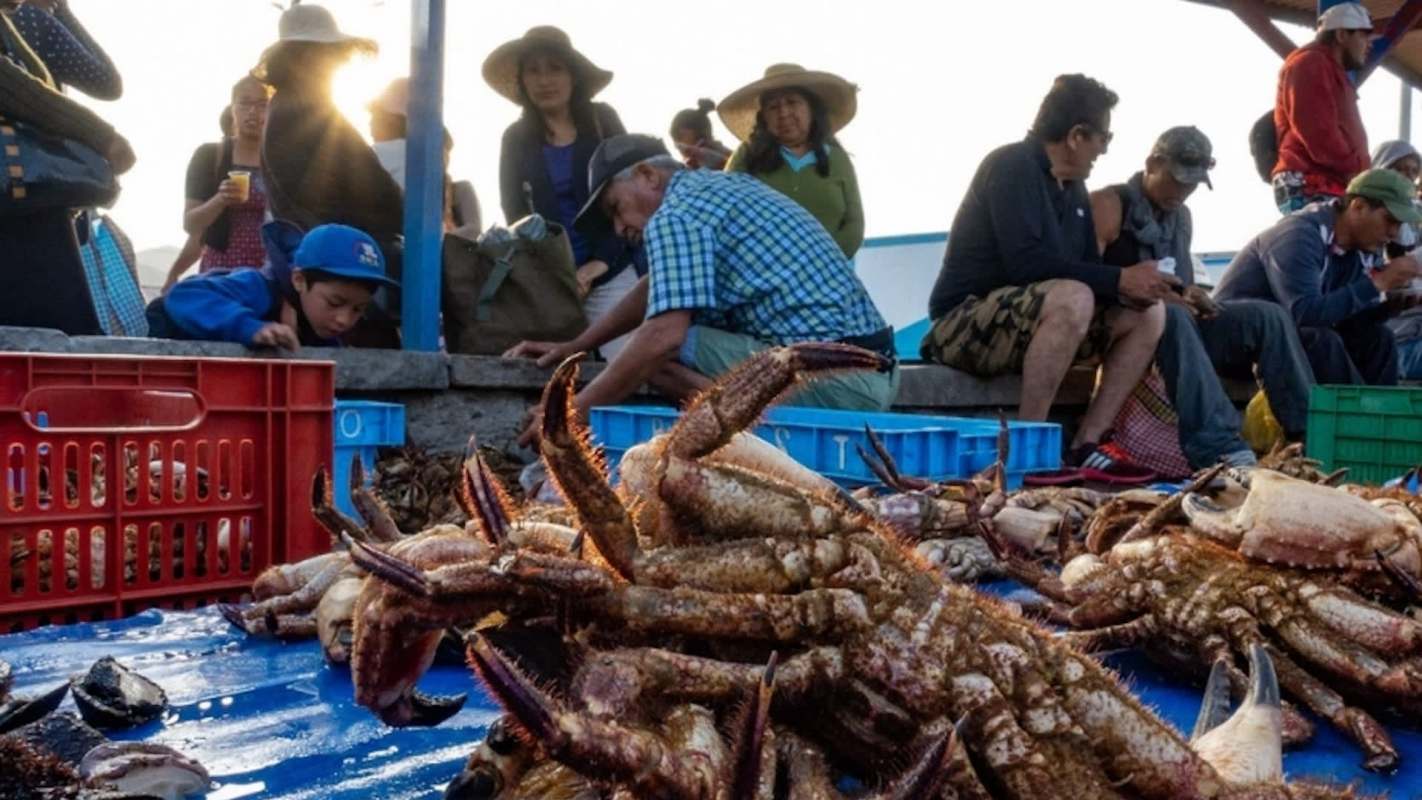
Chile is moving to strengthen protections for one of the world's most productive marine ecosystems.
The measures focus on 14 species in the Humboldt Current off South America's west coast, a region that covers just 0.1% of the ocean's surface yet provides 15% of the world's seafood and supports food supplies for millions of people.
What happened?
A recent step by Chile's fishing authority put management plans in place for 14 species using FishPath data, according to an Instagram post by The Nature Conservancy (@nature_org).
It said the effort involves scientists and local fishing communities, framing the decision as a response to rising strain on the ecosystem. The organization warned that "overfishing has pushed this extraordinary ecosystem to its limits."
The Humboldt Current supports marine life on a vast scale, and the fish it produces are closely tied to biodiversity, jobs, trade, and diets across the region and around the world. "With 70% of the world's fisheries estimated to be completely depleted and the global demand for fish growing, the stakes couldn't be higher," The Nature Conservancy added.
Why does it matter?
When fisheries decline, people often feel the effects first. Coastal communities can lose income, fishers can face unstable catches, and families may find food more expensive or harder to access. In a region as productive as the Humboldt Current, stronger fishery management can protect both livelihoods and food supplies.
TCD Picks » Quince Spotlight
💡These best-sellers from Quince deliver affordable, sustainable luxury for all




Healthy marine ecosystems are generally resilient, and protecting species from overuse can preserve the balance that supports birds, mammals, and ocean life. Preventing the collapse of a fishery is often far easier and less costly than trying to restore it after depletion.
Better data and smarter rules can strengthen food security while easing pressure on species that are being pushed too far.
What's being done?
At the core of the effort are management plans informed by FishPath data. Chile's fishing authority used that information to establish plans for the 14 species.
The Nature Conservancy said the work is moving forward "in partnership with scientists and local fishing communities." Fishers are often the first to see the effects of changing stocks and can play a major role in making management plans effective.
Conservation does not have to mean shutting people out. In many cases, it means building systems that keep ecosystems productive so communities can continue relying on them for generations.
For The Nature Conservancy, the issue is also about long-term food security. "Preserving this ecosystem means securing a future food supply for millions of people," it stated.

Get TCD's free newsletters for easy tips, smart advice, and a chance to earn $5,000 toward home upgrades. To see more stories like this one, change your Google preferences here.






