


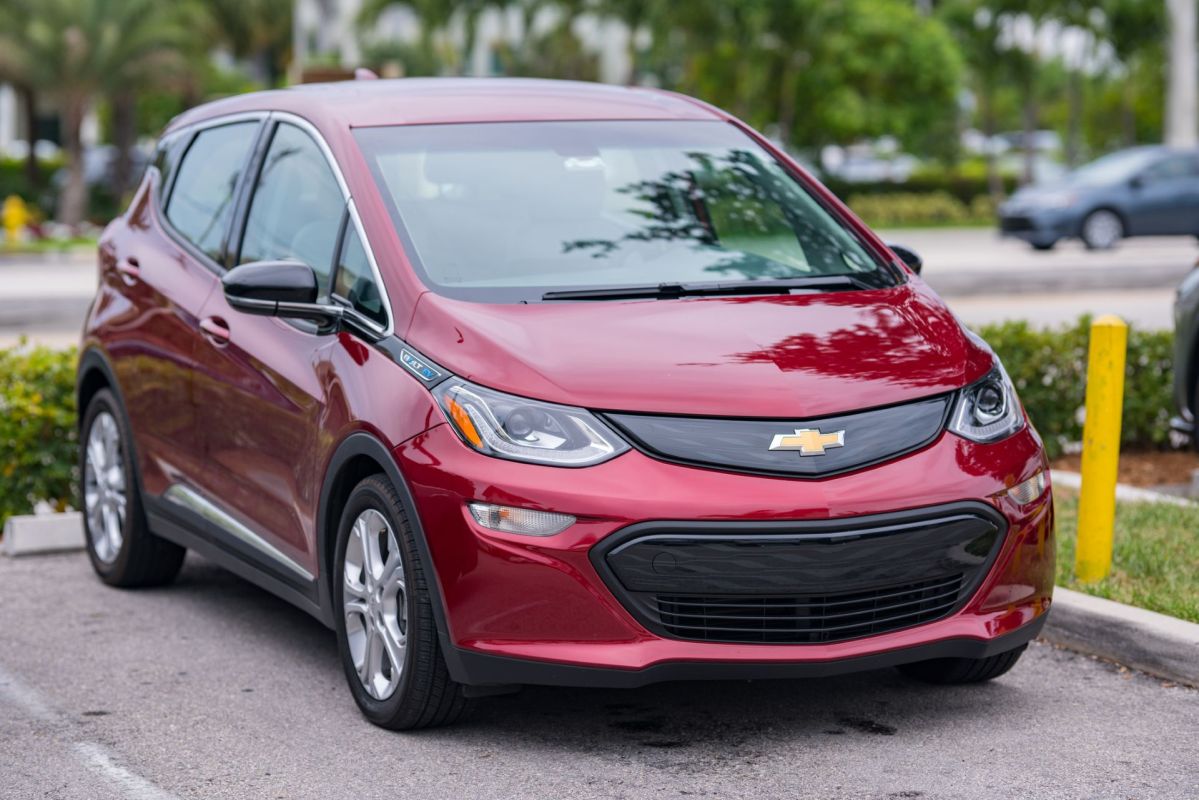
A shopper considering a used Chevy Bolt for a modest commute ran into one of the most common EV-buying questions. They took to the r/BoltEV subreddit to ask what happens on the handful of days each year when home charging could fall short.
For many Bolt owners, the answer was surprisingly simple.
Here's what to know
The biggest uncertainty in this Reddit thread wasn't the driver's usual routine but the exceptions. The poster said a used Bolt would mostly be for local trips and a 60-mile commute twice a week, with a 240-volt charger at home.
"I've been wanting to buy a used Bolt for a while now," the original poster wrote, adding that for the usual routine, it "sounds like a great car for that."
However, a few longer drives each year, including the trip between 180 and 190 miles to bring one car home after purchase, were causing concern.
The top advice was direct: "You'll still save money buying the Bolt EVEN IF YOU HAVE TO RENT AN ICE for the occasional long trip."
TCD Picks » Quince Spotlight
💡These best-sellers from Quince deliver affordable, sustainable luxury for all




The majority of posters shared that sentiment, and many suspected the trip to bring the car home might be doable on a full tank, as it was.
If most driving is short and predictable, and the EV's charged at home, it can still be a strong money-saving choice even if it's not ideal for every single scenario.
More background
This kind of tradeoff is a major part of EV adoption. Many drivers don't need a car optimized for their longest possible trip. Rather, they need one that works well and affordably for the hundreds of ordinary trips they take each year.
For a commuter with home charging, that can mean lower fueling costs, fewer gas-station stops, and reduced maintenance compared with a gas-powered vehicle. Public fast charging can be slower and more expensive than charging at home, which is why some owners see it as an occasional backup rather than the centerpiece of ownership.
"Make sure the Bolt supports DC charging," a commenter insisted. That feature could help make the occasional public charging trips more palatable. If the car didn't feature that, it was probably worth looking at the rental route.
A commenter who did a 500-plus-mile weekend trip in a rented Mazda 3 wrote: "Cost me $75 plus a tank of fuel which was probably less than the cost of DC charging honestly."
What can be done?
For shoppers in a similar position, separating everyday needs from edge cases can make the decision clearer. If the car will mostly handle commuting and around-town driving, a used Bolt may still make financial sense.
Doing some homework before purchase can also take some of the stress out of the decision. Buyers can verify that a used EV supports faster public charging while also checking likely routes, station locations, and charging networks ahead of time. That kind of planning can ease range-anxiety concerns, and a user recommended the A Better Route Planner tool for that purpose.
Another practical step is to make home charging the default whenever possible. The original poster's planned 240-volt setup would cover the regular commute efficiently, allowing the owner to start most days with a full battery and save public charging for unusual situations.
If those unusual situations still feel stressful, renting remains a realistic workaround.
Where can I learn more?
While many critics like to zero in on the limitations of EVs, experts and resourceful owners are finding ways to address some of the biggest concerns and even channel their versatility and tech as an asset.
• Across the U.S., auto experts are debunking EV myths that keep buyers worried.
• One homeowner used portable panels to cover EV charging instead of a costly solar upgrade.
• A Ford F-150 Lightning owner is using it to power a house during outages.

Get TCD's free newsletters for easy tips, smart advice, and a chance to earn $5,000 toward home upgrades. To see more stories like this one, change your Google preferences here.






