


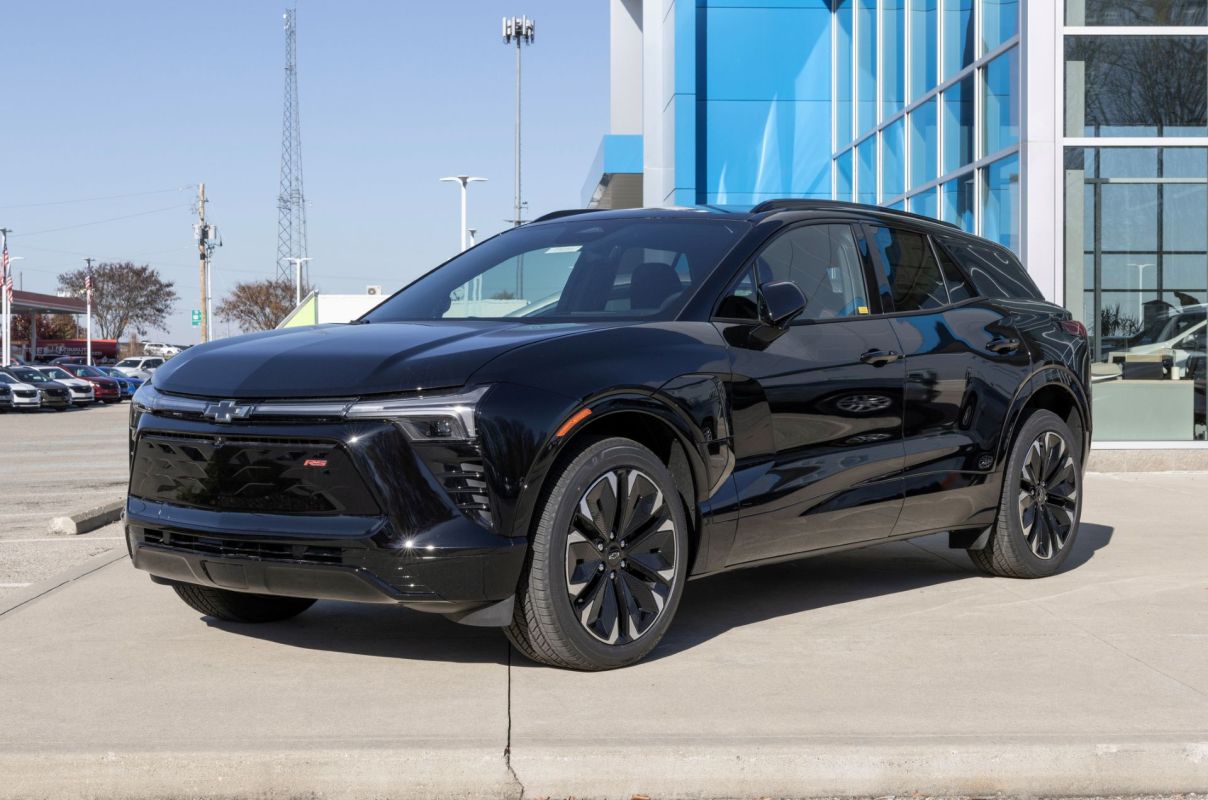
A long-term look at Chevrolet's Blazer EV suggests its appeal is all about everyday usefulness, especially for families who want a lot of space without a big lease payment.
A YouTube review highlights several of the SUV's best features and some persistent annoyances.
What's happening?
In a lease-end video from Auto Buyers Guide, content creator and Auto Buyers Guide host Alex Dykes described the Blazer EV as "one of the roomiest 2-row EVs in America that won't break the bank."
With just over 17,000 miles accumulated over two years, he said the vehicle's greatest strength remains its interior space.
He singled out the back seat in particular, saying it makes it easier to fit rear-facing child seats behind taller adults than alternatives such as the Tesla Model Y, Hyundai Ioniq 5, and Chevy's own Equinox EV.
Over the life of the lease, he averaged about 3.22 miles per kilowatt-hour, slightly below the EPA-rated 288-mile range, and he said the full two-year lease cost came to just $5,200 all-inclusive, excluding insurance.
TCD Picks » Quince Spotlight
💡These best-sellers from Quince deliver affordable, sustainable luxury for all




Other positives included ride quality, cargo capacity, and the flexibility of the display setup.
One of the main drawbacks, he said, is fast charging: the Blazer's lower-voltage battery design can make DC charging disappointing, especially at 150-kilowatt stations where real speeds may fall far short of the advertised maximum.
He also pointed to two unresolved frustrations: no Apple CarPlay or Android Auto, and a passenger-door problem that remained after three separate dealer visits.
Why does it matter?
The car that looks strongest on a spec sheet is not always the one that makes the most sense in daily life.
For many buyers, child-seat packaging, rear-seat space, and monthly payments or lease costs matter more than straight-line speed or nameplate status.
Buying an electric vehicle can reduce fuel spending and cut back on routine service needs, since EVs do not require oil changes and usually have fewer heavily worn components.
Still, software quality and road-trip charging performance remain important tradeoffs.
Seen through that lens, the Blazer EV seems to occupy a practical middle ground: easy to live with, spacious, and reasonably priced, but still carrying clear compromises.
One commenter called out something very important: "Money is a huge factor when people buy a car, and too many reviewers don't factor it enough."
Another commenter with children agreed about the child-seat space, writing: "Blazer EV is unmatched there."
What can I do?
Focusing on more than just MSRP and official range can lead to a deeper comparison.
Day-to-day ownership may be shaped by details such as second-row space, charging behavior, charge-port location, and whether the infotainment system supports the features you actually use.
One thing to note is that charging at home is often cheaper than at public stations. For drivers who want the fastest home charging, Qmerit provides free, instant installation estimates for Level 2 charger setups.
Lease incentives can also reshape the decision, particularly for larger EVs that might otherwise seem too expensive.
In this case, the Blazer EV appears to have met a specific family need by combining generous space with lower operating costs, even if owners may still wish for stronger charging performance and better phone integration.
As Alex puts it, "The big thing is that it's very comfortable." He also said, "It's cheaper."

Get TCD's free newsletters for easy tips, smart advice, and a chance to earn $5,000 toward home upgrades. To see more stories like this one, change your Google preferences here.






