


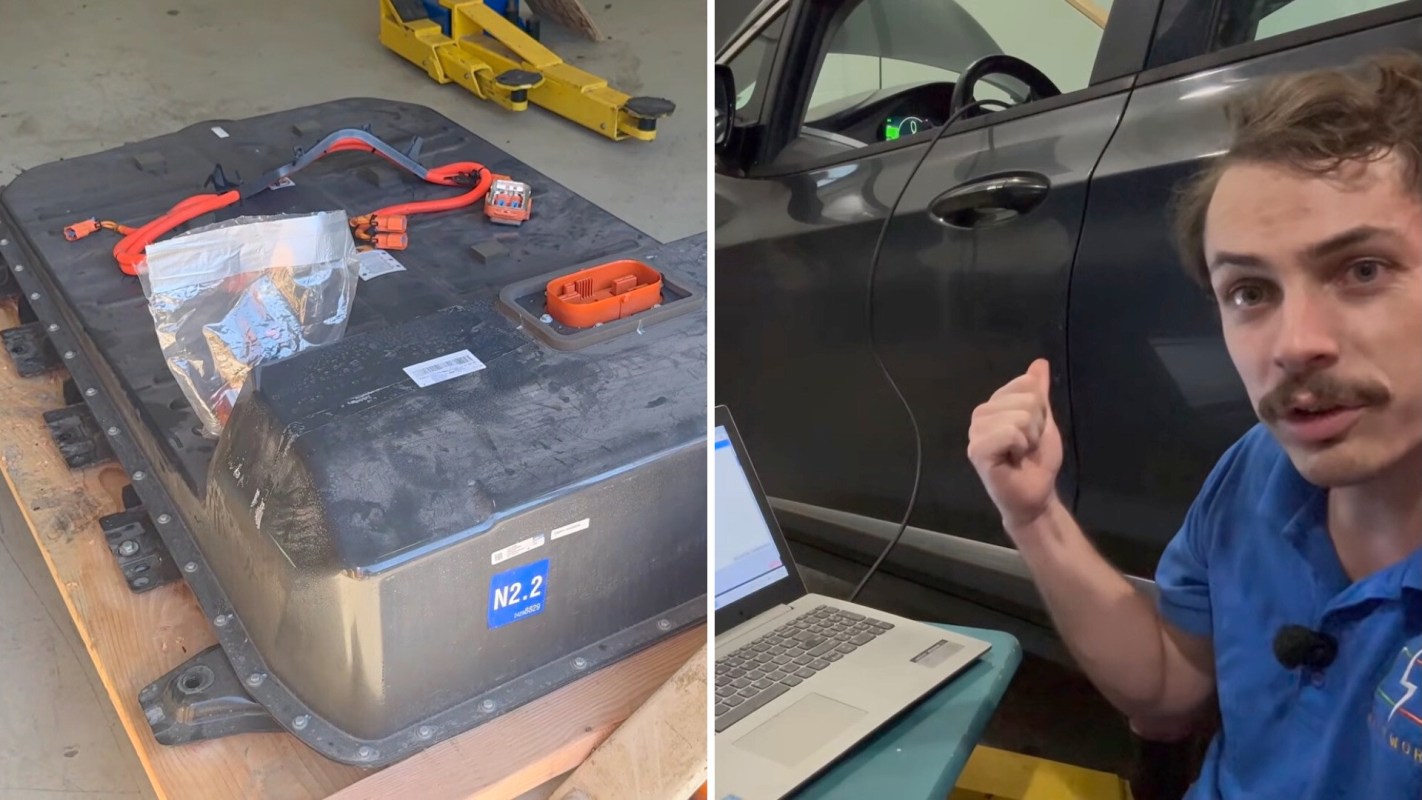
A 2019 Chevrolet Bolt EV has already covered about 471,000 miles, and it isn't headed for retirement yet, as the owner sent the hatchback back to the shop for another used battery swap.
Here's what to know
Out of Spec Renew took in the Bolt after imbalance issues in two battery modules kept the car from going into Drive. GM had already swapped the original pack under its recall program in 2022, when the odometer was at about 138,000 miles.
As InsideEVs reported, the recall replacement battery lasted more than 330,000 miles. The car has already covered nearly half a million miles and remains repairable.
Even though the original Bolt EV battery recall hurt GM's image, the car still built a dedicated owner base. This example shows the car's longevity and loyalty in action, with an owner choosing to repair it instead of giving up and buying a new vehicle. An example for other owners who may be able to stretch their transportation budgets much further.
More background
Technicians first made the car safe by disconnecting the 12-volt battery and removing the high-voltage service plug. After that, they raised the vehicle, worked through about a dozen fasteners, several electrical connections, and two coolant lines, then dropped the old pack and installed the replacement.
Once the new pack was in place, the team still needed to purge air from the cooling system and program the battery. From the video, the software portion seemed to take longer than the physical installation. The whole procedure took about four and a half hours. Less time in the shop means less time arranging alternate transportation, missing work, or paying for a rental car.
TCD Picks » Quince Spotlight
💡These best-sellers from Quince deliver affordable, sustainable luxury for all




Compared with replacing an internal-combustion engine, the job appeared far tidier. That could make major repairs on high-mileage EVs feel less intimidating for owners who want to keep an older car running.
What's being done?
Rather than fit a new unit, Out of Spec Renew installed a used pack from another vehicle with an estimated 15,000 miles on it — a more affordable path for drivers who need a major repair but do not want to take on a new car payment.
The shop charged about $1,800 for the replacement pack. For a typical customer, InsideEVs estimated a solid used pack at roughly $2,500 to $3,000, plus about $800 to $1,000 in labor.
Those figures compare favorably with many combustion-engine car repairs. A gas-engine swap usually runs $2,000 to $10,000, depending on the engine and the labor required.
That kind of repair math can translate into real savings and less downtime. Instead of scrapping a vehicle after one major failure, a battery swap can keep a proven car in service and spread ownership costs across hundreds of thousands more miles, like this Bolt owner.

Get TCD's free newsletters for easy tips, smart advice, and a chance to earn $5,000 toward home upgrades. To see more stories like this one, change your Google preferences here.






