


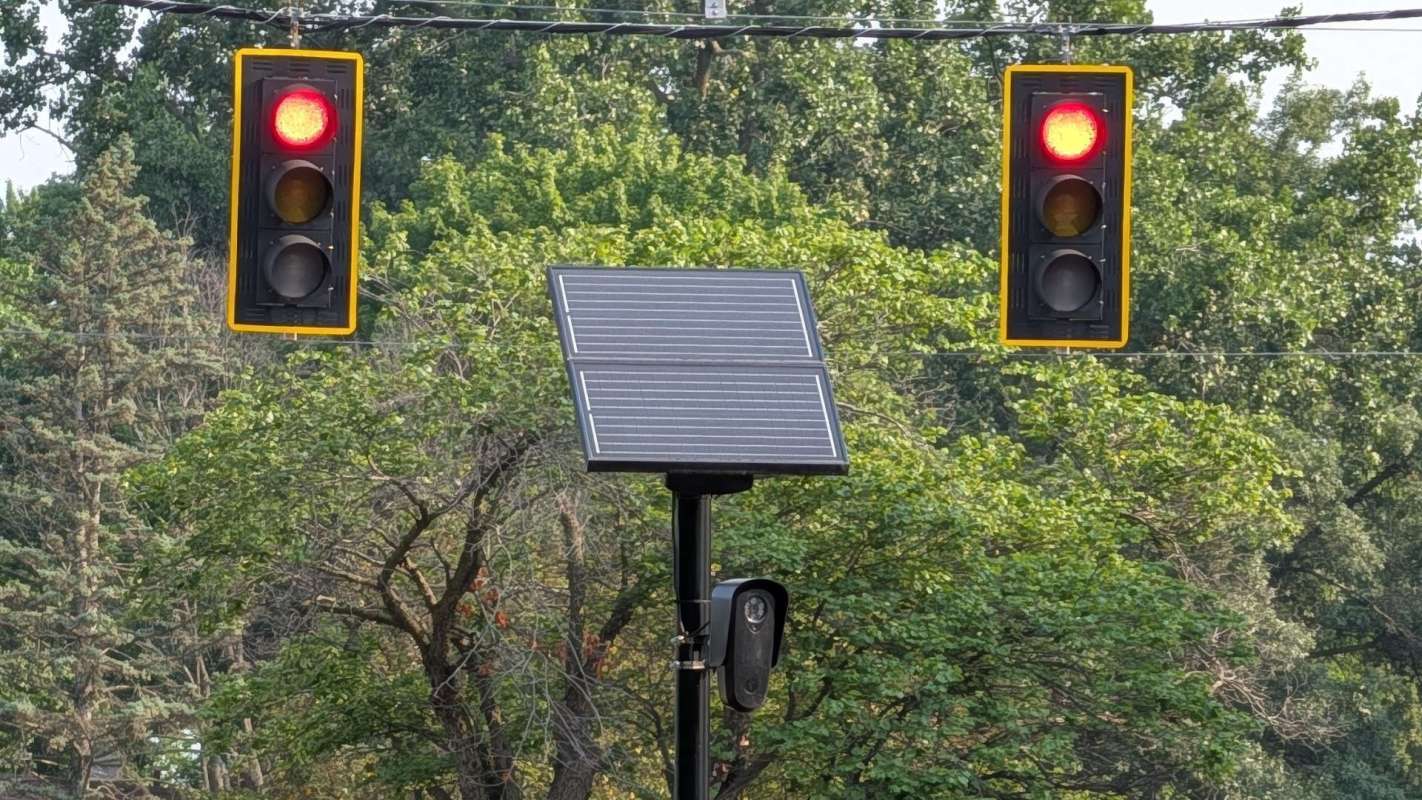
In Chetek, Wisconsin, an undisclosed surveillance camera deal has shaken confidence in local authorities.
Here's what to know
Flock sells surveillance cameras, but these systems have also drawn scrutiny in communities across the country because they can create a detailed record of where cars have traveled.
At a city meeting, Police Chief Ron Ambrozaitis defended authorizing a contract with Flock in Chetek without notifying the public, arguing that he couldn't do his job without them.
More Perfect Union (@perfectunion) shared a clip of the meeting on Instagram.
According to that report and KARE 11, Ambrozaitis had two Flock cameras installed before residents were notified. He reportedly received death threats.
"The next time grandma's missing or your car got stolen, or you're missing money, I can't help you," Ambrozaitis says in the clip.
TCD Picks » Quince Spotlight
💡These best-sellers from Quince deliver affordable, sustainable luxury for all




He also suggested that "I oughta do background checks on half the people who made comments" criticizing the lack of transparency. His remarks drew intense backlash, though it's at least possible he intended to refer to those who made threats.
"He's using his position by threatening retaliation? Also, not sure how the lack of two cameras would impede his investigation into crimes. Investigate harder," one commenter said.
The backlash was so intense that the City of Chetek had to take down its Facebook page.
More background
Cameras that track vehicle movement may be presented as limited tools, yet they can still leave neighbors wondering who is being watched, how long data is being stored, and whether any oversight exists if the system expands.
For many residents, the issue also goes beyond the surveillance system. It was that the cameras were put in place before the public had a chance to weigh in.
When public officials or authorities introduce surveillance technology without clear notice, it can undermine confidence that they are acting with the community's overall net best interests rather than working around it.
Trust is a key part of public safety. Residents are generally more likely to cooperate with police, attend meetings, and support local solutions when they believe decisions are transparent and their concerns are being taken seriously.
What can be done?
Public hearings, written policies outlining when cameras can be used, and firm rules on how long collected data is retained and who can access it are among the clearest oversight measures.
Oversight can also include regular public reporting, independent audits, and city or town board approval for future contracts, rather than allowing major decisions to unfold out of public view.
The Chetek dispute shows how quickly trust can fray.

Get TCD's free newsletters for easy tips, smart advice, and a chance to earn $5,000 toward home upgrades. To see more stories like this one, change your Google preferences here.







