


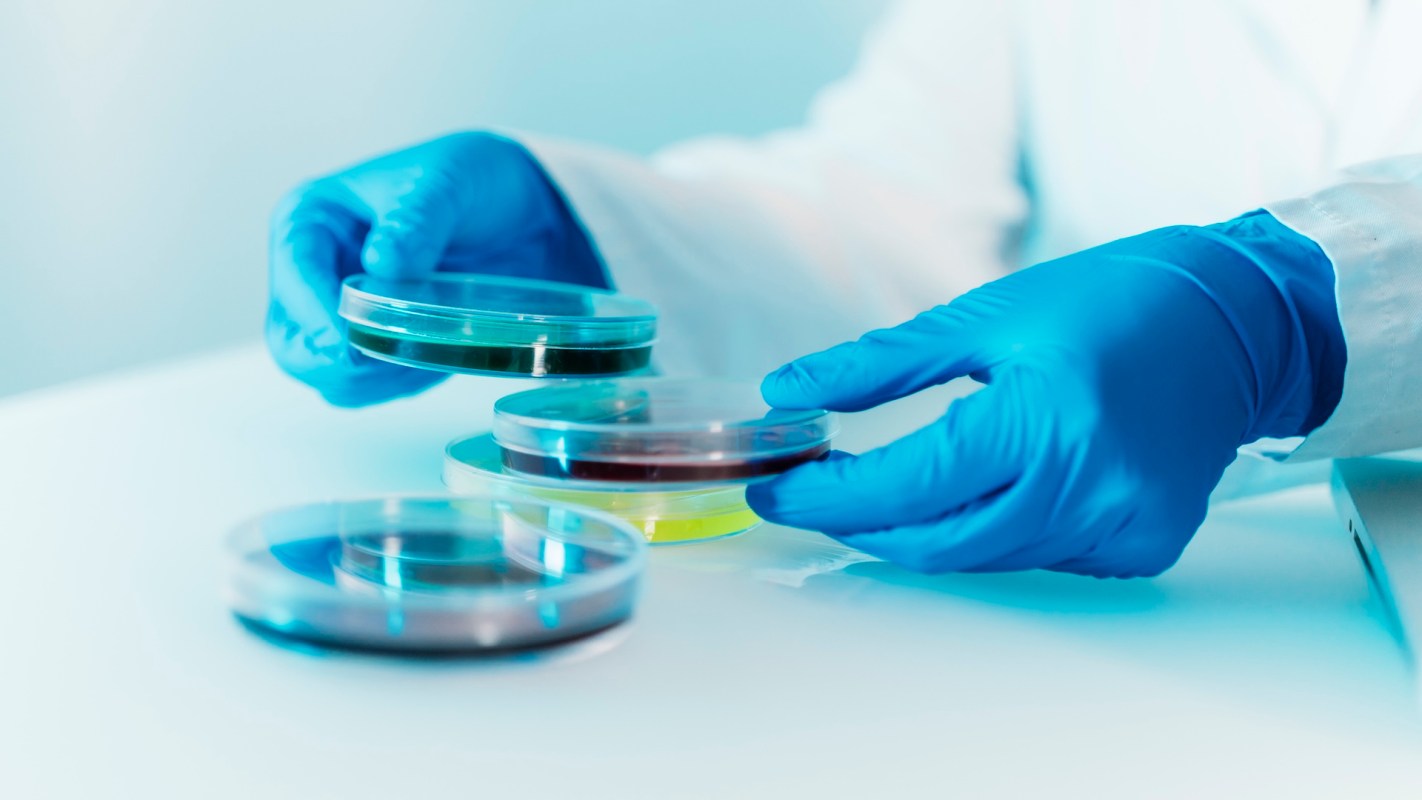
A newly identified protein may eventually let chemotherapy hit tumors harder without causing as much damage to healthy cells.
The finding is still early, but researchers say it points to a potential path for reducing some of cancer treatment's most serious side effects.
What's happening?
According to Mirage News, researchers at the University of Sheffield and UT Southwestern Medical Center examined TOP2 poisons, a category of chemotherapy drugs used against fast-dividing cancer cells.
These drugs interfere with enzymes that cells need in order to keep dividing, causing major DNA damage that ultimately kills them.
That effect is not limited to tumors. Non-dividing healthy cells, including neurons in the brain and cardiomyocytes in the heart, also use these enzymes, which puts them at risk of injury.
In the study, published in Molecular Cell, the researchers identified the stress-response protein HSF1 as a selective factor that seems to influence TOP2B but not TOP2A.
TCD Picks » Quince Spotlight
💡These best-sellers from Quince deliver affordable, sustainable luxury for all




Because rapidly dividing cancer cells use both enzyme forms, while some healthy cells depend mostly on TOP2B, this difference could suggest a safer way to use the treatment.
Using atomic force microscopy, the team directly observed the proteins interacting with DNA.
Dr. Thomas Catley, postdoctoral research associate at the University of Sheffield's School of Chemical, Materials and Biological Engineering, said: "It is incredible to be able to see how these proteins cling to DNA with nanometre precision."
Why does it matter?
More effective cancer treatment with fewer lasting tradeoffs could reduce damage to the heart, brain, and other healthy tissue, which can affect quality of life after treatment ends.
TCD Picks » Quince Spotlight
💡These best-sellers from Quince deliver affordable, sustainable luxury for all
The finding raises the possibility of reducing treatment-related harm, especially in cells the body cannot easily replace. If researchers can better separate cancer-killing effects from healthy-cell toxicity, it could improve both survival and recovery.
This was an in vitro study using cells extracted from mice, not a human clinical trial. That means the results are promising, but patients should not expect immediate changes to chemotherapy protocols.
The research reflects a broader shift in medicine toward more precise therapies that cause less collateral damage.
What's being done?
The researchers plan to next determine whether combining TOP2 chemotherapy with HSF1 inhibition can protect healthy tissue without weakening the drugs' anti-cancer effect.
In lab experiments, adding an HSF1 inhibitor greatly reduced toxicity in healthy, non-dividing cells while preserving the treatment's ability to attack tumors.
Ram Madabhushi, associate professor at UT Southwestern who led the research, said the finding suggests cells "preferentially regulate TOP2B over TOP2A in this manner."
The work remains a research pathway rather than a finished therapy. Scientists still need animal data and, eventually, human trials to determine whether the strategy is both safe and effective.
"From this, we hope to discover new ways of treating cancer effectively," Catley said.
Madabhushi added, "We are currently testing whether combination therapy with HSF1 inhibitors can protect mice from the secondary toxicity of chemotherapy with TOP2 poisons."

Get TCD's free newsletters for easy tips, smart advice, and a chance to earn $5,000 toward home upgrades. To see more stories like this one, change your Google preferences here.







