


Industry figures cited by Geneva Solutions indicate that most of the 40,000-60,000 chemicals on the market have not undergone safety testing. As governments gather in Geneva for a United Nations chemicals meeting, they face pressure to address pollution that leaves the public bearing much of the cost of health damages and cleanup.
Here's what to know
Governments, industry, academia, and civil society will be represented among roughly 1,000 participants reviewing the Global Framework on Chemicals, Geneva Solutions reported.
The agreement sets out 28 targets that countries are not legally bound to meet. It was adopted as a voluntary framework in Bonn, Germany, in 2023.
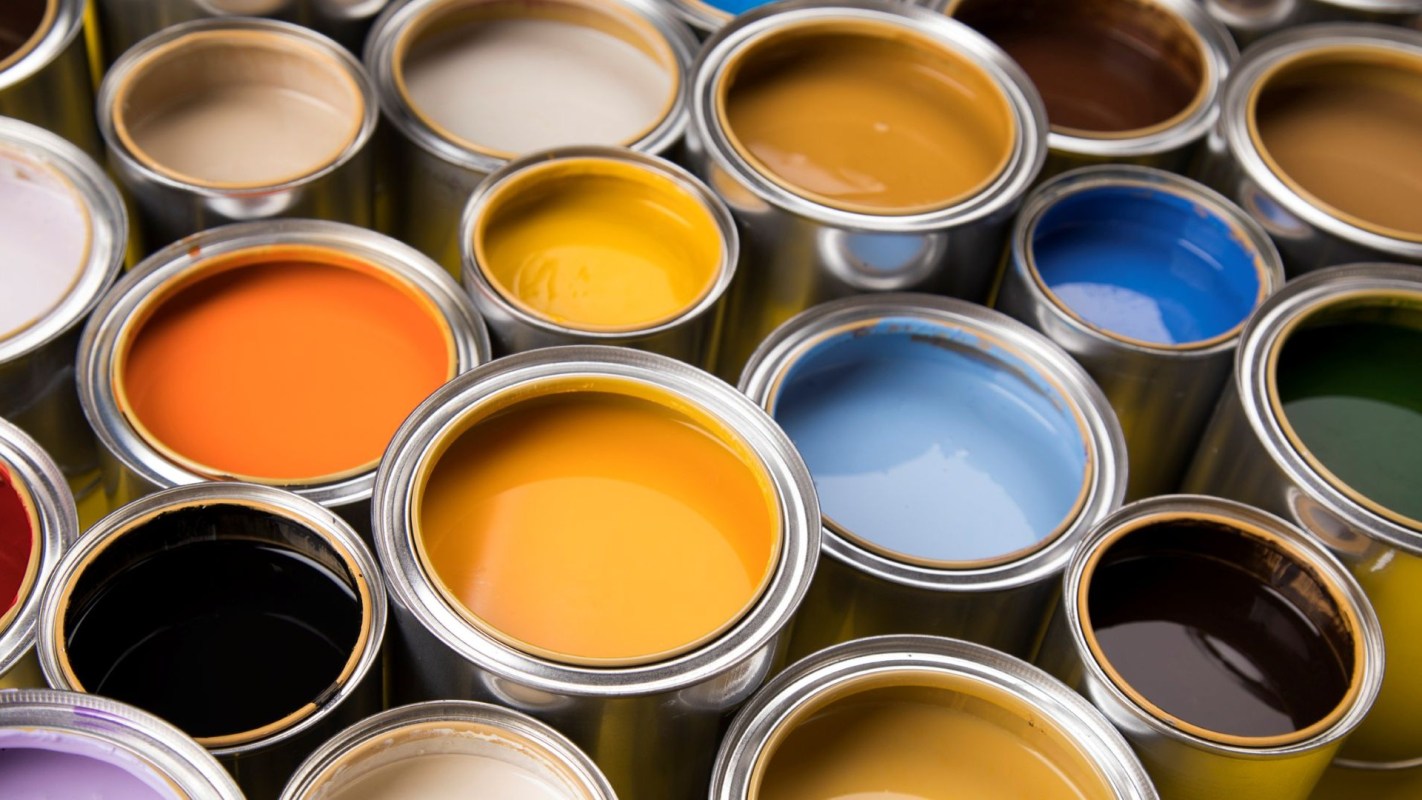
The agenda includes funding, implementation, and ways to measure progress with chemical production projected to double by 2030. Highly hazardous pesticides, lead in paint, and PFAS "forever chemicals" are priorities.
PFAS used in cookware and clothing have been linked to endocrine disruption. Exposure to lead paint can impair cognitive development.
Safer alternatives can compete, Sheila Aggarwal-Khan, who directs the U.N. Environment Programme division overseeing safer practices in chemicals, industry, and finance, told Geneva Solutions.
TCD Picks » Quince Spotlight
💡These best-sellers from Quince deliver affordable, sustainable luxury for all




More background
A 2023 World Bank-backed study put the annual worldwide cost of lead exposure at roughly $6 trillion. Meanwhile, a European Commission analysis estimated that continued PFAS use would generate €440 billion in health damages and cleanup costs by 2050.
The U.S. Environmental Protection Agency has begun rolling back PFAS drinking-water limits, while negotiations over a broad European Union PFAS restriction have slowed amid industry lobbying for exemptions.
Aggarwal-Khan warned that overlooking those expenses creates a long-term economic burden.
"Who bears the cost of that? Society and governments," she said, per Geneva Solutions.
What's being done?
The framework calls for a phase-out of highly hazardous pesticides by 2035, and a U.N.-led alliance is scheduled to begin work at the conference to support that effort, according to Geneva Solutions.
Developing countries can also seek support through the Global Environment Facility and a dedicated chemicals-framework fund.
Managed by UNEP, the fund has secured initial pledges totaling $28 million, with Germany providing over $20 million, Geneva Solutions reported. The selected projects number 13 and span 23 countries.
The International Council for Chemical Associations contributed $1.5 million and received a board seat, while civil society groups are calling for more inclusive membership. Conference participants will discuss the fund's terms, Geneva Solutions noted.
Aggarwal-Khan supports combining tax incentives, producer responsibility fees, and firm deadlines for bans to encourage safer products. Companies and research bodies are already developing green chemicals tested for safety before release, she said.
Aggarwal-Khan pointed to younger people's concern about product ingredients as another source of pressure.
"So, even if governments roll back, consumer demands are already shifting the market," she said, per Geneva Solutions.

Get TCD's free newsletters for easy tips, smart advice, and a chance to earn $5,000 toward home upgrades. To see more stories like this one, change your Google preferences here.






