


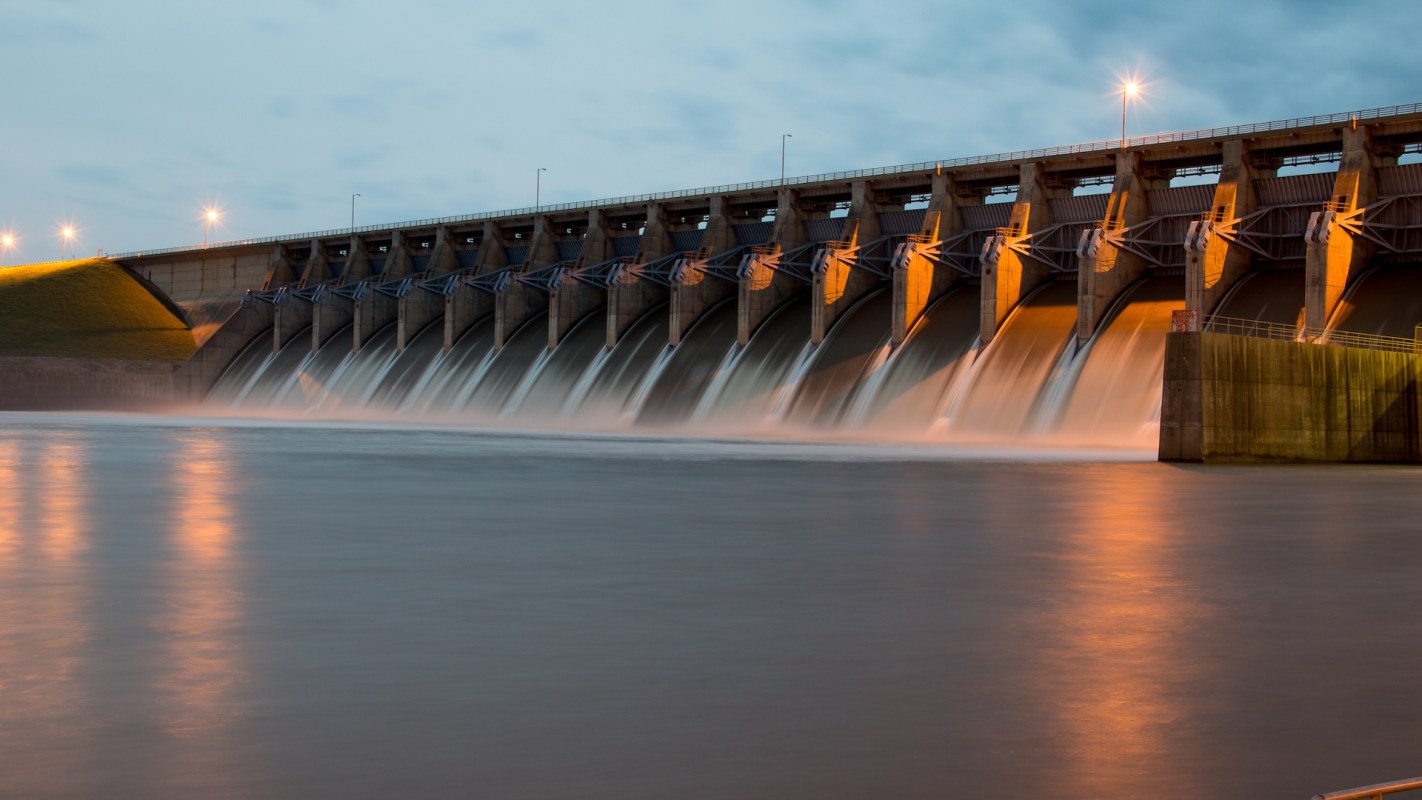
A fight over shrinking water levels at Cedar Lake, an Oklahoma lake about 45 miles west of Oklahoma City, is escalating after the Oklahoma Water Resources Board said two upstream dams are not responsible for the drop.
Residents say their wells have run dry, and an independent hydrologist argues the science suggests otherwise.
Here's what to know
According to a 69-page Oklahoma Water Resources Board report cited by Oklahoma Voice, lower water levels at Cedar Lake, about 45 miles west of Oklahoma City, are more likely tied to declining aquifer levels and residents' domestic wells than to the two dams upstream.
The findings come as the agency faces growing scrutiny over its handling of a yearlong dispute involving two unpermitted dams above the nearly 400-person Cedar Lake community. Residents contend that one dam, built in 2019 on a tributary flowing into Cedar Lake, has steadily reduced inflow, lowering the lake and contributing to wells running dry.
In the report, the agency said drought-related evaporation should outpace streamflow and runoff, and it concluded the lake would stay low even if the smaller upstream dams did not exist.
Carol Becker, an independent hydrologist with about 35 years of experience in water quality and resource management, challenged key parts of that analysis. She said the board appears to have relied on wells from a different watershed and described stream gauges in a way that conflicts with how the report estimated inflow.
TCD Picks » Quince Spotlight
💡These best-sellers from Quince deliver affordable, sustainable luxury for all




More background
After residents sought an outside review, Becker examined Cedar Lake and concluded that the two upstream dams are capturing nearly 40% of the watershed runoff that would otherwise help refill the lake.
Cedar Lake helps recharge the aquifer beneath it, and that aquifer supplies the domestic wells residents rely on. Becker said factors like household water use, changes in the surrounding land, and weather patterns can play a role, but in her view, the dams outweigh them in this case.
"The evidence shows that they have little to no measurable effect compared with the dam impoundments, which remain the primary cause of declining water levels in the watershed," according to Becker's report.
For residents, the dispute is deeply personal. Don Machacek, who has owned property at Cedar Lake for about four years, said problems with both lake levels and wells began only after the dams were built, and he dismissed the water board's report as "laughable" rather than being grounded in facts or science.
What's being done?
As Oklahoma Voice reported, the Oklahoma Water Resources Board did not respond to a request to make the report's writer, or anyone who knew its contents, available for an interview, and the document identifies no author.
Residents also suspect politics may be shaping the agency's response. They have questioned whether the board has been hesitant to force the dams' removal or require water to be released because the property is tied to V. Glenn Coffee, a former state senator and former Oklahoma Secretary of State who now advises the State Senate Republican Caucus on legal matters.
At a July board meeting, residents objected as the governing body weighed an agreement that would let the dams remain while Coffee pursued a permit. After that heated pushback, the board pushed off the consent order to its September 15 meeting.
To residents, the fight has become about more than a single lake. They see it as a test of whether ordinary people get the same protections as the powerful.
"If it was anyone else… just the common man off the streets, rancher, farmer, what not, those dams would have been taken down," Machacek said.
Where can I learn more?
Questions about how dams affect waterways often come down to dueling interpretations of the science, much like the fight over Cedar Lake's inflow and groundwater recharge. These stories from the Snake River, Pennsylvania, and northern Europe show how dam removal and restoration can quickly change river habitat, fish populations, and downstream conditions.
• On the Snake River, historic dam removal is expected to revive salmon habitat downstream.
• In Pennsylvania's Allegheny County, knocking down dams triggered surprising changes in fish and rivers.
• In northern Europe, restoration reshaped the ecosystem around Ollooki Dam faster than experts expected.
Those cases help show why Cedar Lake residents want a clearer accounting of what the dams upstream are doing. They also underscore how even relatively small barriers can shape downstream conditions in ways communities feel firsthand.

Get TCD's free newsletters for easy tips, smart advice, and a chance to earn $5,000 toward home upgrades. To see more stories like this one, change your Google preferences here.






