


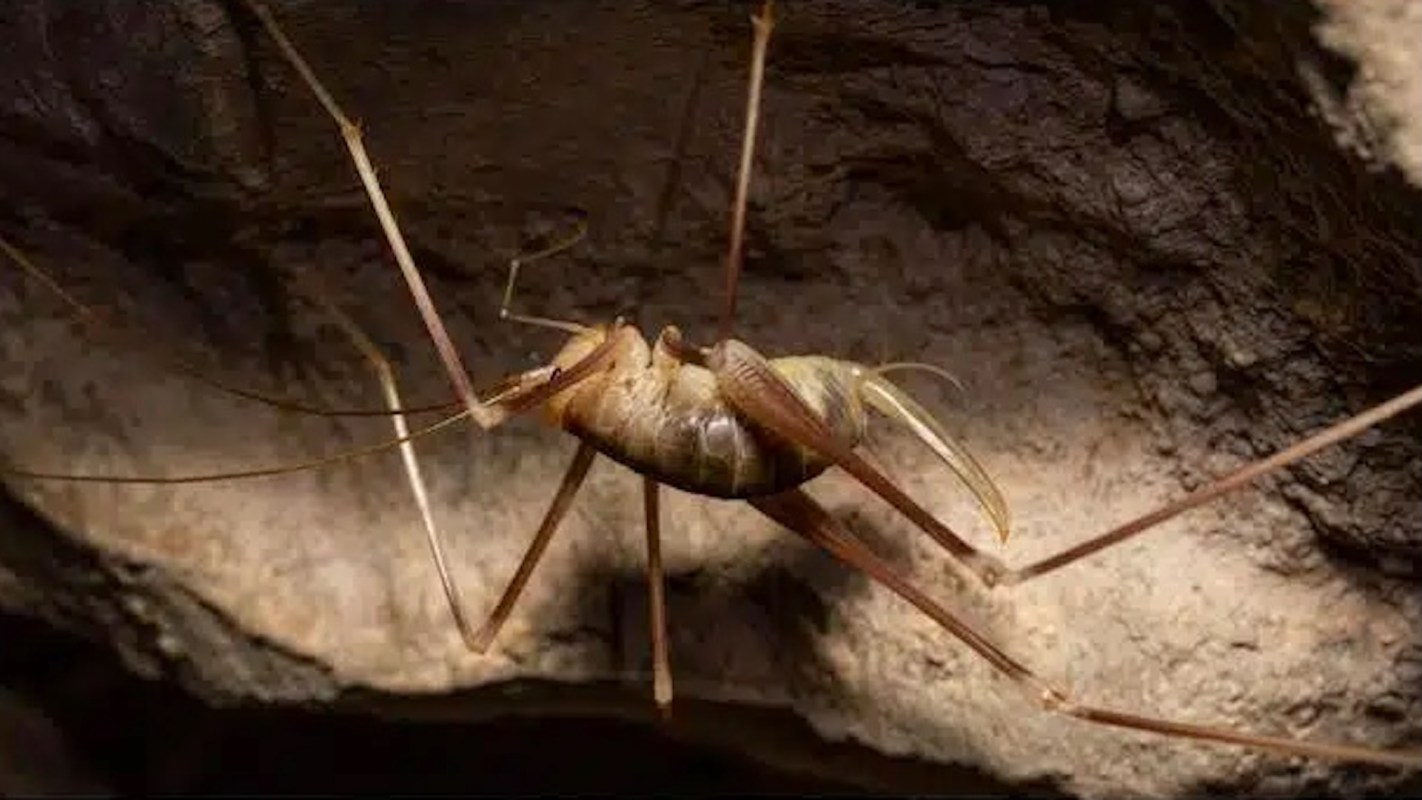
Unexpected biodiversity finds do not always come from distant rainforests or the seafloor; they can also emerge from underground spaces beneath a small Mediterranean island.
On Kastellorizo, a Greek island covering about 9 square kilometers, researchers identified a previously unknown cave cricket living below the surface and named it after the Balrog, one of fantasy's most feared creatures.
What happened?
Daily Galaxy reported that Greek entomologists made the discovery in an artificial tunnel on Mount Vigla.
Close study of the animal's form and DNA showed that it was a species not previously recorded by science.
Researchers chose the name Dolichopoda balrogi, linking the insect to J.R.R. Tolkien's Balrog because of the subterranean setting where it was found.
The comparison comes from Tolkien's tale of a creature awakened when miners dig too deep; in this case, scientists found the cricket in a man-made underground passage.
TCD Picks » Quince Spotlight
💡These best-sellers from Quince deliver affordable, sustainable luxury for all




More than 25 meters beneath the ground, several individuals were seen attached to rocky walls. Because the group included adult males, adult females, and juveniles, researchers concluded that the crickets represent an established population rather than a few wandering individuals.
About 16.2 millimeters long, the small brown cricket raises the recognized number of Dolichopoda species to 68. The genus is especially diverse in Greece and across the Aegean region.
Why does it matter?
Although Kastellorizo is a small island, its caves and underground environments are hard to reach and have not been thoroughly explored.
The more scientists understand about where unique animals live, the better communities and decision-makers can weigh development, tourism, and land management against the need to preserve fragile ecosystems.
Nature's diversity is not confined to distant, untouched wilderness. It can persist near built structures, within everyday settings, and in areas reshaped by digging or settlement.
When researchers uncover overlooked species, they help build a fuller picture of how ecosystems function, and that knowledge can support healthier environments for people as well as wildlife.
What's being done?
To verify that this population was distinct, researchers examined both the crickets' physical characteristics and their genetic data.
Finding juveniles alongside adult males and females indicates that the species is established in the area, not merely passing through. That gives future researchers a stronger foundation for studying its habitat, behavior, and conservation needs.
The finding adds to the case for more biodiversity surveys in understudied places such as caves and other difficult-to-access environments. It also underscores that even very small islands may contain species found nowhere else.
As lead researcher Konstantinos Kalaentzis put it: "These findings remind us that biodiversity discoveries are not limited to remote tropical forests or deep oceans. Even familiar landscapes and human-made structures can harbor species that have remained unnoticed."

Get TCD's free newsletters for easy tips, smart advice, and a chance to earn $5,000 toward home upgrades. To see more stories like this one, change your Google preferences here.






