


Cave Creek, Arizona, is employing measures many drought-hit places hope to avoid, from reactivating unused wells to slowing development and striking new water deals.
But local officials say the town could still be exposed if additional Colorado River cuts arrive.
Here's what to know
Because nearly all its water comes from the shrinking Colorado River, Cave Creek near Phoenix is planning for more severe shortages.
One reason for Mayor Robert Morris's concern, he told The Independent, is that the federal strategy for the river basin would do nothing for Cave Creek. He said that means the town could still be at risk despite the aggressive measures it has already taken.
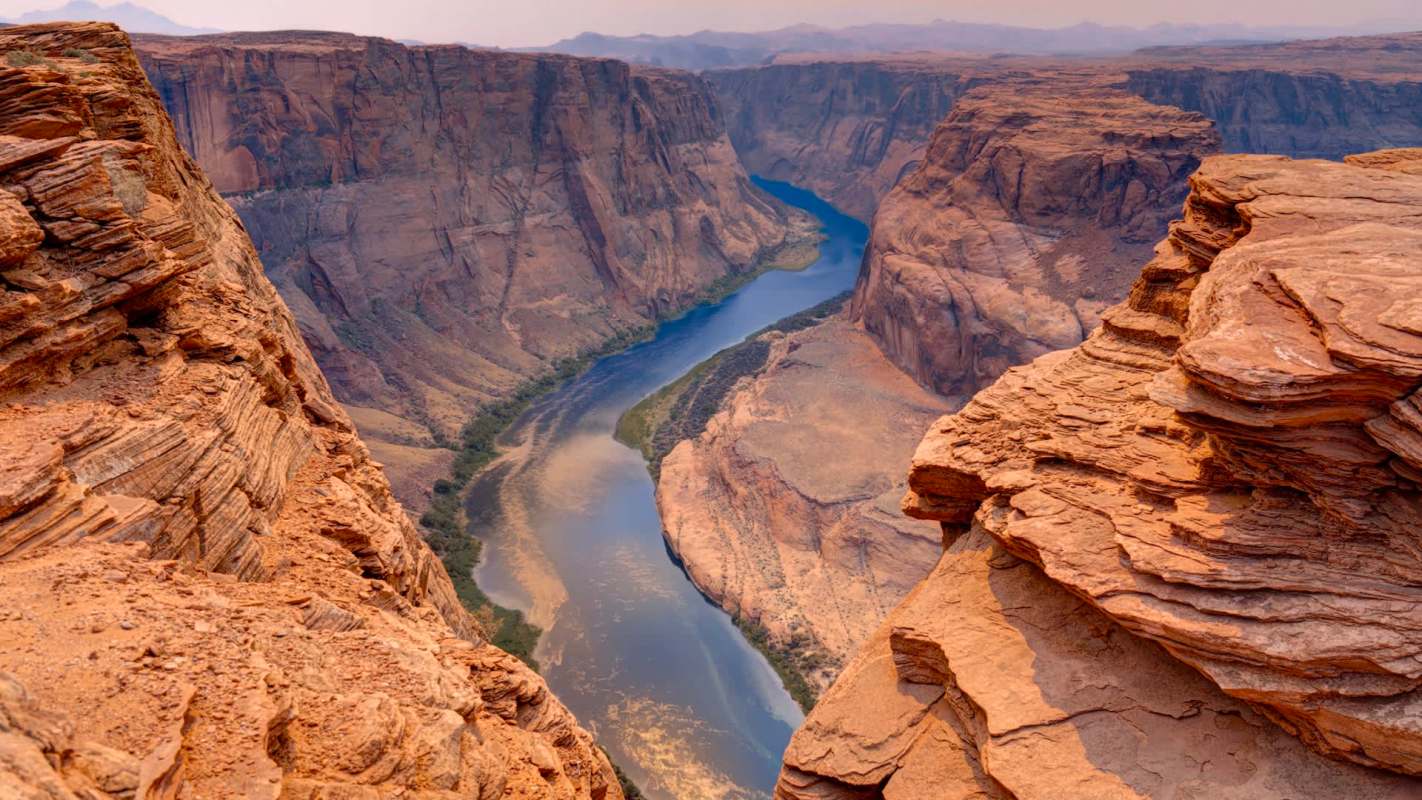
Cave Creek has already been required to reduce consumption, and the federal proposal could take still more water away. That threat sits within a larger crisis on the Colorado River, which supports around 40 million people in the West but has been diminished by rising temperatures, intense demand, and overuse.
The risk extends beyond Cave Creek. Nevada is suing the Department of the Interior and Bureau of Reclamation over the proposed cuts, saying essential water needs around Las Vegas may be at stake. "The uncertainty is going to continue to build in the wrong direction," Tom Buschatzke, the Arizona Department of Water Resources director, said, per The Independent.
TCD Picks » Quince Spotlight
💡These best-sellers from Quince deliver affordable, sustainable luxury for all




More background
What is happening in Cave Creek reflects much wider damage to Western water supplies. Lake Mead and Lake Powell have each fallen to record lows, and several other Bureau of Reclamation reservoirs are at their lowest points in at least 30 years.
With snowpack at record lows, far less water is available to replenish reservoirs, aquifers, and other water supplies. The Bureau of Reclamation plan calls for Arizona, California, and Nevada to cut a combined 1.25 million acre-feet each year — an amount The Independent likened to filling more than 600,000 Olympic-size swimming pools.
Phoenix may have to rely on backup supplies if its municipal and industrial water is cut. Water bills for residents could also rise.
Agriculture is under pressure as well, forcing farmers into choices that could later show up in grocery aisles and food prices. "There's no food that we grow in a hurry. Beef takes years to produce. The lettuce you eat today? A farmer was working on how they would grow that crop six-plus months ago," John Boelts, president of the Arizona Farm Bureau, told The Independent.
What's being done?
The town has tried to stretch supplies by bringing old wells back into service, curbing new development, and reaching new water agreements.
Other communities are taking precautions too, including lining up backup supplies and trying to lower demand before required reductions intensify. Farmers and tribal communities are also giving up water. Ray Martinez, who farms on a reservation of the Colorado River Indian Tribes, said he has left some fields unplanted for years in an effort to support Lake Mead.
Some states in the Upper Basin do not face mandatory cuts, though they could choose to use less water voluntarily. But even wetter weather would not undo decades of drought.
"You can see it coming, but you can't get out of the way and you don't know what the damage is going to be," Morris said.
Where can I learn more?
Cave Creek's squeeze is part of a much bigger fight over Colorado River cuts and Arizona's water future. The articles below cover state officials' warnings about federal plans, a private water-rights deal that sparked alarm, and how other Arizona communities are dealing with conservation pressure.
• Arizona officials say federal water management plans could leave communities facing devastating Colorado River losses.
• With snowpack falling to record lows in western Colorado and other parts of the region, stock ponds, springs, and creeks are no longer providing the water they once did, leaving ranchers to haul water for cattle by truck.
• In Big Chino Valley, groups are working to protect water, wildlife, and grasslands together.

Get TCD's free newsletters for easy tips, smart advice, and a chance to earn $5,000 toward home upgrades. To see more stories like this one, change your Google preferences here.






