


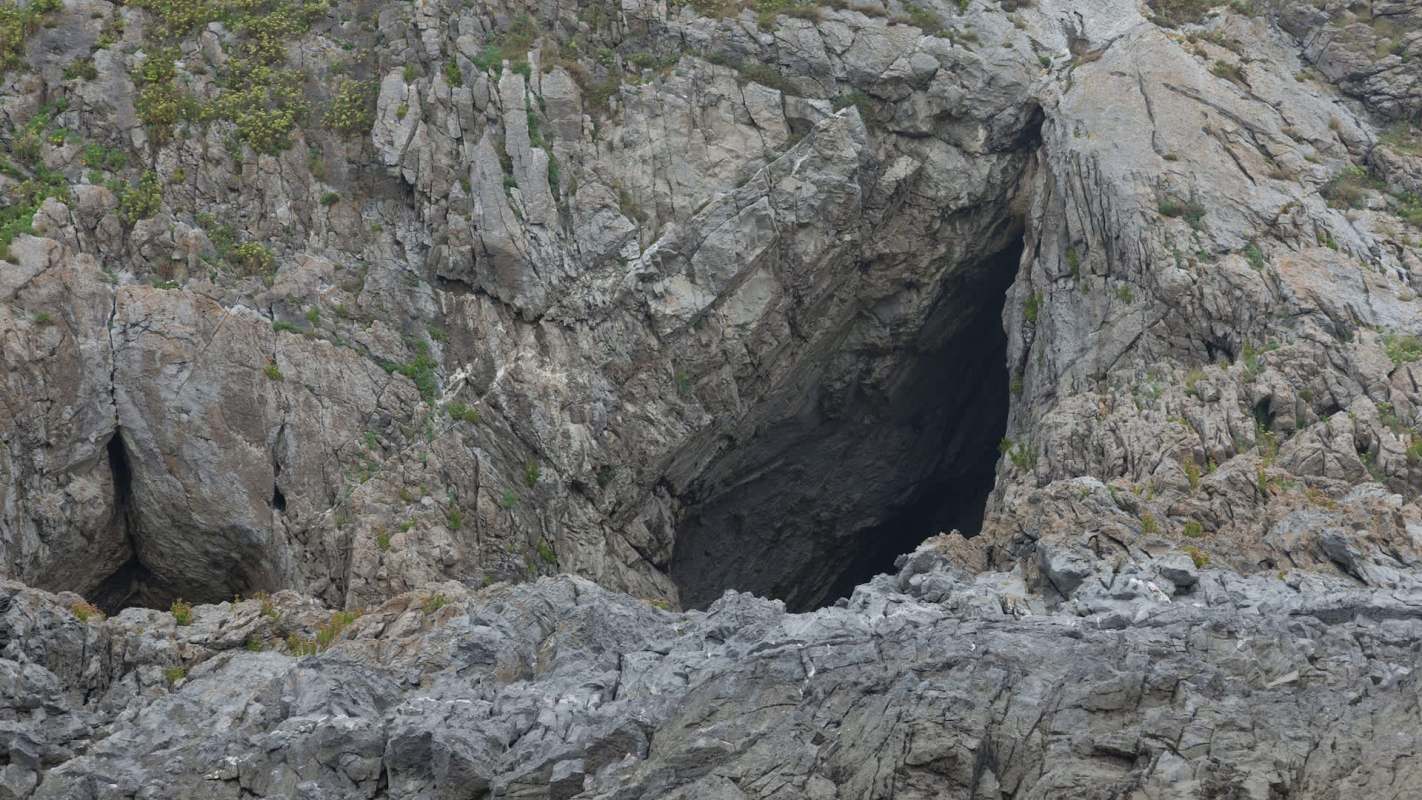
For nearly a century, a series of red stripes inside a cave in Wales was dismissed as little more than a natural stain. Now, researchers say those mysterious markings are actually Britain's oldest known cave art — dating back about 17,100 years.
The discovery is bringing attention to Bacon Hole, a cave near the Mumbles in South Wales.
A study cited by The Telegraph found that 10 horizontal red bands are not simply mineral seepage, as many scientists believed for decades. Instead, researchers concluded that the markings are deliberate rock art from the Upper Paleolithic, created as Wales emerged from a harsh Ice Age cold spell.
The stripes were identified as a cave painting in 1912 by professors William Sollas and Henri Breuil, but their idea was rejected in 1928. At the time, scientists argued that the red streaks were caused by red oxide bleeding through the rock.
Using advanced tools, this research team re-examined the markings and found evidence of a human-made pigment mixture, including calcite and clay residues. George Nash of the University of Liverpool, who led the study, said uranium-thorium dating established the age of the art. He told The Guardian, "This is the earliest prehistoric art we have in Britain," adding that the marks date back 17,100 years.
The finding shifts Britain's archaeological timeline. What was once dismissed as a geological quirk now appears to be one of the clearest examples that Ice Age people in Britain were creating art much earlier than experts previously confirmed.
TCD Picks » Quince Spotlight
💡These best-sellers from Quince deliver affordable, sustainable luxury for all




The research reopens a debate that once seemed settled. Scientists in the early 20th century simply did not have the tools to test whether the red bands were natural or intentional. Today, dating methods can reveal not only the age of cave deposits but also clues about the materials used to create ancient pigments.
If markings that appear natural can turn out to be traces of human history, caves and rock shelters may need far more careful protection. Discoveries such as this can reshape how heritage sites are studied, managed, and understood, especially as erosion and human activity continue to threaten fragile traces of the past.
Nash said, per the newspapers, that the find was especially significant because "it was never considered to be rock art after 1928."
The study's authors said the material on the wall was consistent with a "pigment recipe," strengthening the case that these red bands were painted by human hands rather than formed by nature alone.

Get TCD's free newsletters for easy tips, smart advice, and a chance to earn $5,000 toward home upgrades. To see more stories like this one, change your Google preferences here.







