


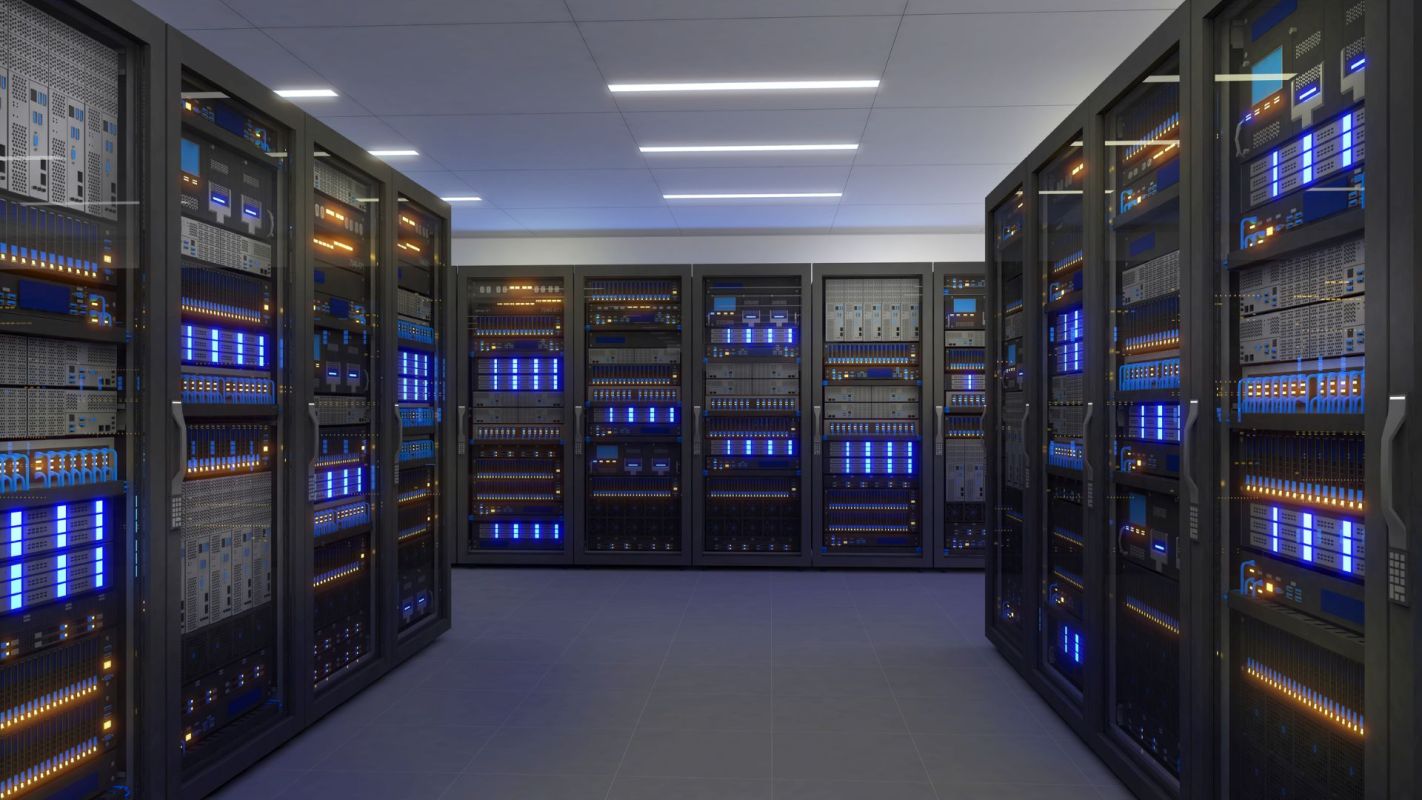
Carbondale, Illinois, is putting the brakes on one of the fastest-growing — and most controversial — types of development in the country.
City leaders voted to halt new data center projects for a year as they figure out how to regulate them.
What happened?
After hearing residents' concerns at a May 18 community meeting, the Carbondale City Council voted on Tuesday night, June 23, to stop new data center development for a year while the city works out rules for a type of project officials say is not currently regulated.
In a news release cited by KFVS12, the council described the moratorium as a response to "community and quality of life concerns" and said it would provide time to "develop zoning regulations."
As data center construction expands across the U.S. to support cloud computing and artificial intelligence, conflicts often center on noise, light pollution, electricity demand, and heavy water use — the same issues raised in Carbondale.
With the vote, Carbondale joins other local governments that have adopted temporary data center moratoriums as they decide which protections and standards should apply before more projects move ahead.
TCD Picks » Quince Spotlight
💡These best-sellers from Quince deliver affordable, sustainable luxury for all




Why does it matter?
Data centers are often promoted as engines of economic growth, but for nearby residents, the effects can feel far more immediate.
Large facilities can strain local water supplies, add pressure to the grid, and generate a constant hum from cooling systems and backup equipment.
In smaller communities, a single large project can reshape land use and utility planning for years.
A pause like this can help city leaders avoid locking residents into costly infrastructure burdens before protections are in place.
At the same time, critics of moratoriums argue that delaying projects could mean missing out on construction jobs, tax revenue, and future tech investment.
That concern is especially relevant for communities trying to attract new development.
Still, supporters say stricter rules can lead to better outcomes than a rush to build.
Across the country, communities have been trying to balance growth with environmental protections, much as other cities have weighed clean energy planning and industrial expansion before approving major projects.
What's being done?
For now, Carbondale is using the moratorium as planning time. The city said the goal is to create zoning regulations that can guide future proposals rather than leaving decisions to a case-by-case scramble.
Cities can require setbacks from homes, limits on nighttime lighting, noise caps, stronger energy-efficiency standards, and water-management plans such as recycling or nonpotable water use.
They can also steer facilities toward industrial areas and ask developers to help cover grid upgrades rather than shifting those costs onto residents.
In the city's view, the pause addresses "community and quality of life concerns" while giving officials room to "develop zoning regulations" and "take an informed approach" before any future data center projects are considered.

Get TCD's free newsletters for easy tips, smart advice, and a chance to earn $5,000 toward home upgrades. To see more stories like this one, change your Google preferences here.






