


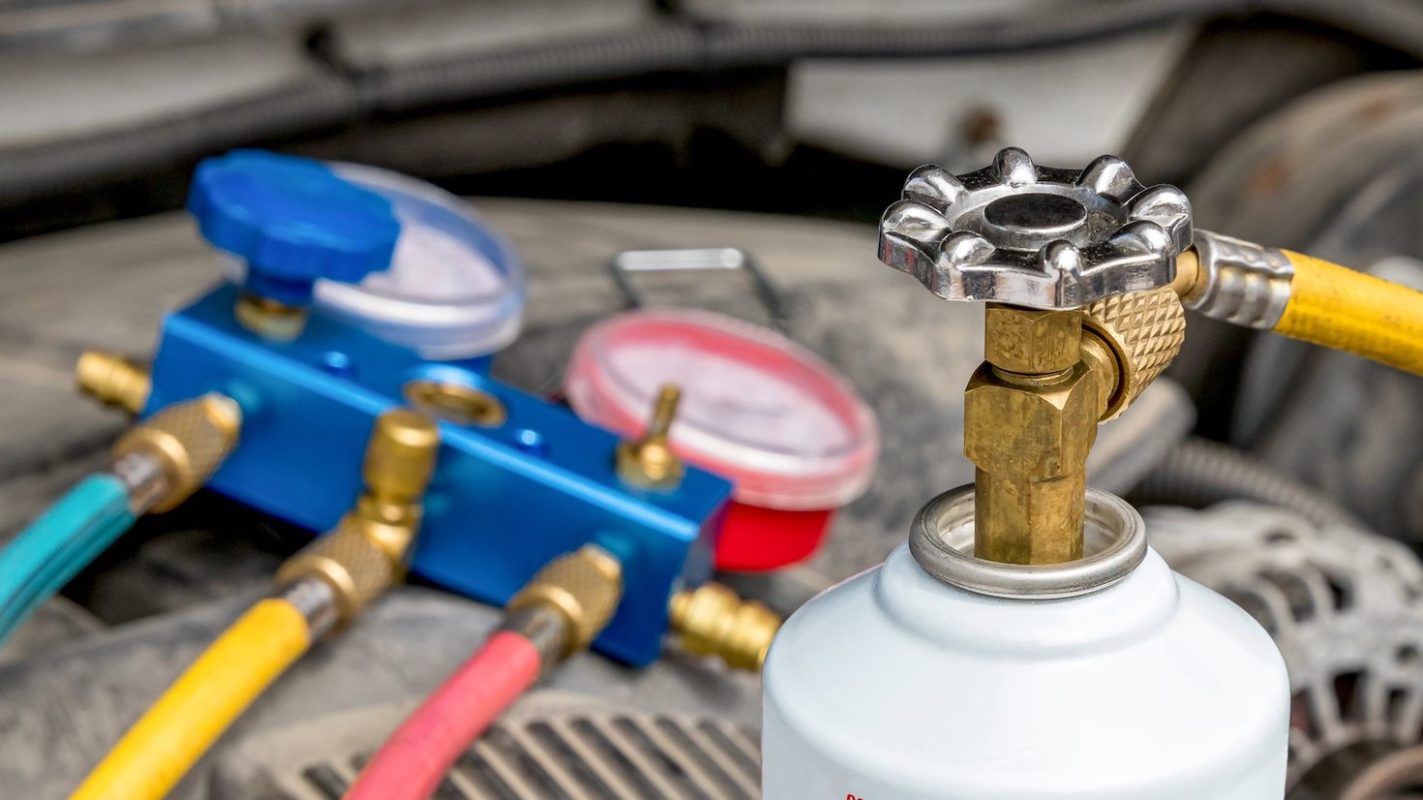
A refrigerant designed to be better for the climate may be creating a different kind of problem. New research suggests the chemical now used in most new car air-conditioning systems could already be a major source of trifluoroacetic acid, or TFA, across Europe.
What happened?
In a study published in Environmental Science & Technology Letters, a team led by the University of Bristol found that HFO-1234yf may already be an unexpectedly large source of TFA because it is used in vehicle air-conditioning systems worldwide, according to Phys.org.
Automakers moved to have the refrigerant HFO-1234yf replace HFC-134a, the latter of which has a much greater planet-warming effect. Since 2017, nearly all newly manufactured cars globally have used the newer refrigerant, and both chemicals can break down in the atmosphere into TFA, a highly persistent PFAS compound often grouped with so-called "forever chemicals."
The researchers found that, although HFC-134a emissions are still about 22 times higher worldwide, HFO-1234yf may already be producing up to three-quarters as much TFA globally. In parts of Europe, the newer refrigerant may already be associated with TFA deposition levels roughly 3.6 times higher than those linked to the older one.
Why does it matter?
Once TFA gets into the environment, it does not break down easily. Researchers have detected it in water, plants, food, and human samples, adding to concern about a source that could be growing quickly.
The concern is less an immediate health emergency from an individual car AC system than the way common products can add to chemical pollution over time. When a replacement chemical is rolled out on a global scale, even lower-emission options can create unintended public health concerns if their breakdown products persist in water and food systems.
TCD Picks » Quince Spotlight
💡These best-sellers from Quince deliver affordable, sustainable luxury for all




Lead author Dr. Rayne Holland, a researcher at the University of Bristol, noted that, in June 2026, the European Chemicals Agency's Risk Assessment Committee said TFA belongs in Reproductive Toxicity Category 1B. That does not mean every exposure carries the same risk, but it does signal that European regulators are taking the compound seriously.
The findings also fit into a broader pattern: Chemicals once marketed as safer substitutes can still create downstream pollution problems if regulators focus too narrowly on a single harm, such as planet-warming air pollution.
What's being done?
The biggest response is likely to come from regulators, automakers, and chemical manufacturers rather than individual consumers. Studies like this can influence chemical reviews, product standards, and future refrigerant choices, especially in Europe, where oversight of PFAS-related compounds has been tightening.
There is not much reason to stop using vehicle AC systems, but proper servicing and refrigerant recovery can help reduce leaks, while stronger disposal and repair standards can limit unnecessary releases.
If TFA continues showing up more often in environmental monitoring, utilities, health agencies, and consumer watchdogs may say more about testing and treatment.
A refrigerant thought to be "climate-friendly" can still raise red flags elsewhere. This study suggests Europe may be seeing that tradeoff in real time, as a replacement meant to cut warming pollution may already be becoming a dominant source of a "forever chemical."

Get TCD's free newsletters for easy tips, smart advice, and a chance to earn $5,000 toward home upgrades. To see more stories like this one, change your Google preferences here.






