


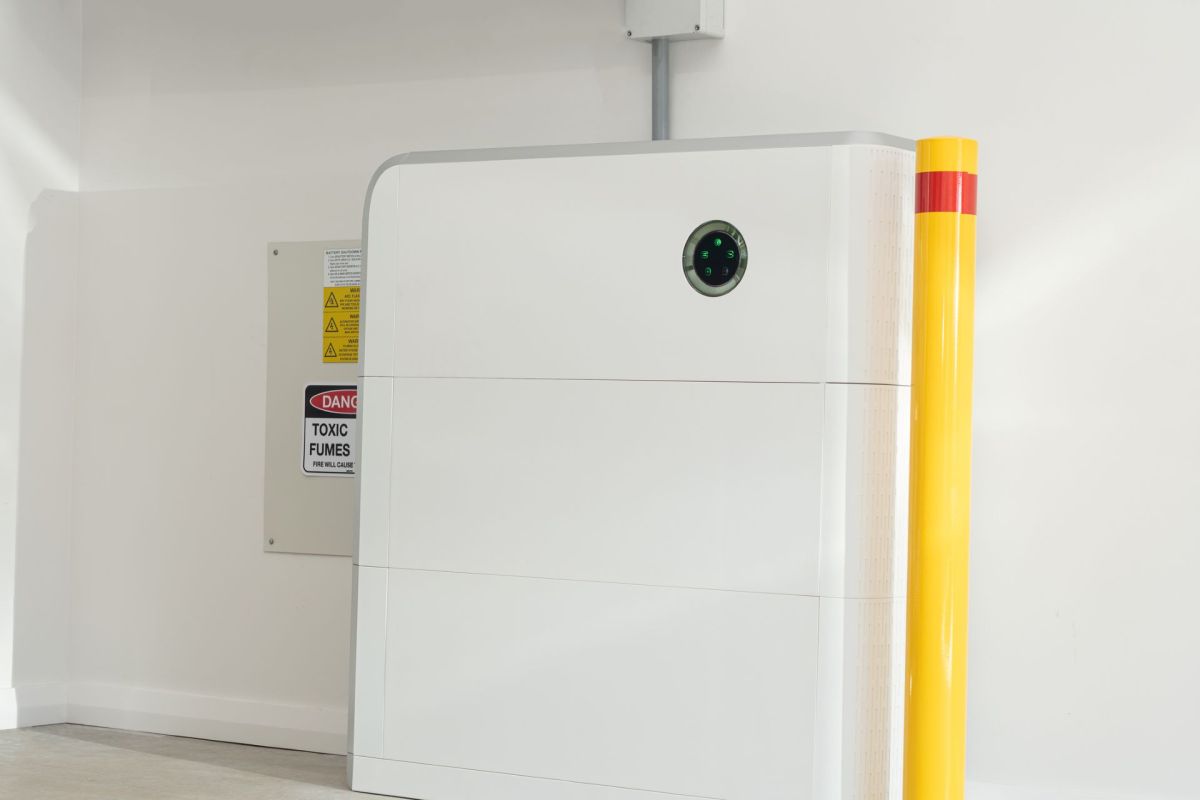
Home batteries are experiencing a boom in Canada as the government pushes for electrification. These devices allow homeowners to store cheap overnight electricity for use during pricier hours.
The Canadian government is offering large financial incentives to increase the ROI of homeowners who invest in battery storage.
Here's what to know
Toronto-based installer Solar X Canada has estimated that roughly 43% of Canadian homeowners intend to buy a home battery, compared with about 2.4% who already own one, according to Solar Builder.
In Ontario, peak electricity rates can reach about 10 times higher than the province's ultra-low overnight rate. Across Canada, Toronto Hydro puts average peak prices at roughly two to three times overnight prices, per Solar Builder.
Beyond the financial benefits, batteries can keep essentials running during outages, providing protection against grid instability as well as relief from rising energy costs.
Whole-home batteries can address outages and time-of-use price gaps while helping homeowners protect their homes. Leases can also help get equipment installed without upwards of $20,000 in upfront costs. EasyHome is a marketplace connecting battery shoppers with unique prices and exclusive deals from trusted partners.
More background
The Canadian Renewable Energy Association, or CanREA, put the number of solar installations across Canada's homes, businesses, and industrial sites above 100,000, per Solar Builder. Home and business battery installations remain far lower for the time being.
Mordor Intelligence has forecast that commercial and industrial battery deployments will grow at a compounded annual rate of 29.5% through 2031.
Crushed by your bills? See instant solar savings from vetted installers in just a few clicks With energy prices through the roof, there's never been a better time to go solar — and EasyHome can help you find the best prices from the best installers in your area. EasyHome takes the guesswork and headaches out of energy upgrades by showing you estimated savings from a network of vetted local partners. To get started, just enter your ZIP and share a few details about your home — seeing your estimate is really that easy. |

However, the battery supply chain is seeing price increases at the same time as the electrification push — potentially making the Canadian brands less favorable than Asian manufacturers.
Jeff Myles, marketing manager for Nova Scotia-based manufacturer Rolls Battery, told Solar Builder that lithium iron phosphate cell prices increased by 10% to 30% at the beginning of 2026, followed by smaller increases.
For shoppers seeking a smaller commitment, Pila offers a plug-and-play battery backup alternative at a substantially lower price than whole-home backup systems.
What's being done?
Several programs across Canada help homeowners cover the cost of battery storage, though some have restrictions.
Ontario's Home Renovation Savings Program offers up to $5,000 toward battery installation. However, participants who accept the incentive can't export electricity to the provincial grid.
BC Hydro also offers up to $5,000 for battery storage, while rebates in Nova Scotia and some Alberta municipalities reach $3,000 per system.
Meanwhile, Hydro Ottawa's voluntary GridFlex program pays existing battery owners $500 upon enrollment and $250 annually, according to Solar Builder.
For shoppers comparing solar as an addition to battery storage, EasyHome works like Groupon for home energy, negotiating unique deals for its large audience. It also offers special solar deals. Pairing solar panels with a battery can increase savings and provide backup electricity during outages.
Phil McKay, CanREA's senior director of member programs, emphasized the scale of the opportunity beyond individual households.
"We're sitting on what we estimate to be around a $200 billion opportunity for wind, solar, and storage in Canada." McKay told Solar Builder. "We certainly don't want to see this industry chopped off right at the time when the federal government has been pushing for the electrification of the entire economy."

Get TCD's free newsletters for easy tips, smart advice, and a chance to earn $5,000 toward home upgrades. To see more stories like this one, change your Google preferences here.






