


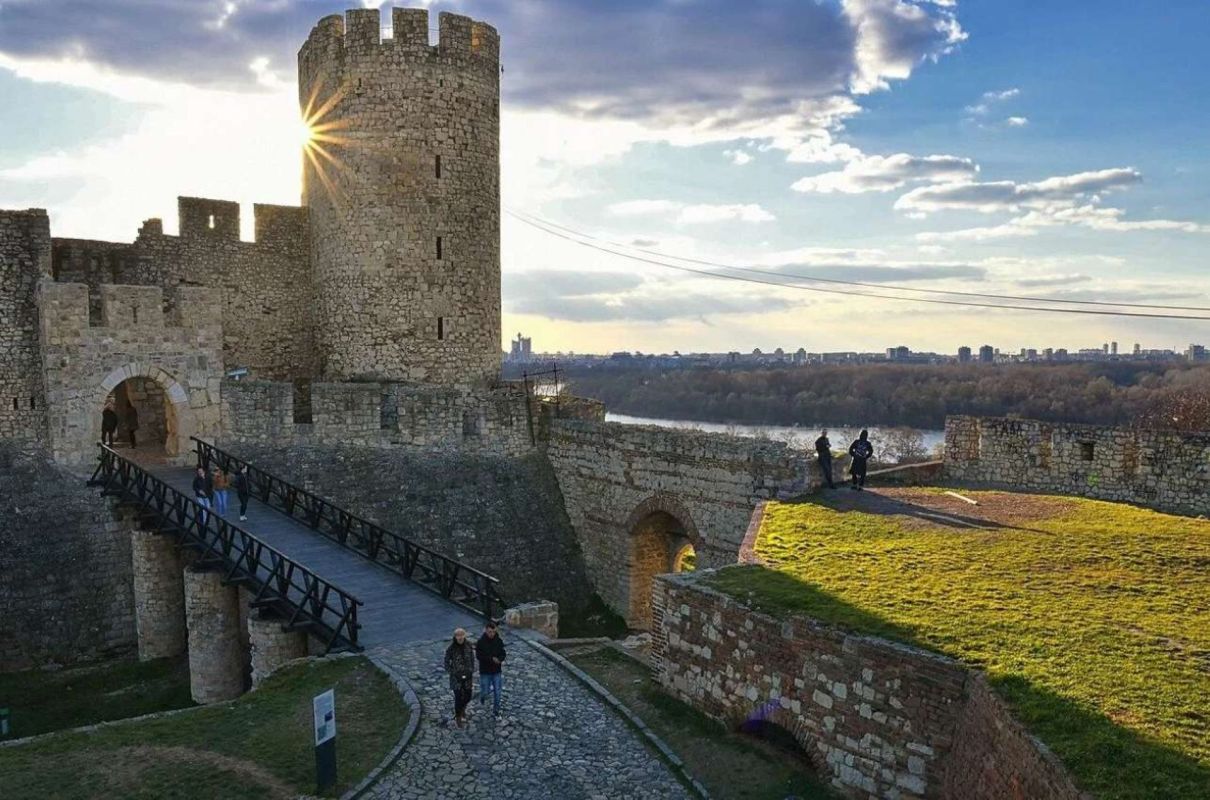
At Belgrade Fortress, a collection of animal remains is offering a rare window into centuries of life in the Balkans, from diet and labor to commerce — with one find drawing particular attention.
What happened?
The find comes from Belgrade Fortress, one of Serbia's most historically significant sites, at the meeting point of the Sava and Danube rivers. As Archaeology News reported, researchers examined 271 complete and fragmented animal bones recovered near the Lower Town's East Gate.
Among the standout remains are bones identified as the first known physical evidence of a medieval camel in the central and western Balkans, and researchers say the animal may have been a hybrid.
The remains came from two very different periods. Some were recovered from Roman layers dating to roughly CE 20 to 250, while others came from Late Medieval deposits dated between about CE 1410 and 1650.
The study, published in the Journal of Archaeological Science: Reports, found that Roman-era residents relied heavily on sheep, goats, cattle, and pigs, with many of the animals slaughtered young — a sign that meat production was likely a major priority.
Camel bones were among the Late Medieval finds, with fragments from a leg, heel, and foot. ZooMS protein testing indicated the animal was a hybrid rather than a pure dromedary or Bactrian camel. More broadly, the later deposits were dominated by sheep and goat remains, included fewer cattle bones, and contained no pig bones.
TCD Picks » Quince Spotlight
💡These best-sellers from Quince deliver affordable, sustainable luxury for all




Why does it matter?
The bones show how everyday life and local economies changed over time. At Roman Singidunum, the settlement associated with Legio IV Flavia Felix, animals appear to have been raised mainly for meat. By the Late Medieval period, people seem to have kept animals alive longer for wool, milk, transport, and labor, according to Archaeology News.
That shift helps historians better understand how societies adapted to changing political control, trade systems, and food customs. The absence of pig bones in the Late Medieval deposits may reflect dietary rules under Islamic law, though the researchers cautioned that the sample remains too small to draw firm conclusions.
Because camels do not originate in the Balkans, their remains at Belgrade point to wider links with eastern regions through trade and military movement. The find also suggests medieval transport networks were tightly interconnected.
What are people saying?
The researchers argued that the camel bones provide direct physical evidence of connections long suggested by written records, which describe camels used by Hungarian and Serbian rulers as well as Ottoman armies.
They also said the discovery raises questions about how archaeologists identify camel species from skeletons alone. In this case, protein testing contradicted earlier conclusions based only on bone shape, suggesting that hybrid camels may have been overlooked in older collections, Archaeology News noted.
The researchers said Belgrade Fortress was not just a defensive stronghold, but a place where food systems, trade routes, and the use of animals shifted dramatically over time.

Get TCD's free newsletters for easy tips, smart advice, and a chance to earn $5,000 toward home upgrades. To see more stories like this one, change your Google preferences here.







