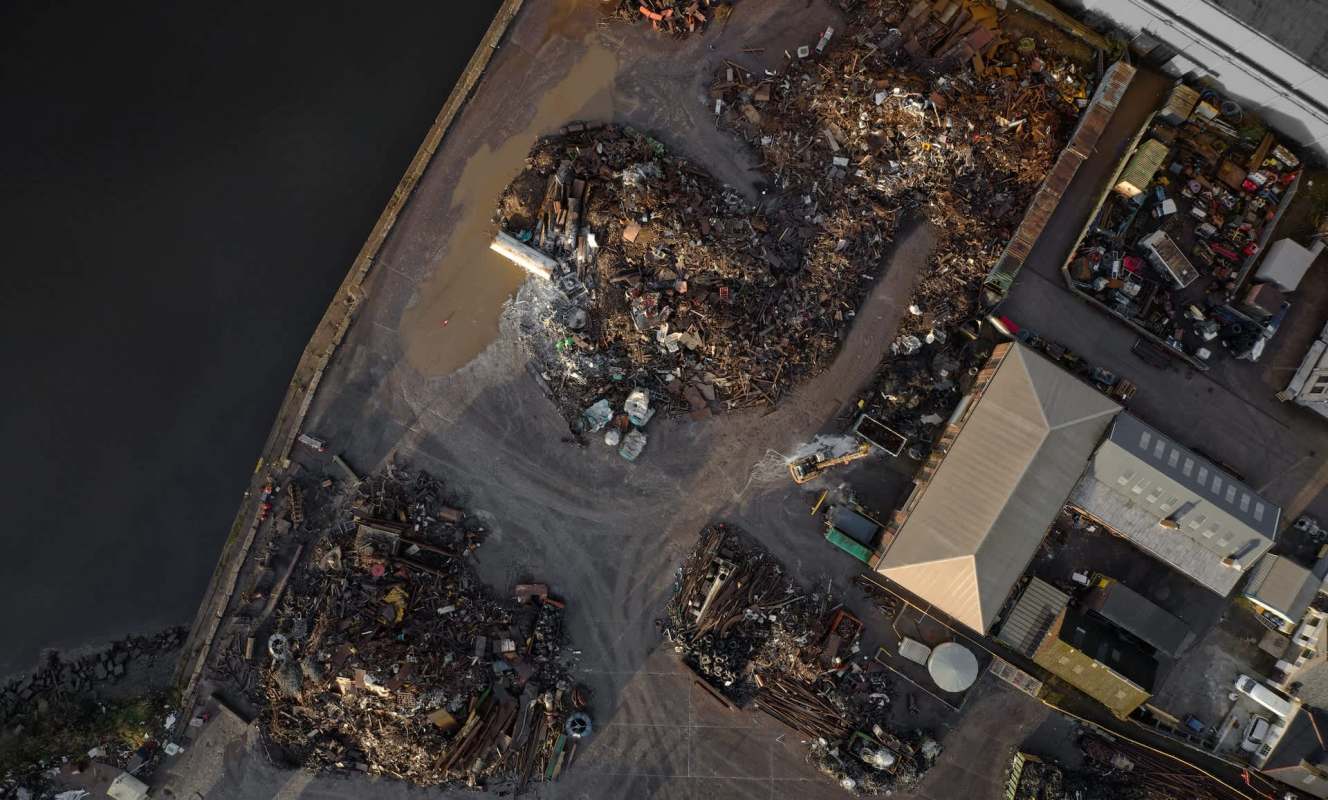
After a Camden scrap facility logged 13 fires over six years, a New Jersey legislator is seeking stricter state scrutiny of scrap and recycling operations, as concern grows over fires often linked to lithium-ion batteries.
Here's what to know
Assembly Bill 2406, backed by Democratic New Jersey Assemblyman Bill Moen, would increase the state's authority over scrap yards.
His renewed effort comes after investigators reported that neither New Jersey nor Pennsylvania has a single agency responsible for preventing the many fires at recycling centers and scrap yards, according to NBC10 Philadelphia.
Among the facilities drawing scrutiny is EMR's scrap yard in Camden, where 13 fires were recorded over six years. EMR declined to respond to a request for comment.
Moen said the issue is far bigger than one place, NBC10 Philadelphia reported.
"This isn't a New Jersey problem, it's not even a regional problem," Moen said. "It really is a national and global problem."
TCD Picks » Quince Spotlight
💡These best-sellers from Quince deliver affordable, sustainable luxury for all




Lithium-ion batteries are frequently cited as the cause of these fires, heightening concern as more homes use rechargeable devices, e-bikes, and other battery-powered products that can become dangerous when improperly disposed of.
More background
The investigation found that the current system often leaves municipalities and fire departments stepping in only after a fire has already started, rather than operating within a structure aimed at stopping fires before they happen.
The New Jersey Department of Environmental Protection told NBC10 Philadelphia that it does not regulate fires and that its oversight is limited to specific permits, including air and stormwater permits.
In Pennsylvania, officials with the Department of Environmental Protection said the state does not track lithium-ion battery fires and has no law mandating household battery collection.
Recycling systems are intended to reduce waste and recover useful materials, but repeated fires can make facilities more dangerous for workers and raise risks for surrounding neighborhoods.
Industry leaders say the issue starts before batteries ever arrive at a scrap yard. They warn that as long as batteries continue entering the normal waste stream, fires are likely to keep happening.
What's being done?
Moen said states need stronger authority over scrap facilities even as lawmakers push for broader national standards on battery disposal.
He said better state oversight would keep municipal governments from carrying so much of the regulatory load.
"The state would then have the instruments and the plan in place to regulate these scrap facilities in a way where we shouldn't just assume that the municipal governments are bearing the brunt of the regulation," he said.
In Pennsylvania, a proposed battery recycling program remains stuck in committee. At the federal level, legislation setting national guidelines for lithium-ion battery disposal cleared the U.S. House but remains stalled in the Senate.
The Environmental Protection Agency said, in comments to NBC10 Investigators, that it tracks battery-related fires through news reports and is updating an older report on keeping batteries out of the waste stream.
John Thomas, board president of the Construction & Demolition Recycling Association, said any meaningful fix will require action on several fronts, NBC10 Philadelphia reported.
"This is going to be communication, this is going to be legislation, this is going to be enforcement," Thomas said.
Where can I learn more?
New Jersey's push for tighter scrap yard oversight reflects a broader problem at waste and industrial sites. These examples show how fires, pollution complaints, and slow-moving rules can leave nearby communities exposed while officials sort out who is responsible.
• In Camden, N.J., residents say fires, smoke, and soot from EMR Advanced Recycling harmed nearby homes.
• In Missouri, violations at a medical waste incinerator are pushing regulators toward enforcement.
• In Oregon, lawmakers moved to curb methane problems at Coffin Butte Landfill.
• In Colorado, regulators struggle to implement new landfill methane rules.
Lawmakers are focusing on prevention, not just cleanup after a fire, which is why problems in one neighborhood can turn into broader policy fights over waste handling and enforcement.

Get TCD's free newsletters for easy tips, smart advice, and a chance to earn $5,000 toward home upgrades. To see more stories like this one, change your Google preferences here.