


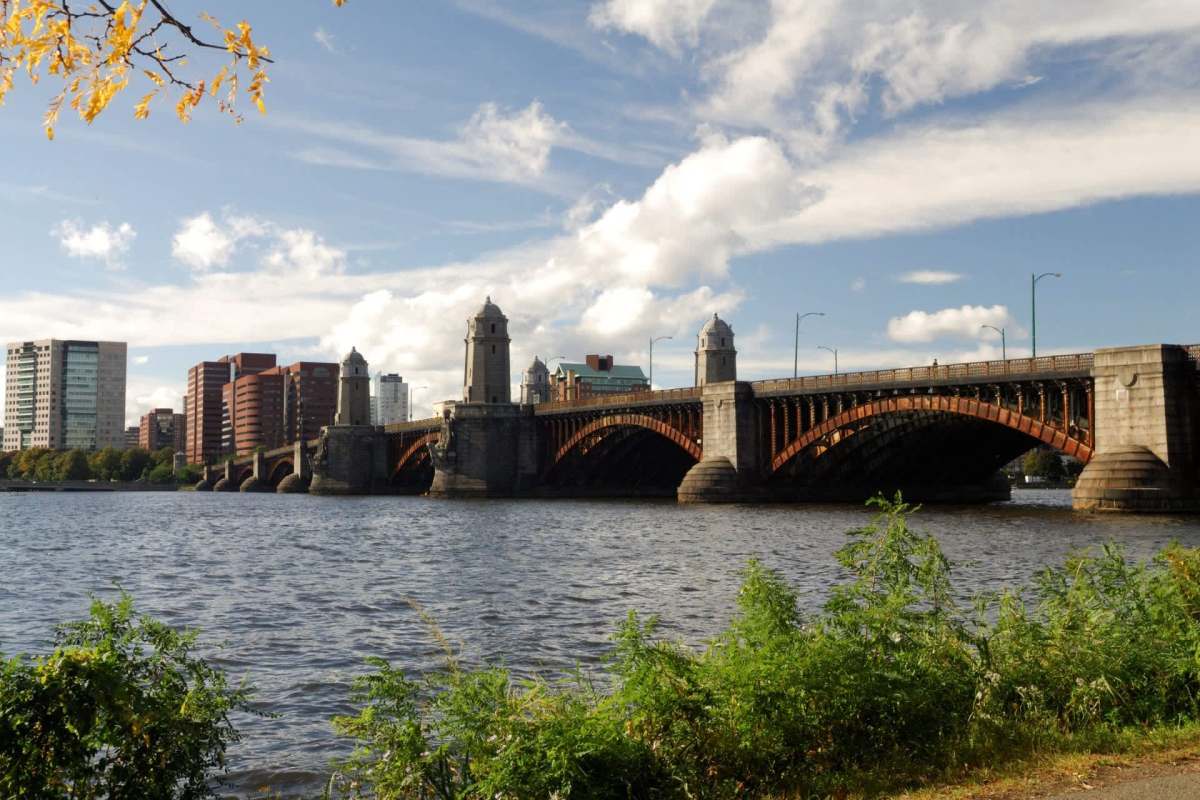
Cambridge's main storage reservoir, Hobbs Brook, is down to about one-fifth of capacity. That could force the city to purchase extra water, even though Massachusetts has lowered the city's drought classification, according to Cambridge Day.
Here's what to know
State drought designations are based on conditions across the entire Northeast region, which includes Middlesex, Essex, and Suffolk counties, not on Cambridge's reservoirs alone.
Mark Gallagher, managing director of the Cambridge Water Department, said Hobbs Brook is lower than it was at the same point in 2025 and is nearing its 2016 low, which he described as the city's worst since at least the 1960s. Regional conditions may look better, but Cambridge's main storage supply remains heavily depleted.
In Cambridge's three-reservoir system, Hobbs Brook can store 2.9 billion gallons. Water travels from Hobbs Brook to Stony Brook Reservoir and then to Fresh Pond for treatment before reaching customers, Cambridge Day reports. Gallagher said Stony Brook and Fresh Pond are both near full, but keeping them there has required pulling water from Hobbs Brook.
Cambridge Day reports that if Hobbs Brook does not recover enough, the city may have to buy additional water for the first time in a decade. That would create a new cost for the water system that customers could ultimately bear.
More background
Hobbs Brook usually follows a seasonal refill cycle. Cambridge typically shuts the gates at Hobbs Brook Dam in October or early November so the reservoir can recover through winter and spring while the other two reservoirs meet the city's needs. The gates generally reopen in late June, when warmer weather increases demand.
TCD Picks » Quince Spotlight
💡These best-sellers from Quince deliver affordable, sustainable luxury for all




According to Cambridge Day, Hobbs Brook entered that summer demand period below normal and has kept falling, leaving the city less of a buffer as it heads into the colder months.
The state's latest drought management plan says climate change is expected to raise the chances of both flooding and drought in Massachusetts. Even if overall precipitation increases, more of it may come in intense storms that are less effective at steadily replenishing water supplies. Higher temperatures also increase evaporation from reservoirs and soil.
Worsening droughts and floods can threaten lives and livelihoods, not just inconvenience people. Water shortages strain public health and safety, and the cost of securing backup supplies can eventually land on residents' bills, making it harder for families to keep up with rising costs.
What's being done?
Cambridge is using Hobbs Brook to keep Stony Brook and Fresh Pond supplied.
The city still has its usual seasonal option of closing the dam gates so Hobbs Brook can refill once demand eases. That strategy is more effective when the reservoir isn't starting from such a low level.
As Gallagher put it, "From the 1960s to 2016, the Northeast region had three drought events. Since 2016, this is our fifth."
Where can I learn more?
Cambridge's water worries are part of a pattern of drought stress and shifting water supplies. The following stories cover rationing, possible restrictions, emergency shortages, snow-driven supply risks, and reservoir recovery.
• In Catalonia, officials imposed water rationing as reservoirs fell to very low levels.
• In Yorkshire, usage restrictions are a possibility after the driest season in 130 years.
• In parts of Spain, residents faced tap water shortages that forced heavier reliance on bottled supplies.
• Across Arizona and New Mexico, abysmal snow left water supplies at risk for millions.
• In Cranbrook, officials said reservoir levels were rising after rain eased local pressure.

Get TCD's free newsletters for easy tips, smart advice, and a chance to earn $5,000 toward home upgrades. To see more stories like this one, change your Google preferences here.






