


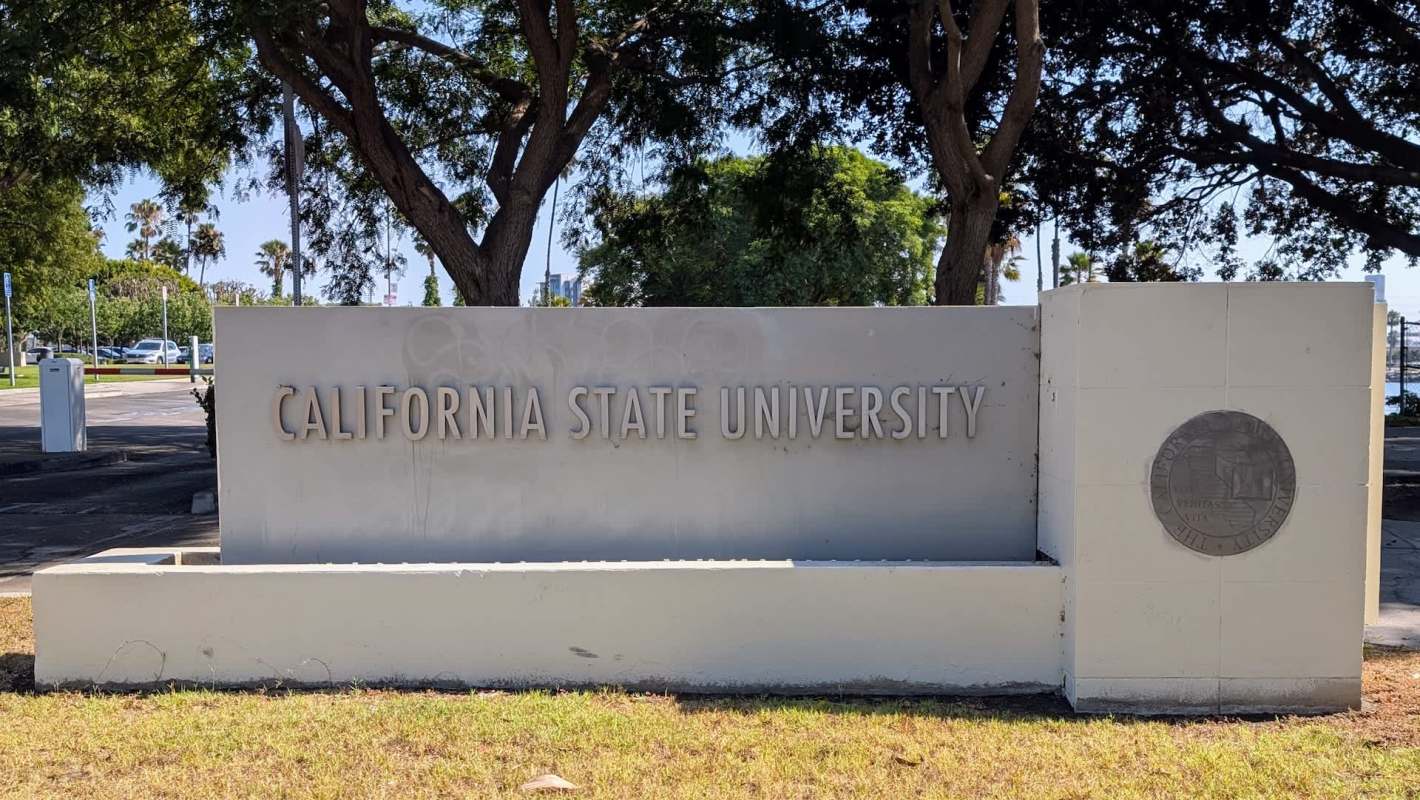
California State University is pressing ahead with ChatGPT even though many of the students and faculty it expects to use the tool say they are not persuaded that it is making education better.
According to a report from Futurism, the university system recently extended its OpenAI agreement at $13 million a year despite a large campus survey showing that most students and faculty remain skeptical of AI's overall value in the classroom.
What happened?
More than half a million students and faculty across CSU campuses got access to ChatGPT Edu through a $17 million OpenAI deal signed last year, a move that made the system one of higher education's earliest and most prominent adopters of generative AI.
Student use of the technology is already widespread — 84% of survey respondents said they have tried ChatGPT, and about half reported using AI regularly — but a recent CSU-wide survey of more than 94,000 respondents found persistent doubts about its educational benefits. In that survey, 65% of students and 59% of faculty said they did not think AI had improved education overall.
NPR reports that internal planning documents described the OpenAI partnership as a "huge branding [opportunity]," fueling questions about whether publicity mattered as much as academic results. The debate has grown as AI tools become more common on campus while many students continue to voice serious concerns about bias, job loss, creativity, cheating, and environmental harm.
Why does it matter?
CSU's decision could shape how other schools approach AI adoption. Even with widespread use, many students said they were uneasy about turning in AI-written work as if it were their own, and more than half of faculty said AI had hurt their teaching. Around 40% of instructors reported discouraging or banning AI use in class.
TCD Picks » Quince Spotlight
💡These best-sellers from Quince deliver affordable, sustainable luxury for all




There are also broader concerns about what heavy AI use could mean for learning itself. Researchers are still studying the effects, but early evidence has linked AI use to weaker critical-thinking skills, memory problems, and reduced brain activity during cognitive tasks, Futurism noted.
The renewal is especially controversial because CSU approved it while facing budget pressures that could lead to $144 million in cuts.
AI is also closely tied to the energy grid. While the technology can help improve efficiency, forecast electricity demand, and optimize clean energy systems, the data centers behind these tools can consume enormous amounts of electricity and water.
That can strain local grids, raise emissions when dirtier energy sources fill the gap, and potentially contribute to higher utility costs. Critics have also pointed to risks including misuse, security issues, bias, and broader social consequences if institutions adopt the technology faster than they can fully understand its effects.
What are people saying?
CSU English professor Jennifer Trainor told NPR that many students are "ethically opposed to the environmental impacts and the bias and the erasure of their jobs and voices and creativity."
One student told NPR she was "a little disappointed that they accepted [AI] with open arms immediately."
Meanwhile, professor Martha Kenney, who led a petition urging CSU not to renew the contract, said, "I think refusing this technology needs to be a position that's on the table."

Get TCD's free newsletters for easy tips, smart advice, and a chance to earn $5,000 toward home upgrades. To see more stories like this one, change your Google preferences here.






