


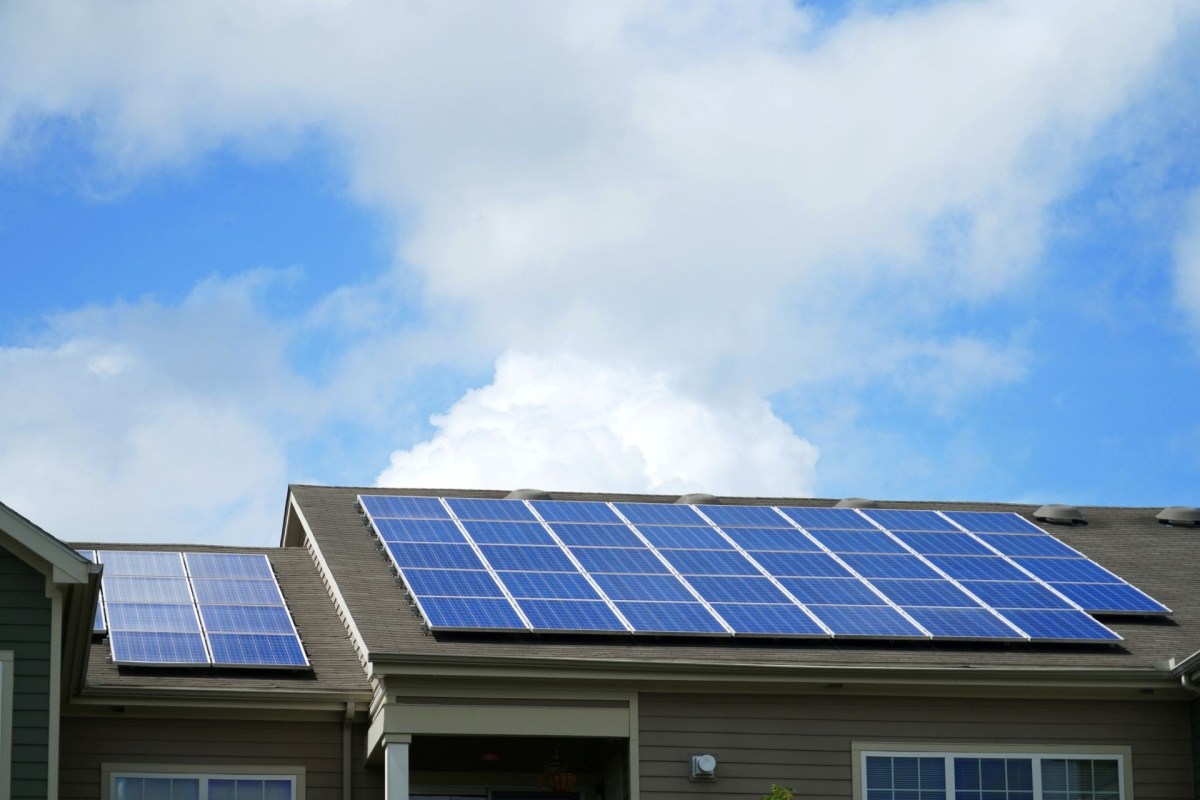
A Southern California solar owner says SDG&E's rate period between 4 p.m. and 9 p.m. has changed the outlook for a system that used to finish the year with bill credits.
Here's what to know
In a Reddit thread on r/SolarDIY, the homeowner said they're now considering a battery backup purchase because their solar credit may go toward a balance they owe if they don't take any other action.
Because the homeowner may add a pool and accessory dwelling unit later, they are comparing a single Powerwall with a SolArk 15/18 and 16 kWh of batteries. Their current setup also appears to generate 10 to25 kWh of excess power between 10 a.m. and 4 p.m., which they believe could recharge a battery from solar each day for use during the expensive 4 p.m. to 9 p.m. period.
Not everyone in the thread thought storage was the best answer.
One commenter wrote, "Battery is not worth in nem 2.0, throw cheap panels at the problem, get back to your original export level."
The homeowner replied that they did not think another 1,200 watts of solar would offset that evening peak usage.
When weighing options, it can help to compare options through EnergySage, which offers competitive installation estimates. EnergySage has teamed up with electrification brand Qmerit to help homeowners get the best price on home battery storage solutions.
More background
Total annual production is only part of the equation. In this case, the home seems to have plenty of midday generation, but the bill pressure shows up during the 4 p.m. to 9 p.m. period, when the homeowner estimates needing about 11 kWh.
Save $10,000 on solar panels without even sharing your phone number Want to go solar but not sure who to trust? EnergySage has your back with free and transparent quotes from fully vetted providers in your area. To get started, just answer a few questions about your home — no phone number required. Within a day or two, EnergySage will email you the best options for your needs, and their expert advisers can help you compare quotes and pick a winner. Solar panels can save you more than $50k over their 25-year lifespan, and EnergySage can help you save as much as $10k on installation. Which begs the question — isn't that worth an email or two? |

For this setup, storing midday solar instead of exporting it would shift that electricity to the hours when utility rates are highest.
Any future expansion also needs to stay non-export so the home's NEM 2.0 arrangement is preserved, as commenters noted.
What can be done?
Several commenters framed the decision around measured evening demand rather than rough assumptions.
With about 11 kWh as the target, the homeowner viewed one PowerWall as the "sweet spot," while still weighing a SolArk option because expansion "down the road is so much more cost effective."
One commenter estimated that 20 kWh of storage with an enclosure could cost about $4,000, with battery micros adding another roughly $200-$400.
A separate reply noted that plug-in systems typically supply only one leg of a split-phase home.
Pila is another company offering strong battery backup options, and its plug-and-play batteries cost a fraction of a whole-home backup system.
When another person brought up the idea of plug-in batteries, the original poster replied, "I'd buy this in a heartbeat if it exists and is readily available / UL approved!"
Where can I learn more?
For solar households navigating shifting net metering rules and battery payback questions, the financial picture can change fast.
• Only 20 states in the U.S. still offer net metering that makes batteries harder to justify.
• Home batteries are a major advantage as rooftop solar incentives run into caps in Connecticut.
• In Massachusetts, solar, mini-splits, and net metering left one homeowner 4,100 kWh ahead.

Get TCD's free newsletters for easy tips, smart advice, and a chance to earn $5,000 toward home upgrades. To see more stories like this one, change your Google preferences here.






