


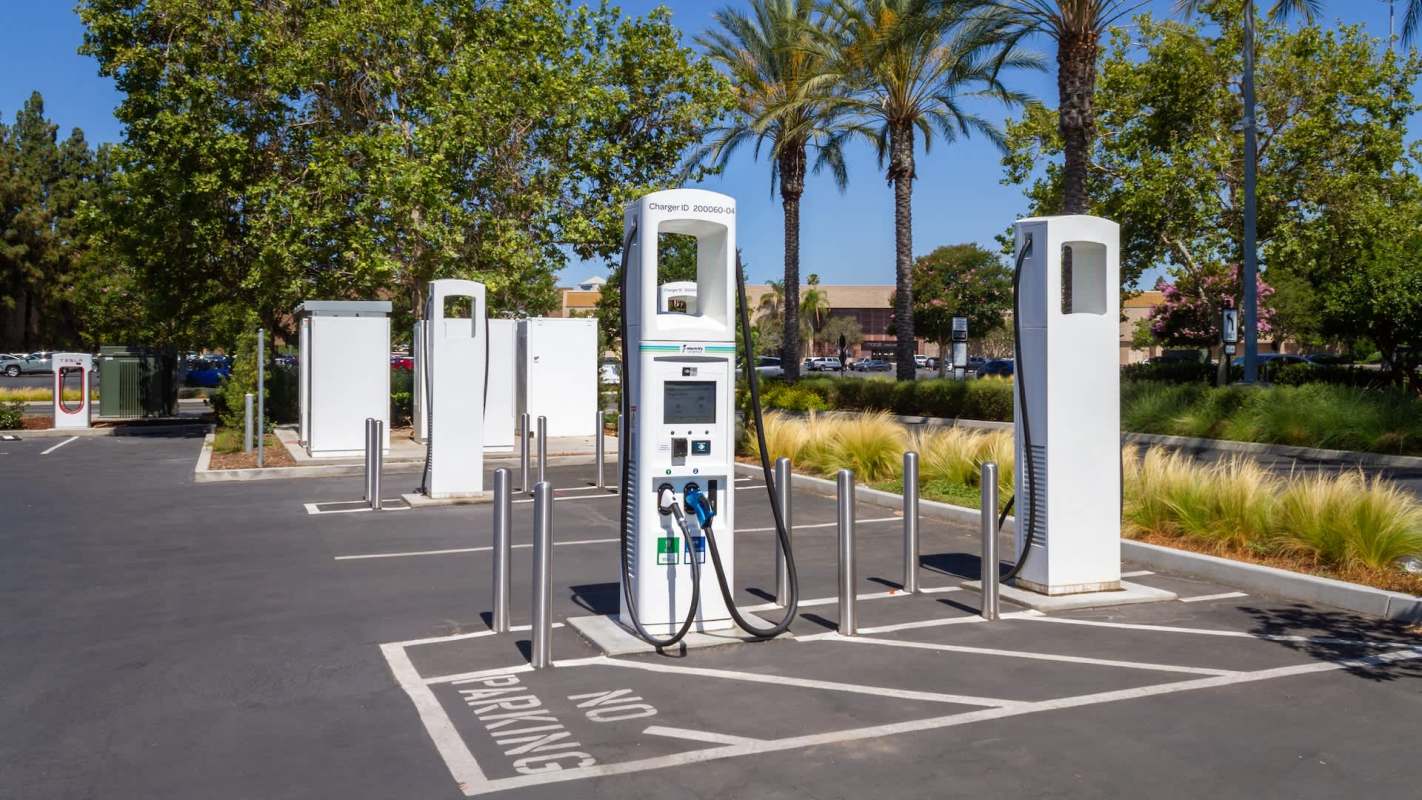
California is trying to make electric vehicles easier to own in the places where charging has often been hardest to access, including apartment buildings, mixed-use developments, and neighborhoods still waiting for more infrastructure.
On Sept. 20, Gov. Gavin Newsom signed a package of bills designed to speed up charger deployment, expand consumer protections, and make clean transportation a more practical option for more residents.
Here's what to know
According to a press release out of the governor's office, the package of laws is aimed at removing obstacles that can slow EV adoption, including drawn-out permitting, lack of charging where people live, and uncertainty about incentives and battery details.
As noted in Gov. Newsom's press release on the package, "Together the new laws cut red tape to expedite charger deployment, support charging access where Californians live, strengthen transparency of incentives for zero-emission trucks, and help more Californians confidently choose electric transportation."
The package specifically includes AB 1820, SB 1283, SB 969, SB 1213, SB 1267, and SB 615.
Most of the package's concrete changes deal with charging infrastructure. As described in Gov. Newsom's press release, AB 1820 lowers some permitting barriers and fees for charger projects at apartments and mixed-use developments.
TCD Picks » Quince Spotlight
💡These best-sellers from Quince deliver affordable, sustainable luxury for all




SB 1283 makes clear that California's streamlined charger-permitting rules also cover related work such as trenching, electrical upgrades, solar canopies, and battery storage. SB 969, meanwhile, revises an older inspection process so some manufacturer-tested public chargers can begin operating sooner.
The other three bills in the package deal with EV access and consumer protections. SB 1213 adds transparency to state incentives connected to zero-emission trucks, SB 615 provides clearer information about EV batteries for people comparing vehicles, and SB 1267 is intended to improve charging access for Californians who live in homeowner associations.
More background
Owning an EV often depends less on the vehicle itself than on whether charging is convenient, affordable, and available where people live. Even as California remains one of the leading states for EV ownership and sales, part of this legislative package is aimed at residents who do not have a private garage or driveway.
More drivers moving away from gas-powered vehicles can mean lower fuel costs, cleaner air, and less vulnerability to oil-price swings that can strain household budgets through both transportation and goods costs.
Newsom is now casting the legislation as a way to make the shift more workable for households and businesses. As explained in his press statement, "These laws cut red tape, accelerate the infrastructure we need, and build a safer, more reliable, and more affordable future, one that is powered by California innovation, not dictated by global oil markets."
Where can I learn more?
These stories look at new charging stations, apartment charging access, federal build-outs, and changing plug standards.
• In Santa Ana, Rove opened an EV charging center designed as a more comfortable stop.
• Across the U.S., apartment residents say free plugs are vanishing as EV demand grows.
• Boston officials are installing curbside chargers with an experimental approach in dense neighborhoods.

Get TCD's free newsletters for easy tips, smart advice, and a chance to earn $5,000 toward home upgrades. To see more stories like this one, change your Google preferences here.






