


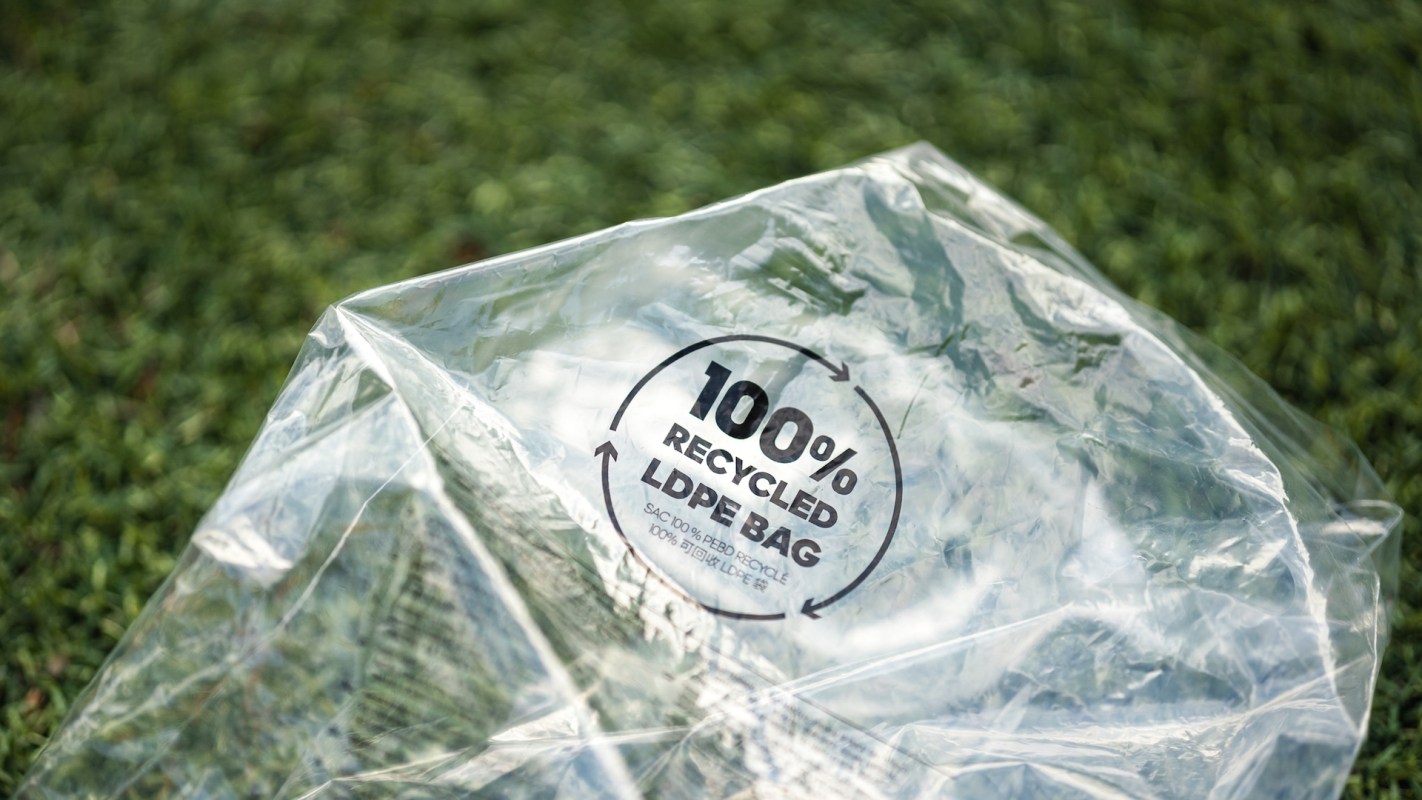
Shoppers looking for recyclable packaging could have a harder time knowing what belongs in the recycling bin under two industry-backed bills in Congress.
California restricts recycling symbols on products that cannot realistically be recycled. Those limits, along with other stricter state rules, would be overridden by the federal proposals.
Here's what to know
The bipartisan measures cleared the House Energy and Commerce Committee in September, ProPublica reported. States would be barred from requiring more than the national labeling standards established by the two bills.
New York Republican Rep. Nick Langworthy introduced the Recycled Materials Attribution Act, which would direct the Federal Trade Commission to accept "mass balance" accounting for recycled-content claims.
The method lets manufacturers assign recycled-content credit to plastic products even when the recovered material goes into other outputs, such as fuel.
The Packaging and Claims Knowledge (PACK) Act, sponsored by Texas Republican Rep. Randy Weber, would allow recycling symbols when programs accepting the packaging are accessible to at least 60% of consumers.
TCD Picks » Quince Spotlight
💡These best-sellers from Quince deliver affordable, sustainable luxury for all




Products would have to be technically recyclable, but companies would not need to show that reprocessing them is economically feasible. Collecting the packaging would not guarantee that it becomes something new.
More background
According to ProPublica, the Environmental Protection Agency reported that only 8.7% of U.S. plastic waste was recycled in 2018. The Department of Energy estimated an even lower rate of 5% for 2019.
Chemical recycling breaks plastic into chemical components. According to California's Attorney General's Office, ExxonMobil's Baytown, Texas, operation turns just 8% of the plastic waste it handles into new plastic. The remaining 92% mostly becomes fuel.
California's 2024 lawsuit against ExxonMobil alleges that dilution with new plastic reduces the resulting products' recycled content to below 0.1%. Yet the company has used mass balance accounting to market products as containing "30% ISCC PLUS certified-circular" content, ProPublica said.
ExxonMobil disputed liability in a court filing, arguing that developing recycling technologies did not make it responsible for global plastic pollution.
What's being done?
California's labeling law requires more than access to collection bins. Facilities serving 60% of Californians must routinely collect and separate the material, then sell it for reprocessing.
Packaging is also ineligible if its inks or labels interfere with recycling, or if heavy metals and PFAS exceed specified levels.
A preliminary injunction has put the law on hold after food producers and packaging companies sued. Consumers can still file private lawsuits over suspected false recycling symbols, according to Ameripen packaging trade group president Lynn Dyer, as reported by ProPublica.
Industry supporters, including Rep. Earl L. "Buddy" Carter, argue that national standards would simplify packaging instructions and give manufacturers predictable rules.
According to OpenSecrets data, the Consumer Brands Association reported $2.4 million in lobbying expenditures for these measures and other issues during the first six months of 2026, ProPublica reported.
Rachel Fullmer, who works on toxics and environmental health as a staff attorney for the Natural Resources Defense Council, warned that the bills "champion deceptive, anti-consumer policies which would result in an increase in plastic production and plastic waste incineration, all while hiding behind the false brand of 'recycling.'"
Where can I learn more?
Disputes over environmental claims go beyond recycling labels. These stories cover California packaging claims, EU greenwashing rules, New Mexico PFAS labels, and recycled polyester marketing.
• A California bill targets misleading recycled claims on packaging sold to consumers.
• The EU is cracking down on vague environmental claims and hidden product obsolescence.
• A judge blocked New Mexico's PFAS labeling rule, calling it "a warning in disguise."
• A shopping writer argues that recycled polyester is greenwashing and a bad deal for buyers.

Get TCD's free newsletters for easy tips, smart advice, and a chance to earn $5,000 toward home upgrades. To see more stories like this one, change your Google preferences here.






