


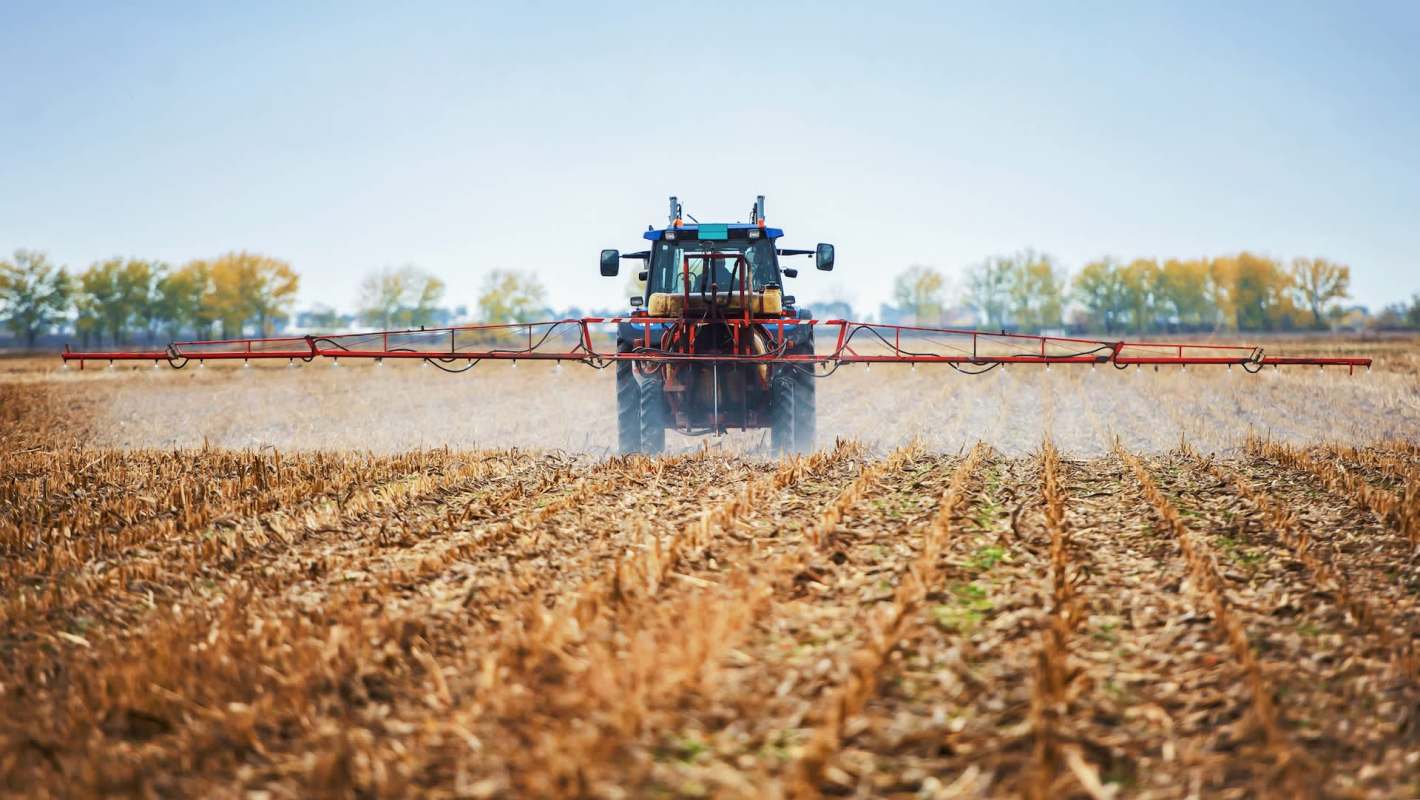
A California bill meant to keep toxic "forever chemicals" out of the food supply had its central restrictions stripped away after aggressive lobbying, according to Inside Climate News.
Here's what to know
Assemblymember Nick Schultz of Burbank said the final version of A.B. 1603 that reached Governor Gavin Newsom's was "a shell of what we set out to do," adding, "We missed an opportunity this year to really be a national leader on this issue, and to catch up with a handful of other states that are already pursuing this legislation."
Earlier versions were much broader, aiming to block new PFAS pesticides starting in 2028 and prohibit sales of 23 PFAS pesticides already banned in Denmark by 2030. PFAS stands for per- and polyfluoroalkyl substances, a group of chemicals often called "forever chemicals" because they don't break down.
Schultz said the issue became alarming to him after he learned PFAS-containing pesticides are used on crops and saw a March Environmental Working Group report that found PFAS residues on nearly 40% of conventional California produce.
According to Inside Climate News, industry groups spent nearly $900,000 between January and June lobbying California officials on A.B. 1603 and other issues. The outlet said disclosure records also showed lobbyists gave legislators more than $1,000 in pistachios, strawberries, and fruit boxes, and covered a steak dinner that cost about $300 per person.
More background
Exposure to PFAS has been linked to cancer, immune suppression, hormone disruption, reduced fertility, obesity, and neurodevelopmental problems.
TCD Picks » Quince Spotlight
💡These best-sellers from Quince deliver affordable, sustainable luxury for all




Studies have also associated PFAS-contaminated drinking water with higher rates of several cancers. Inside Climate News reported that contamination was detected in 79% of the 150 California public water systems tested in 2022.
California growers used more than 14.2 million pounds of various PFAS pesticides on crops from 2018 through 2023, averaging more than 2.3 million pounds each year. Another 1.9 million pounds were applied in non-agricultural places such as roadside green strips and golf courses.
In California's $2.7 billion almond industry alone, growers used more than 734,000 pounds of PFAS pesticides, including bifenthrin and oxyfluorfen, which the U.S. Environmental Protection Agency classifies as possible human carcinogens.
What's being done?
Although much of the original proposal was removed, the bill could still increase transparency.
Susan Little, the California legislative director for Environmental Working Group, told Inside Climate News the measure is "an important first step" because it would require regulators to track PFAS pesticide use and help inform farmers, local officials, and the public about what is being sprayed.
American Chemistry Council spokesperson Erich Shea said, "ACC supports risk-based approaches that evaluate pesticides individually and makes regulatory decisions based on scientific evidence and actual product data."
Almond Alliance spokesperson Amanda Russell similarly said, "Our concern was with imposing broad restrictions on crop protection products through legislation rather than allowing California's Department of Pesticide Regulation to evaluate individual products based on science, exposure, risk and actual use."
According to Inside Climate News, Schultz cited Maine and Minnesota as states that have already restricted PFAS pesticides.
Where can I learn more?
California's fight over PFAS pesticides is part of a global push to confront contamination, rein in agricultural chemicals, and reduce everyday exposure. The stories below show how concerns about waterways, farmland, and public health are shaping those debates in other places too.
• In California, half of the state's water was flagged for PFAS contamination tied to pesticides.
• In Costa Rica, lawmakers weighed a major pesticide ban on common grocery-linked agricultural products.
• In New York, bipartisan lawmakers pushed to ban biosolids fertilizer over PFAS risks on farmland.
Each debate shows how far governments are willing to go to curb long-lasting chemical exposure.

Get TCD's free newsletters for easy tips, smart advice, and a chance to earn $5,000 toward home upgrades. To see more stories like this one, change your Google preferences here.






