


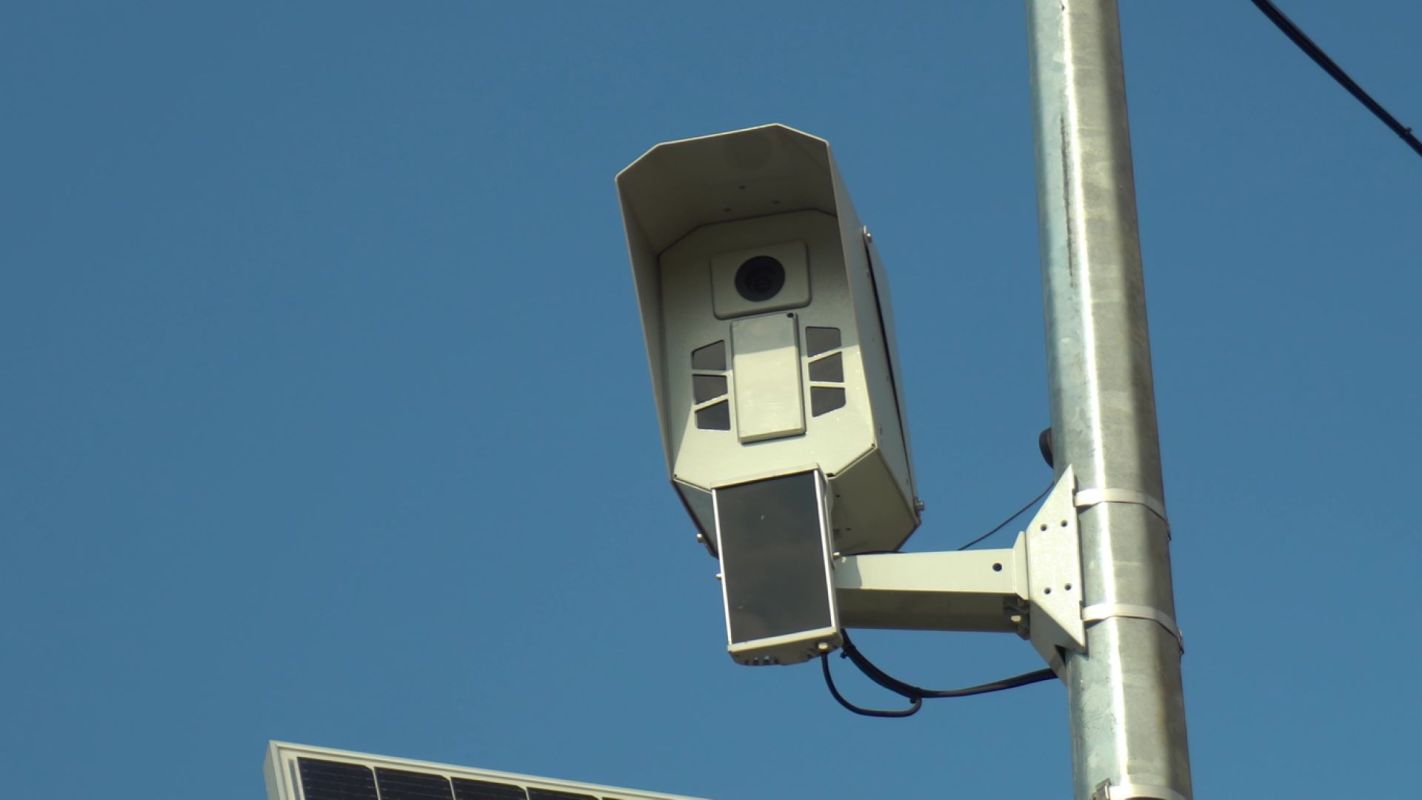
A California lawsuit challenging San Jose's use of automated license plate reader cameras is moving forward, keeping a broader privacy debate alive: When people drive on public roads, how much of their movements should the government be allowed to track?
Whatever the courts decide could influence how Bay Area communities — and others elsewhere — weigh public-safety claims against the ability to go about ordinary life without constant monitoring.
What's happening?
According to CBS News, a Santa Clara County judge has asked both sides of a lawsuit regarding citywide surveillance cameras for additional materials before a ruling is made.
CBS News reported that San Jose's network of nearly 500 license plate reader cameras is at the heart of the dispute. The Council on American-Islamic Relations and the Electronic Frontier Foundation claim, as the outlet reported, the city's use of that system breaks a California law governing how police handle plate-reader information and also violates constitutional privacy rights.
The plaintiffs said that the main issue is not about single images captured by the cameras, but a searchable database that police can use to show records of where people regularly travel. They argue, as CBS News reported, police should need a warrant to search that history, comparing it to cellphone location data.
City officials take the opposite view, arguing that drivers do not have a reasonable expectation of privacy while using public roads. Even so, the judge has not ruled yet.
TCD Picks » Quince Spotlight
💡These best-sellers from Quince deliver affordable, sustainable luxury for all




Why does it matter?
If judges conclude that police may search stored vehicle-location histories without first getting a warrant, routine parts of daily life could become easier to trace.
That prospect can spark concerns over residents' right to privacy.
Zahra Billoo of the Council on American-Islamic Relations captured that concern clearly, as CBS News reported: "Police should not simply be able to follow where our cars are and where they went."
Because license plate reader systems are already operating in Bay Area cities, the San Jose case could help define whether privacy rights still limit the spread of inexpensive, widespread surveillance.
What's being done?
The civil liberties groups behind the case want the court to set tighter limits on the system. Andrew Crocker, an attorney for the Electronic Frontier Foundation, said, as reported by CBS News, the judge's request for more briefing was a good sign, even though he acknowledged it is "an uphill battle."
San Jose, meanwhile, says the cameras are a valid tool for public safety. The San Jose Police Department has said, according to CBS News, that it reduced data retention from one year to 30 days and that the cameras help solve crimes, recover stolen vehicles, and find missing people.

Get TCD's free newsletters for easy tips, smart advice, and a chance to earn $5,000 toward home upgrades. To see more stories like this one, change your Google preferences here.






