


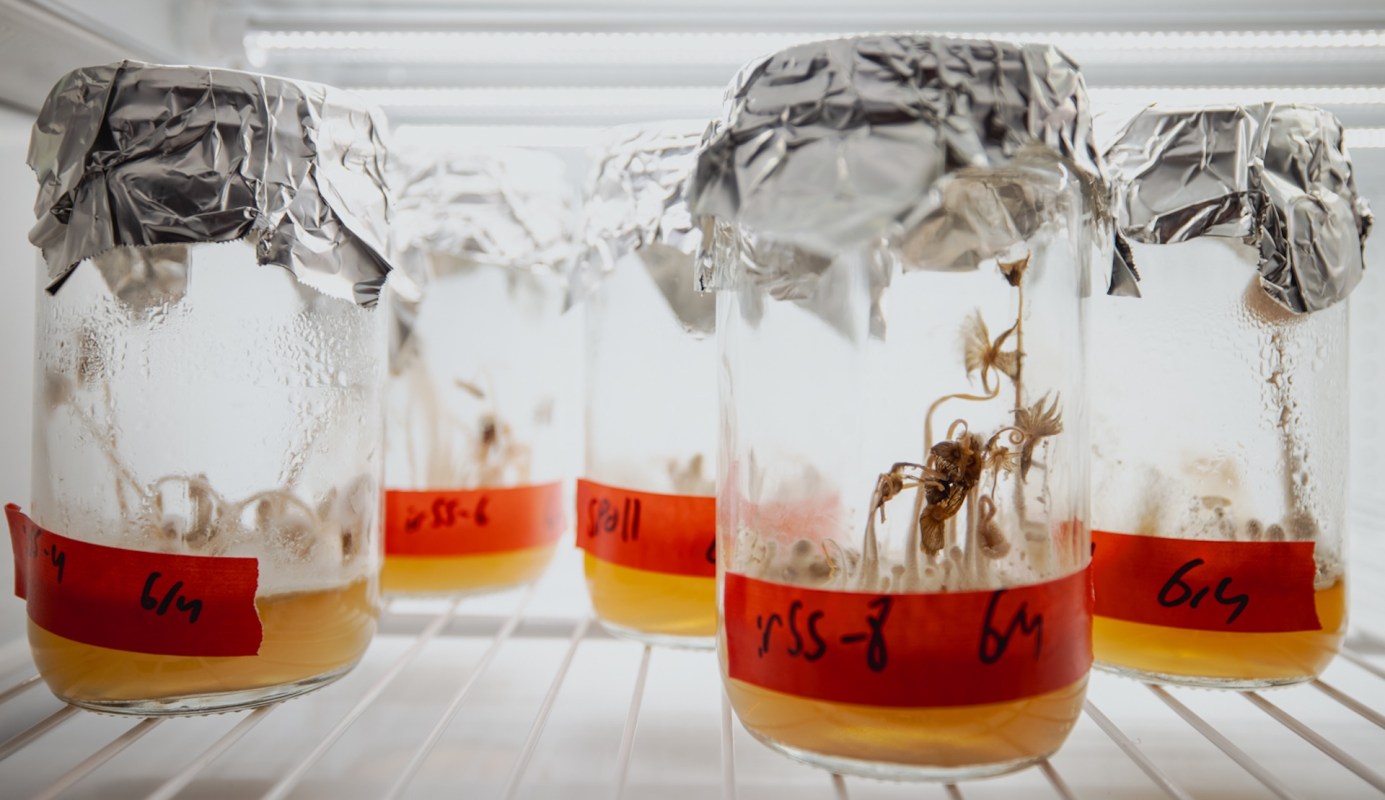
A Stanford lab is exploring an innovative solution to two major problems at once: food waste and the climate pollution that comes with it.
By combining fungi research with genetic engineering and help from chefs, the team hopes to turn overlooked leftovers into foods people may actually be excited to eat.
What's happening?
Stanford bioengineer Vayu Hill-Maini and his lab are studying how fungi could help create a more efficient food system, according to Stanford News.
The effort addresses the staggering amount of wasted food. Hill-Maini estimates that around 30% of produced food is discarded, and that food waste generates about half of the food system's greenhouse gas emissions. His lab is exploring whether fungi could turn some of that discarded material into useful ingredients and future meals.
Shiitake and oyster mushrooms can grow on materials like sawdust, showing how fungi can thrive on matter that many other organisms struggle to break down. That is why Hill-Maini explained, "Fungi are nature's recyclers."
To make the end result not only efficient but also flavorful, the lab launched a chef-in-residence program last year that brings chefs into the lab to collaborate. The team is also using genetic modification to help fungi process waste more effectively while improving their nutritional qualities and taste.
TCD Picks » Quince Spotlight
💡These best-sellers from Quince deliver affordable, sustainable luxury for all




Why does it matter?
This type of research could eventually lead to more climate-friendlier food options without requiring people to accept bland or unfamiliar products.
Food waste is not only an environmental problem. It also represents lost money, labor, and resources across farms, factories, stores, and households. If more of that material can be repurposed into edible products, the food system could become more productive while generating less pollution.
According to Hill-Maini, fungi already play a role in everyday staples including bread, cheeses, soy sauce, sake, and miso. Even though fungi have long been part of foods many people know, they have been overlooked. As Hill-Maini put it, fungi have often been dismissed with attitudes like "mold is bad" or "mushrooms are weird." But that perception may be changing. "Now we seem to be in a moment where people are excited about them," Hill-Maini wrote.
What's being done?
The lab's work follows two paths. Researchers are studying how fungi might handle waste streams more effectively, while also looking for ways to make the resulting foods more nutritious and flavorful.
On the culinary side, the chef-in-residence program is helping bridge a gap that often slows food innovation. Scientists may be able to create something technically impressive, but chefs can help shape the texture, taste, and usability so the food fits into real meals people want to choose to buy at the store.
If future products taste good and work in familiar dishes, they are much more likely to become everyday staples.
Hill-Maini said, "Fungi are nature's recyclers." If researchers can pair that natural ability with better flavor and familiar cooking, food waste could become less of a burden and instead be used to create tasty meals, creating a more circular food system.

Get TCD's free newsletters for easy tips, smart advice, and a chance to earn $5,000 toward home upgrades. To see more stories like this one, change your Google preferences here.






