


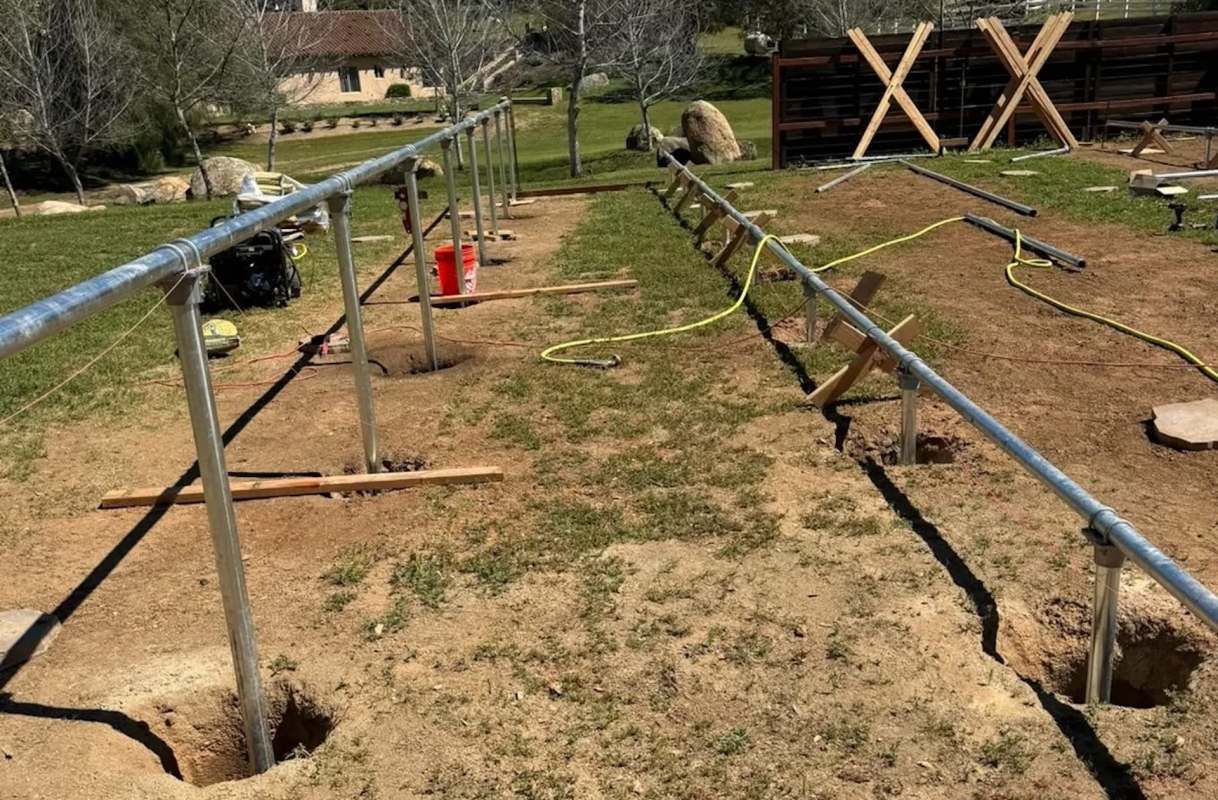
On five acres in Southern California, one homeowner designed and built an off-grid solar system sized for more than basic household use.
After completing the installation, the off-gridder shared their setup on Reddit's r/SolarDIY forum.
Here's what to know
In the Reddit thread, the homeowner described the installation built around 52 Aptos 440-watt bifacial panels, two EG4 Flexboss 21 inverters, and six EG4 280Ah batteries. The system has produced about 18 megawatt-hours, with average daily generation near 120 kilowatt-hours.
In addition to giving a "rundown" of the build, the original poster also included 16 photos of the array.
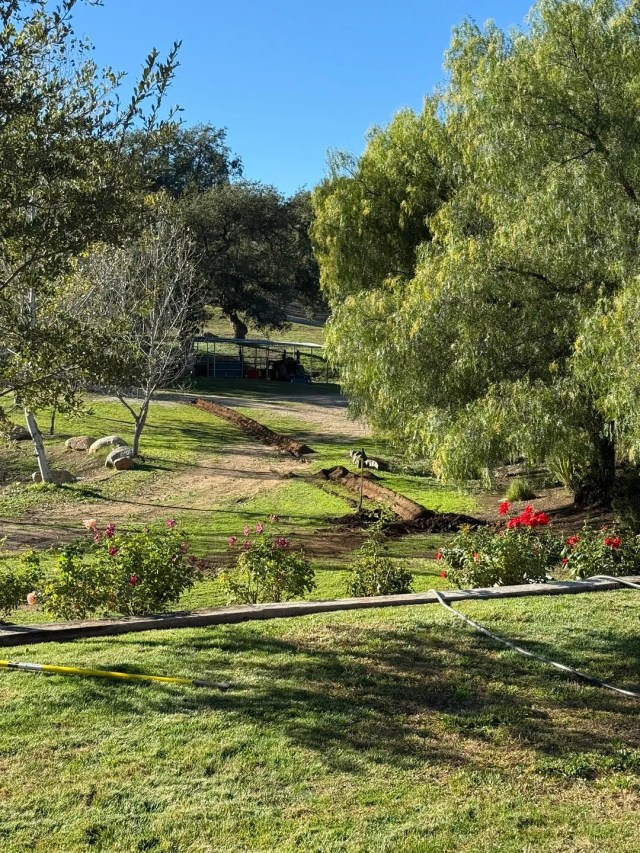
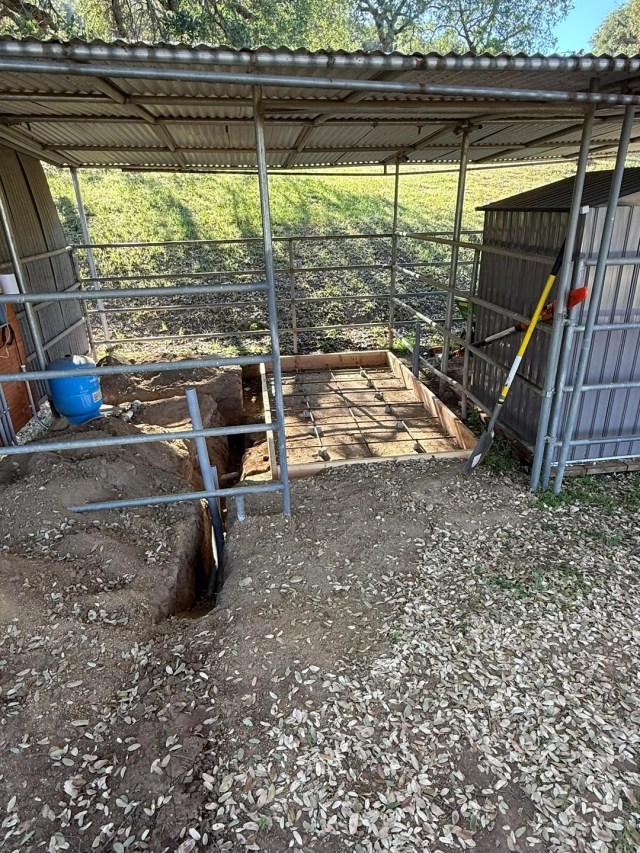
According to the OP, tying the system together required substantial wiring and trenching. Nearly 370 feet of conduit runs between the house and a tractor shed, while six 2/0 wires and two No. 6 wires connect the inverters to the panel. The array is organized into four 13-panel series strings, with two strings feeding each inverter through direct PV inputs.
Commenters were impressed by both the build's ambition and the work required to pull it off. One commenter wrote, "You're living my dream, friend," while others focused on the system's scale and the planning needed to live fully off-grid.
Another commenter reacted to the amount of foundation work by writing, "THIRTY TWO 12" x 5' piers?! You're a madman," before adding that the setup "exemplifies the best of this sub."
More background
County requirements also influenced how the project had to be built. The OP said the 2-inch GRC rack structure had to be "floated off the dirt per RIVCO permit," and the slab in the old horse shed needed a 6-inch base, rebar, and another 6 inches of concrete.
Save $10,000 on solar panels without even sharing your phone number Want to go solar but not sure who to trust? EnergySage has your back with free and transparent quotes from fully vetted providers that can help you save as much as $10k on installation. To get started, just answer a few questions about your home — no phone number required. Within a day or two, EnergySage will email you the best local options for your needs, and their expert advisers can help you compare quotes and pick a winner. |

The layout also emphasizes redundancy. Each inverter was matched with three batteries, and the system was configured in parallel so that "if something were to happen to one inverter or anything else the house can run on the other inverter."
For readers inspired by the project, going solar is one of the best ways to save money on home energy. Trying EnergySage can help you get free solar installation estimates and compare quotes. With EnergySage's help, the average person can save up to $10,000 on solar purchases and installations.
Meanwhile, EnergySage's solar map shows the average cost of a home solar panel system on a state-by-state level, along with details on solar panel incentives for each state.
And adding battery storage to a solar setup is also one of the best ways to protect your home during outages, save money on energy, and go off-grid. Readers interested in storage can explore EnergySage for information about home battery storage options, including competitive installation estimates.
More From EnergySage
💡Go deep on the latest news and trends shaping the residential solar landscape

Where can I learn more?
For more real-world examples, these articles show how homeowners are using solar and batteries to lower bills and stay powered through outages.
• An off-grid homeowner showed snow-covered solar panels still generate usable power when conditions line up.
• Across the U.S., homeowners are finding that battery storage with solar adds resilience and savings.
• Researchers found rooftop solar can ease household energy burdens for families facing high bills.

Get TCD's free newsletters for easy tips, smart advice, and a chance to earn $5,000 toward home upgrades. To see more stories like this one, change your Google preferences here.






