


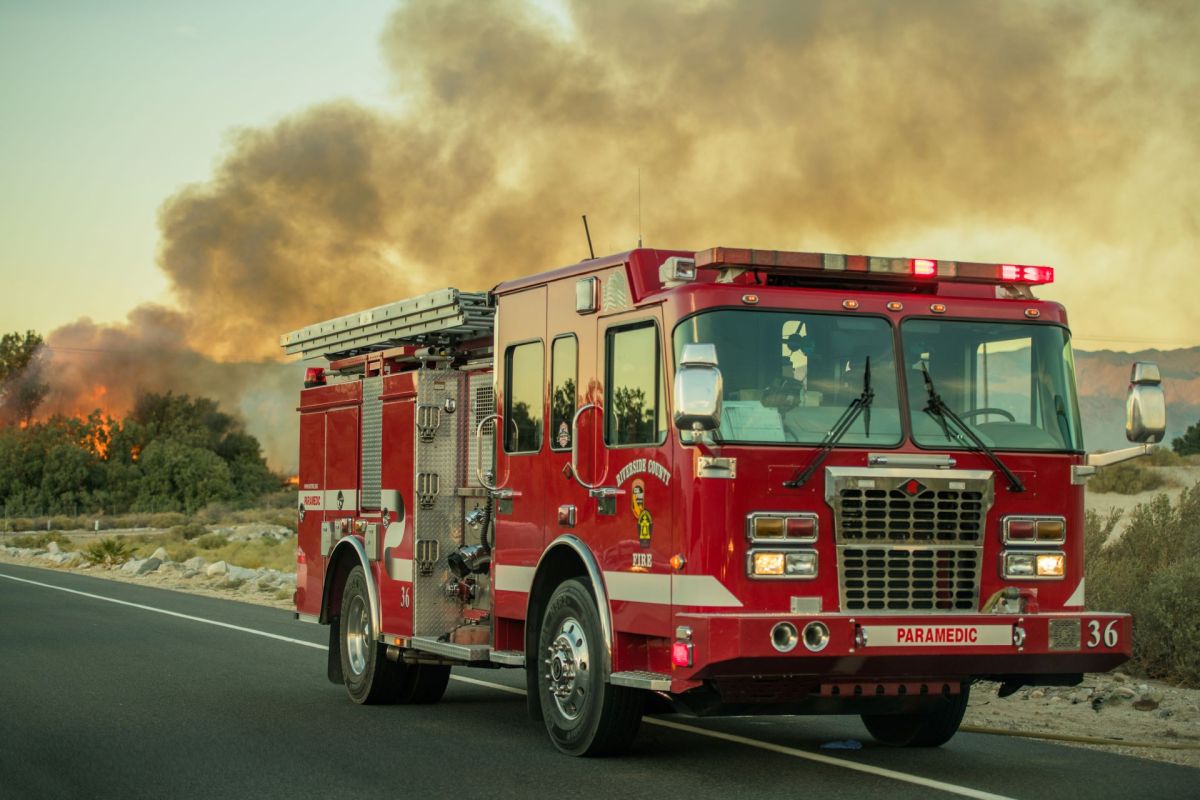
A California environmental justice organization has sued the U.S. Environmental Protection Agency over records connected to the Lineage Logistics fire in Boyle Heights. According to MyNewsLA, the fire sent toxic and hazardous substances into the air that reached nearby residents and burned for days, destroying millions of pounds of food stored at the facility.
The lawsuit argues the public still hasn't seen the air quality data that would show what residents breathed during those days.
Here's what to know
Filed in Los Angeles federal court, the lawsuit from California Communities Against Toxics says the EPA missed mandatory Freedom of Information Act deadlines while holding back records about its response to the June fire at the Lineage Logistics cold-storage facility. As MyNewsLA reported, CCAT is asking for air monitoring records collected on the ground, along with any communications between Los Angeles city and county officials and others about how far the chemical contamination reached.
The complaint also says ammonia escaped into the air in large quantities during the fire, raising concern about what nearby residents may have been exposed to.
In the filing, MyNewsLA reported, CCAT argued that "EPA's FOIA violations have thwarted CCAT's efforts to timely receive records in EPA's possession, have hampered CCAT's efforts to serve as an effective public interest watchdog over the EPA's activities, and threaten to interfere with CCAT's ability to use the records in its ongoing advocacy efforts related to alerting the public of issues concerning health risks from the Lineage chemical disaster."
An EPA representative declined to discuss specifics, noting that the agency generally stays silent on litigation that is still pending.
TCD Picks » Quince Spotlight
💡These best-sellers from Quince deliver affordable, sustainable luxury for all




More background
CCAT describes itself in the complaint as a nonprofit environmental justice group that works to shield communities from industrial pollution.
The EPA, the group says, has kept both its monitoring results and its internal communications about the fire response under wraps. Those records, it argues, would help residents, advocates, and local officials understand the extent of contamination after a major industrial incident.
The lawsuit casts the records fight as a transparency dispute tied to a chemical disaster in a Los Angeles neighborhood, where families were left to live with smoke and uncertainty for days.
CCAT's members "are located throughout the Boyle Heights neighborhood where the chemical disaster is taking place. EPA's air monitoring and communications regarding the chemical disaster caused by the facility are a matter of great public interest," the plaintiffs stated.
What's being done?
Through the Freedom of Information Act, CCAT is trying to force the EPA to release records the group says should already have been made public under federal deadlines.
The complaint says CCAT routinely relies on FOIA requests to get information about federal agencies' activities as part of its environmental justice work. In this case, it's seeking records on the fire's chemical fallout, as MyNewsLA reported.
Ground-based monitoring can provide a more direct picture of what nearby residents may have inhaled during and after the fire. The communications CCAT is seeking could reveal what officials knew, when they knew it, and how they assessed health risks tied to the site.
As CCAT put it in the complaint, "CCAT is harmed when it is denied timely access to records which it is entitled to."
Where can I learn more?
Communities go to court when questions about pollution and public health are left unanswered. The articles here cover lawsuits over federal chemical policy, state air-quality rules, and the unequal burden pollution places on nearby residents.
• National health advocates say the EPA's "reckless and legally untenable" decision created immediate uncertainty.
• Communities say "the stuff of nightmares" follows when the EPA ignores dangerous chemical risks.
• Farm and environmental groups sued after the EPA reapproved a devastating herbicide tied to Agent Orange.
• In Colorado, environmental groups challenged rules denying impacted communities benefits promised under air quality policy.
• In Washington, officials released troubling new findings showing air pollution hits some communities hardest.

Get TCD's free newsletters for easy tips, smart advice, and a chance to earn $5,000 toward home upgrades. To see more stories like this one, change your Google preferences here.






