


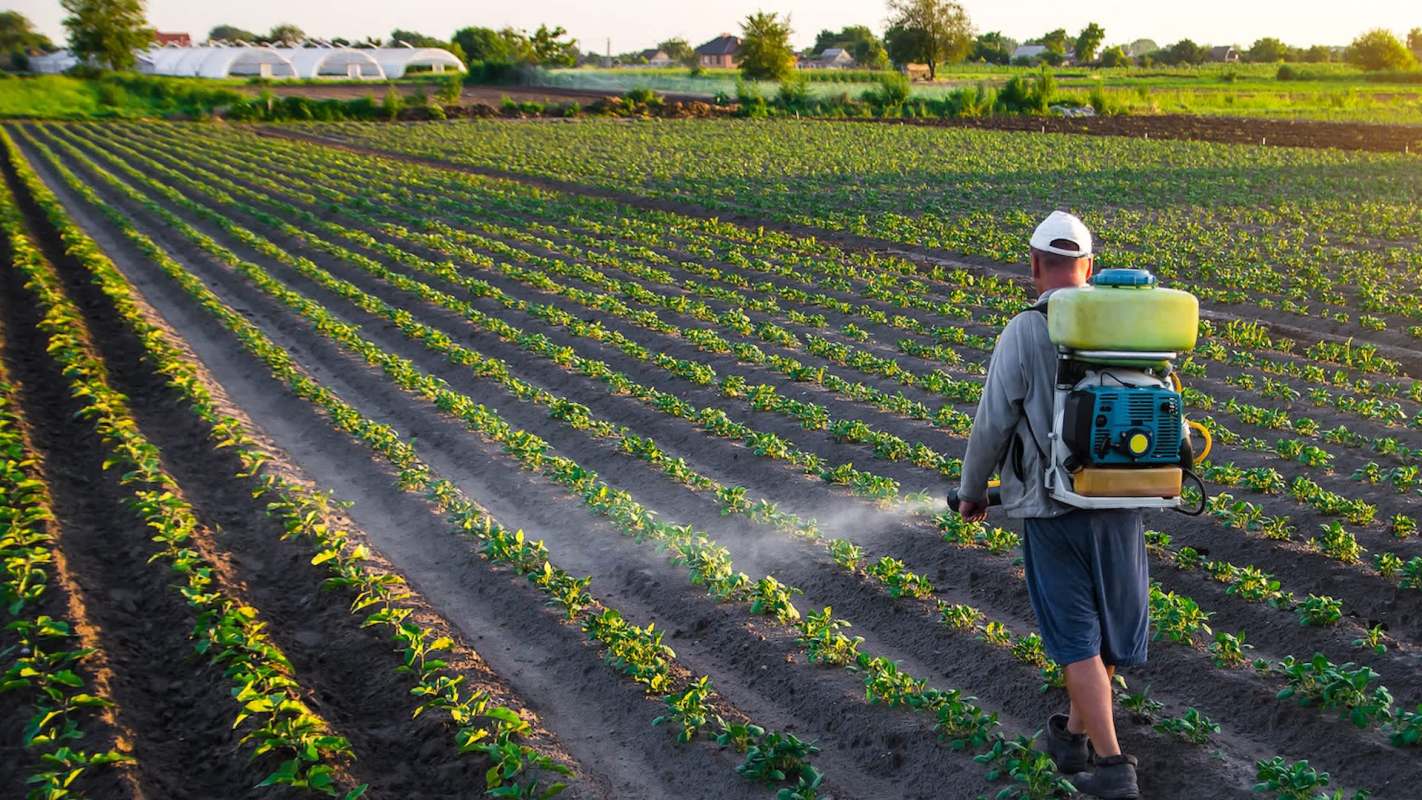
In a Sacramento legislative hearing room, farmworkers, family members, and advocates recounted pesticide drift, ongoing illness, and harm they say began for some children before birth.
Taken together, their stories pointed to the same conclusion for lawmakers: the state's pesticide oversight is not protecting the communities closest to agricultural fields.
Here's what to know
During a joint oversight hearing convened by Assemblymember Damon Connolly, who leads the Assembly Environmental Safety and Toxic Materials Committee, and Senator Catherine Blakespear, chair of the Senate Environmental Quality Committee, residents and specialists argued that California's Department of Pesticide Regulation has been too slow to remove hazardous chemicals and shield nearby neighborhoods/
The scale of use remains immense. In 2023, California growers applied more than 49 million pounds of pesticides banned elsewhere, according to Inside Climate News, including over 8.5 million pounds of chloropicrin and more than 7 million pounds of the cancer-causing fumigant 1,3-dichloropropene, which is banned in 40 countries.
People who testified said fieldwork had left them directly in the path of sprays and linked those exposures to illnesses such as asthma and liver disease. They also told lawmakers about premature births and children with birth defects, autism, ADHD, and other developmental challenges.
Physician and environmental epidemiologist Ana María Mora summed up the danger clearly, telling lawmakers, "Exposure to pesticides is universal, and it begins before birth."
TCD Picks » Quince Spotlight
💡These best-sellers from Quince deliver affordable, sustainable luxury for all




Speakers also stressed that Latino communities bear a disproportionate share of the risk. Jacob Sandoval of the League of United Latin American Citizens said that residents in 11 majority-Latino California counties were four times more likely to experience an acute pesticide-related illness than people in the 25 counties with the lowest share of Latino residents.
More background
Advocates said that reputation masks a major gap: even with California's image as an environmental leader, it still permits broad use of chemicals that many other countries have already rejected over health concerns.
One chemical drawing particular scrutiny is chloropicrin. Used as a choking agent during World War I, it has remained under state "re-evaluation" since 2001. A 2019 study in Environmental Health linked agricultural uses of chloropicrin to more than 1,000 pesticide-related illnesses in California from 2000 through 2015.
Mora pointed to the long-running CHAMACOS study in the Salinas Valley as another warning sign. Researchers found pesticide breakdown products in the urine of every pregnant participant at levels far above the U.S. average, as well as in 97% of breast milk samples and in dust from nearly all homes.
The consequences are not limited to the fields: pesticide exposure can affect pregnancies, children's brain development, lung health, and long-term heart and metabolic health in communities beyond the farm.
What's being done?
Connolly said that this was the first oversight hearing on the Department of Pesticide Regulation. He also pointed to Assembly Bill 2113 as a measure that increased funding and pushed the state toward safer pest management.
Karen Morrison, director of the Department of Pesticide Regulation, said the agency is working to improve and that new investments will help it "expand the efficiencies, urgency and transparency of our work."
Critics said those promises still fall short on disclosure. Families are not told the exact locations where dangerous pesticides may be sprayed near homes, schools, and playgrounds.
After the state sought more toxicology data on paraquat products, their manufacturers voluntarily withdrew California registrations. Democratic Assemblymember Nick Schultz said that response should worry the public because the companies chose to retreat instead of supplying the information regulators had requested.
Advocates, including Angel Garcia, co-director of Californians for Pesticide Reform, called for faster bans on the most toxic chemicals, reviews of cumulative exposures, and action on financial conflicts they say may discourage stronger regulation.
Farmworker activist Dolores Huerta put it plainly: "Let's get rid of some of these poisonous pesticides. Our people are dying."

Get TCD's free newsletters for easy tips, smart advice, and a chance to earn $5,000 toward home upgrades. To see more stories like this one, change your Google preferences here.







