


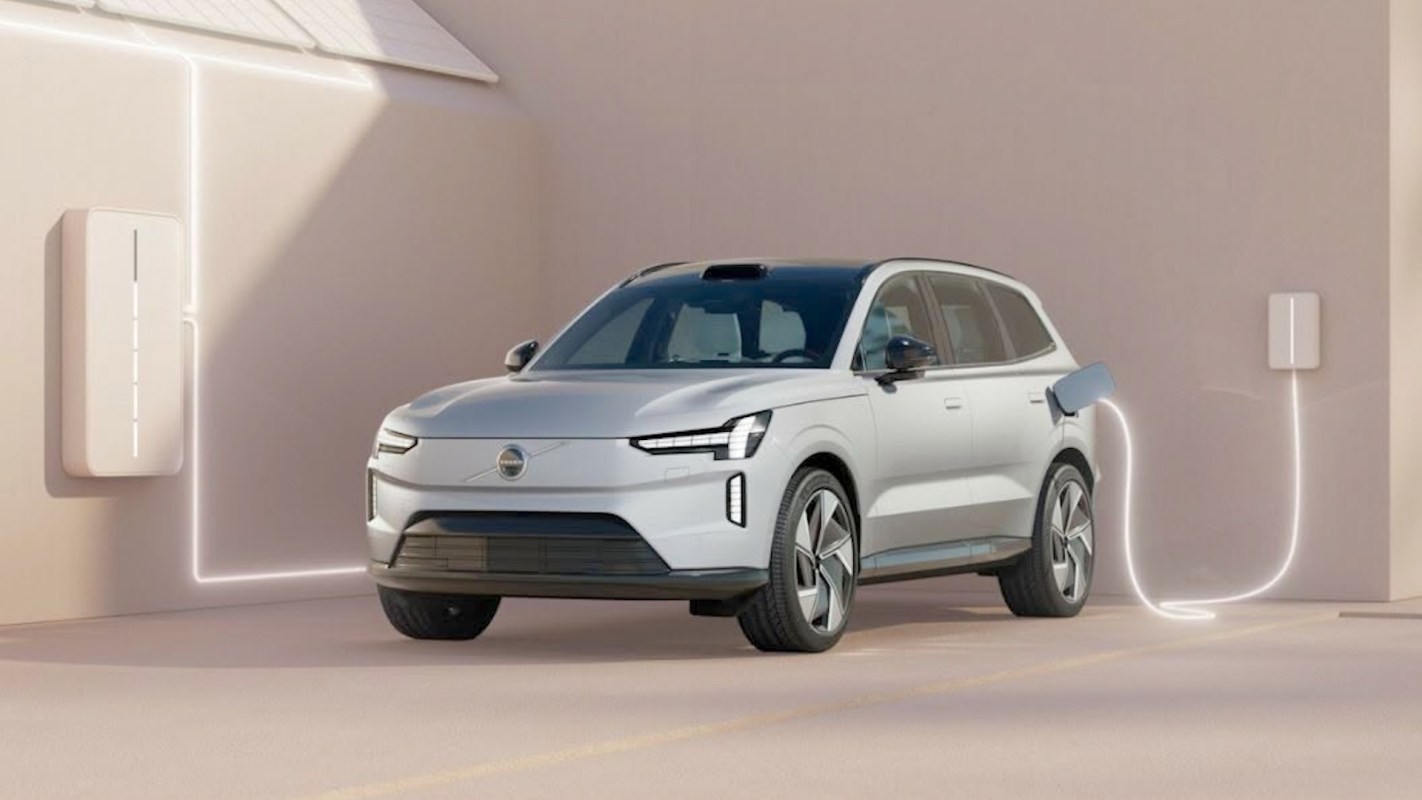
As electric vehicles become more popular, people are discovering that their EVs can do things that are not possible with a gas-powered automobile.
For example, with the right equipment, EV batteries can be used as part-time backup power systems for a home.
To explore this potential further, California is launching a state-funded pilot program to study whether parked EVs can keep the lights on during outages and send electricity back to the grid when demand climbs.
What's happening?
As WAMC reports, California-based Bidirectional Energy is equipping 120 homes with equipment that will allow their EVs to charge their home or feed power back to the electrical grid. These two uses are known as vehicle-to-home (V2H) and vehicle-to-grid (V2G).
Because today's EVs carry sizable battery packs, a single car can store enough electricity to cover the needs of an average home for several days. In a V2H setup, that energy is used inside the house as backup power. With V2G, the stored electricity can instead be sent outward when the grid needs extra supply.
As part of the pilot, Bidirectional Energy is installing the necessary hardware in participating homes. The broader aim is to create shared standards for these systems, similar to the ones already used for typical EV chargers and residential backup batteries.
Why does it matter?
One potential benefit for households is flexibility. In places with lower off-peak electric rates, EV owners could charge when power is cheaper and then use that stored energy at home later, when rates are higher.
Additionally, battery storage is one of the best ways to protect a home during outages because it can keep essentials such as refrigeration, lights, and internet service running when the grid goes down. It can also help lower energy costs by shifting electricity use away from peak pricing and may help households move closer to going off-grid.
Save $10,000 on solar panels without even sharing your phone number Want to go solar but not sure who to trust? EnergySage has your back with free and transparent quotes from fully vetted providers in your area. To get started, just answer a few questions about your home — no phone number required. Within a day or two, EnergySage will email you the best options for your needs, and their expert advisers can help you compare quotes and pick a winner. Solar panels can save you more than $50k over their 25-year lifespan, and EnergySage can help you save as much as $10k on installation. Which begs the question — isn't that worth an email or two? |

If you're exploring backup options, check out EnergySage's free tools to compare home battery storage options and get competitive installation estimates. EnergySage has teamed up with the electrification brand Qmerit to guarantee you get the best price on home battery storage solutions. Another strong option is Pila, whose plug-and-play batteries are priced at a fraction of what a whole-home backup system would cost.
What's being done?
For now, adoption remains limited because only some EV models can handle bidirectional charging, and few homes have the setup required to take advantage of the feature.
However, by installing bidirectional functionality in 120 homes, California hopes to work through the practical details of how these systems are connected, operated, and approved. Clearer standards could make the technology easier for homeowners, installers, automakers, and utilities to adopt on a larger scale.
If this pilot helps establish workable guidelines for V2H and V2G, parked EVs may soon be seen as more than transportation. They could become a mainstream way to keep homes powered, lower energy costs, and support a cleaner, more resilient grid.

Get TCD's free newsletters for easy tips, smart advice, and a chance to earn $5,000 toward home upgrades. To see more stories like this one, change your Google preferences here.






