


Water systems have struggled for years with how to remove "forever chemicals" from water. Researchers at the University of California, Riverside, have found a set of chemical reactions that clarify the role ultraviolet light can play in taking those pollutants apart.
Here's what to know
UC Riverside said the work, published in the journal Nature Water and detailed by Phys.org, traces the chemistry behind UV-driven treatment of PFAS — short for per- and polyfluoroalkyl substances. By spelling out those reactions, the study gives researchers a clearer basis for improving cleanup methods.
PFAS are often called "forever chemicals" because they are remarkably persistent. Their carbon-fluorine bonds are so strong that the compounds can resist breaking down in nature and can be difficult to destroy even during treatment.
Rather than stopping at the conclusion that UV harms PFAS, the researchers identified specific reaction pathways and the byproducts produced when treatment starts cutting through the carbon-fluorine bonds that make the chemicals so durable.
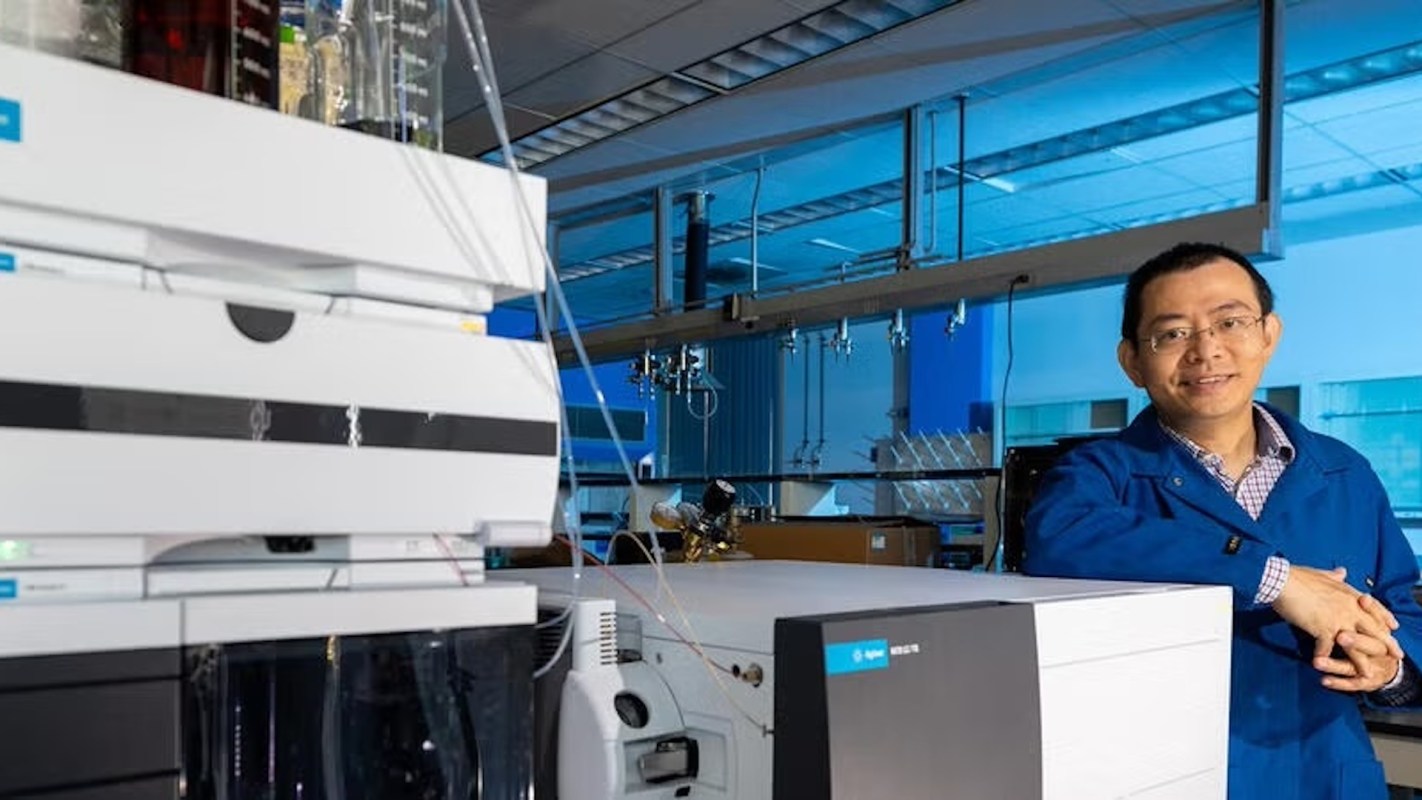
Jinyong Liu, a UC Riverside associate professor of chemical and environmental engineering and the study's corresponding author, said the analysis shows what occurs when those unusually tough bonds are broken, offering a path to designing better cleanup technologies.
According to Phys.org, the researchers also showed that UV treatment can turn forever chemicals into fluoride. This gives scientists a way to judge whether a process is actually destroying PFAS rather than just converting them into different substances.
TCD Picks » Quince Spotlight
💡These best-sellers from Quince deliver affordable, sustainable luxury for all




More background
PFAS contamination has become a major environmental and public health concern. These chemicals have been widely used in industrial processes and consumer products, and that durability is exactly what makes them so problematic once they enter water supplies.
PFAS have been linked to a number of human health issues when they enter the human body, from reproductive problems, developmental harm, and an increased risk of some cancers, according to the Environmental Protection Agency.
For communities, the challenge is not only detecting PFAS but also figuring out how to eliminate them safely and efficiently. A treatment system that only partially breaks the chemicals down may leave utilities and regulators with even more questions about what remains in the water afterward.
What's being done?
This research gives engineers a stronger scientific foundation for developing PFAS treatment systems that use UV light more effectively. Instead of treating UV as a black box, they can use the newly identified reactions to refine operating conditions and gauge whether the process is truly destroying the contaminants.
That kind of insight can also help researchers compare UV treatment with other PFAS cleanup approaches. If scientists know which intermediates and byproducts to expect, they can better determine which methods are safest and most efficient for real-world water treatment.
Where can I learn more?
Scientists are trying various methods to break PFAS down. Understanding how UV-driven chemistry fits among the treatment options utilities may consider is a useful step to improving water quality.
• Intense UV light can work with water to break apart PFAS.
• In drinking water tests, scientists destroyed 95% of toxic forever chemicals in just 45 minutes.
• At Purdue, engineers developed technology to effectively eliminate hazardous chemicals from water systems.
Researchers are pushing to make PFAS treatment something engineers can measure, compare, and steadily improve.

Get TCD's free newsletters for easy tips, smart advice, and a chance to earn $5,000 toward home upgrades. To see more stories like this one, change your Google preferences here.






