


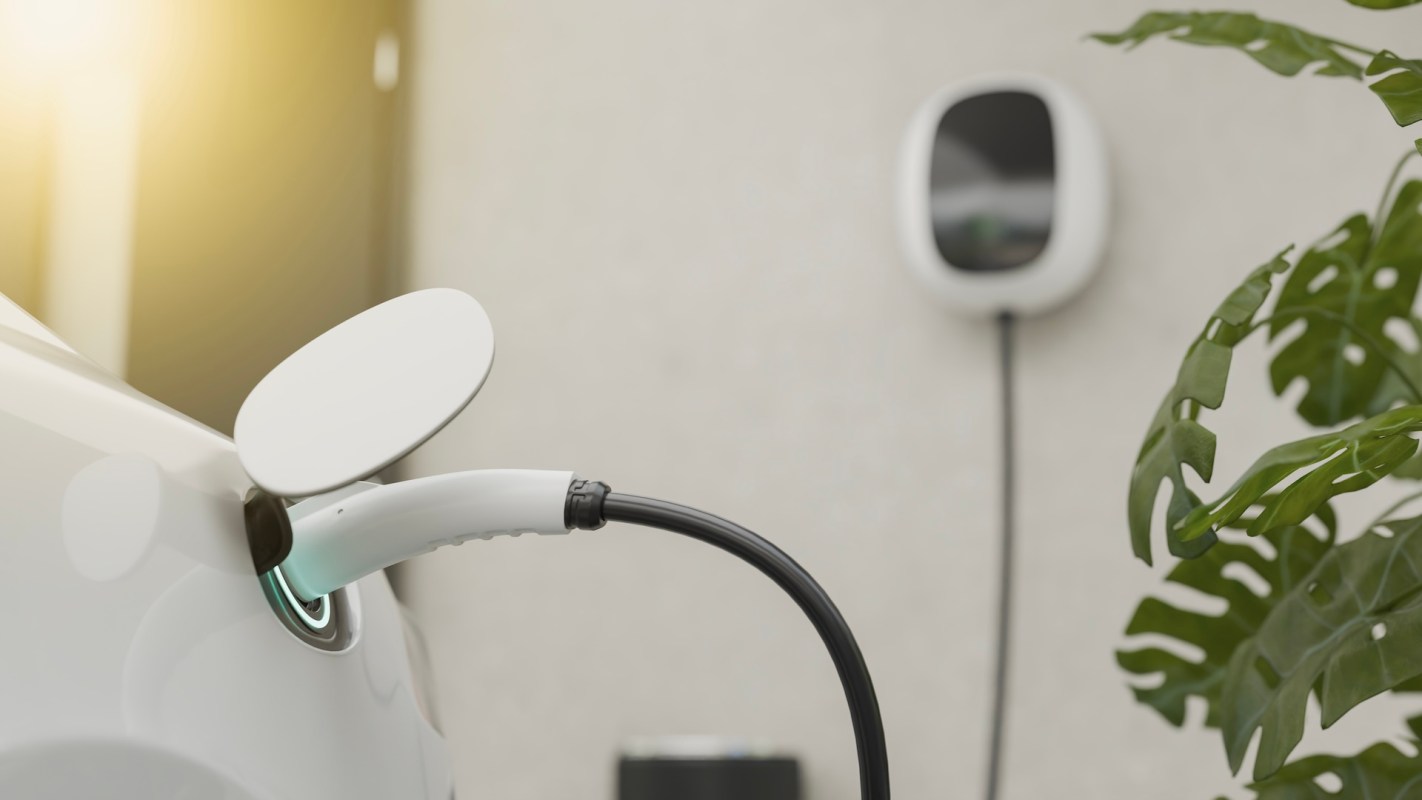
Among the nation's top five counties for electric-vehicle ownership, all five are in California.
New census data revealed that Santa Clara County, in the heart of Silicon Valley, led the nation with 24.1% of households — about 163,000 homes — reporting at least one EV.
Here's what to know
Approximately 7.3 million households across the United States reported having an EV, according to the U.S. Census Bureau. That amounts to 5.5% of the nation's 134 million households.
California also led the nation in EV ownership at the state level, with 13.8% of occupied households reporting owning at least one EV. The state led among both homeowners and renters, the census data showed.
Nationwide, 6.4% of owner-occupied households had at least one EV, compared to 3.6% of renter households. In California, those figures reached 17.7% and 8.9%, respectively.
Other states
With California the clear leader in households with EVs, the states that trailed it were spread across the U.S. geographically. Washington recorded an 8.9% share of households with EVs, followed by Hawai'i at 8.5%, Nevada at 8.2%, and Vermont at 7.7%.
TCD Picks » Quince Spotlight
💡These best-sellers from Quince deliver affordable, sustainable luxury for all




At the other end of the rankings were the states with the lowest percentage of households that reported owning at least one EV. North Dakota recorded a 1.3% share, while Wyoming and Louisiana each reported 1.6%. South Dakota and Mississippi came in at 1.8%.
Outside California, counties with some of the highest shares included Boulder County, Colorado, and Loudoun County, Virginia, both at 13.9%, along with King County, Washington, at 13.4%. The Census Bureau found no statistically significant differences among those three county estimates.
More background
The U.S. Census Bureau had not previously collected this EV-ownership data, so there were no previous results to compare the figures to. Beginning in 2025, the American Community Survey began asking questions about alternative energy for the first time.
For the purposes of the question, leased EVs counted alongside purchased ones. To capture both, the survey asked every household that kept a vehicle at home whether it owned or leased an EV.
An EV did not need to be fully electric to qualify under the Census Bureau's definition, as plug-in hybrids also qualified. The figures therefore did not capture only households driving fully battery-powered cars. Also, the Bureau did not ask how many EVs each household owned or leased.
Where can I learn more?
EV ownership comes with questions about where to charge, what electricity costs, and how vehicles could help store power for the grid.
• California's parked EVs could meet one-third of storage goals if 10% of owners enroll.
• A California bill would cut household power bills using batteries, EVs, and smart thermostats.
• California signed legislation to speed charger installation and expand EV access for renters.
• California voters support EVs, but most opposed banning new gas-car sales in 2035.
• In Santa Barbara, EV test drives helped drivers weigh costs, charging, and range.

Get TCD's free newsletters for easy tips, smart advice, and a chance to earn $5,000 toward home upgrades. To see more stories like this one, change your Google preferences here.






