


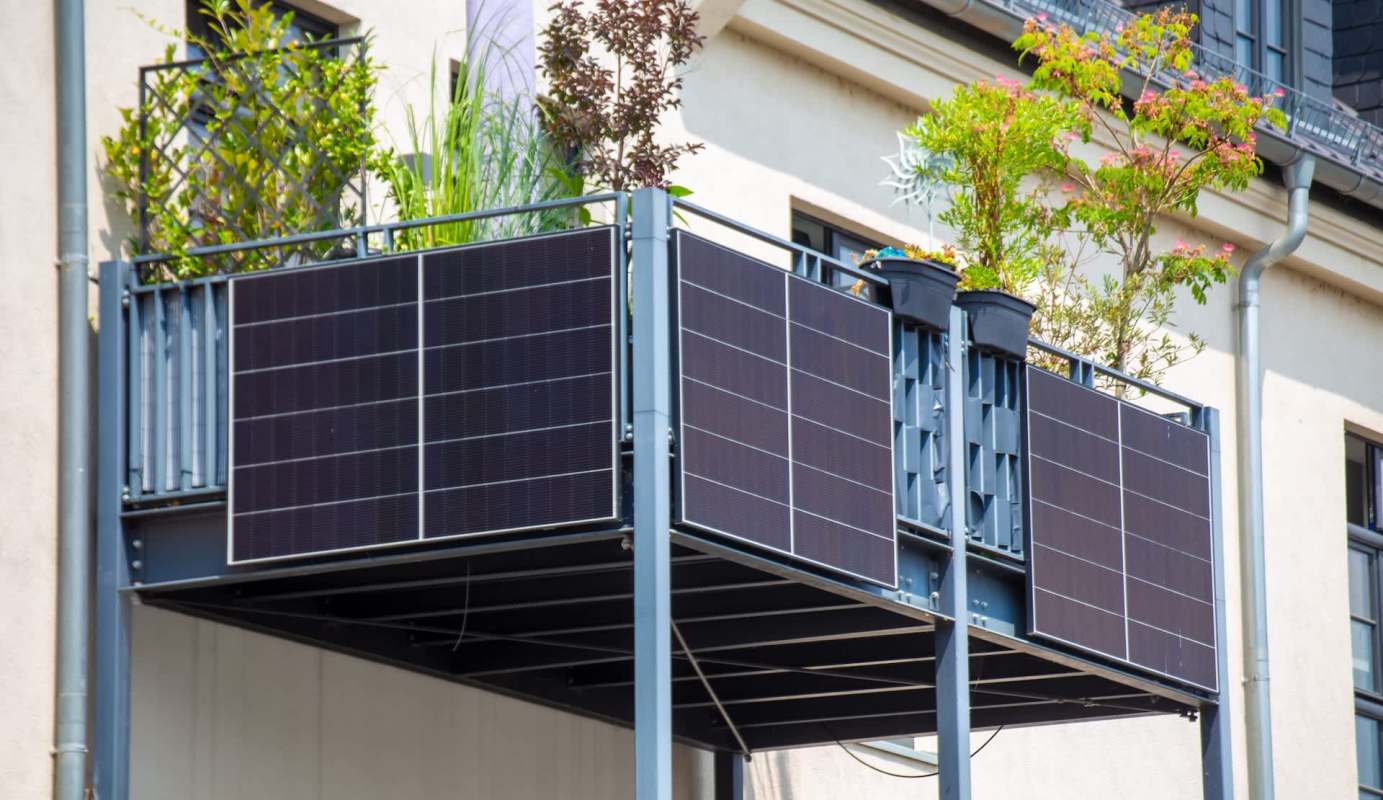
For millions of Americans who can't install rooftop solar, especially renters, small plug-in panels could soon offer a much easier way to lower electricity costs.
A bill moving through the California Legislature could make that option far more accessible, potentially saving households a few hundred dollars a year.
What's happening?
California Senate Bill 868, also called the Plug and Play Solar Act, could allow many more residents to access bill-slashing solar power, which has long been only available to homeowners.
The bill, introduced by State Senator Scott Wiener (D-San Francisco), passed the Senate by an overwhelming 35-1 vote and is now awaiting consideration in the Assembly, per the Sacramento Bee.
If it becomes law, small plug-in solar setups, portable panels commonly placed on balconies or patios and connected through a standard 120-volt outlet, would face many fewer permitting hurdles and utility approval requirements.
Why does it matter?
Supporters say the timing matters because electricity has been getting more expensive. The Sacramento Bee noted that retail power bills are rising a whopping 61% faster than inflation.
TCD Picks » Quince Spotlight
💡These best-sellers from Quince deliver affordable, sustainable luxury for all




And plug-in solar could open the door for groups that have largely been left out of traditional rooftop systems, especially renters and lower-income households. Roughly 70% of Americans cannot use rooftop solar because they rent or cannot afford the upfront expenses, among other reasons, according to the outlet. Meanwhile, plug-in setups could trim between $200 and $400 a year from household bills without requiring permanent structural changes.
These systems can also help reduce strain on an already overstressed electric grid during hot summers while replacing electricity that might otherwise come from coal, oil, or gas.
California is part of a broader push to expand do-it-yourself solar, with bipartisan bills introduced in more than half of U.S. states. Ten states have now legalized balcony solar, five states are actively debating it in their legislatures, and two more (including California) have had legislation pass one of two chambers.
To see what the status is of plug-in solar legislation in your state, check out Bright Saver's state-by-state legislation tracker.

Get TCD's free newsletters for easy tips, smart advice, and a chance to earn $5,000 toward home upgrades. To see more stories like this one, change your Google preferences here.






