


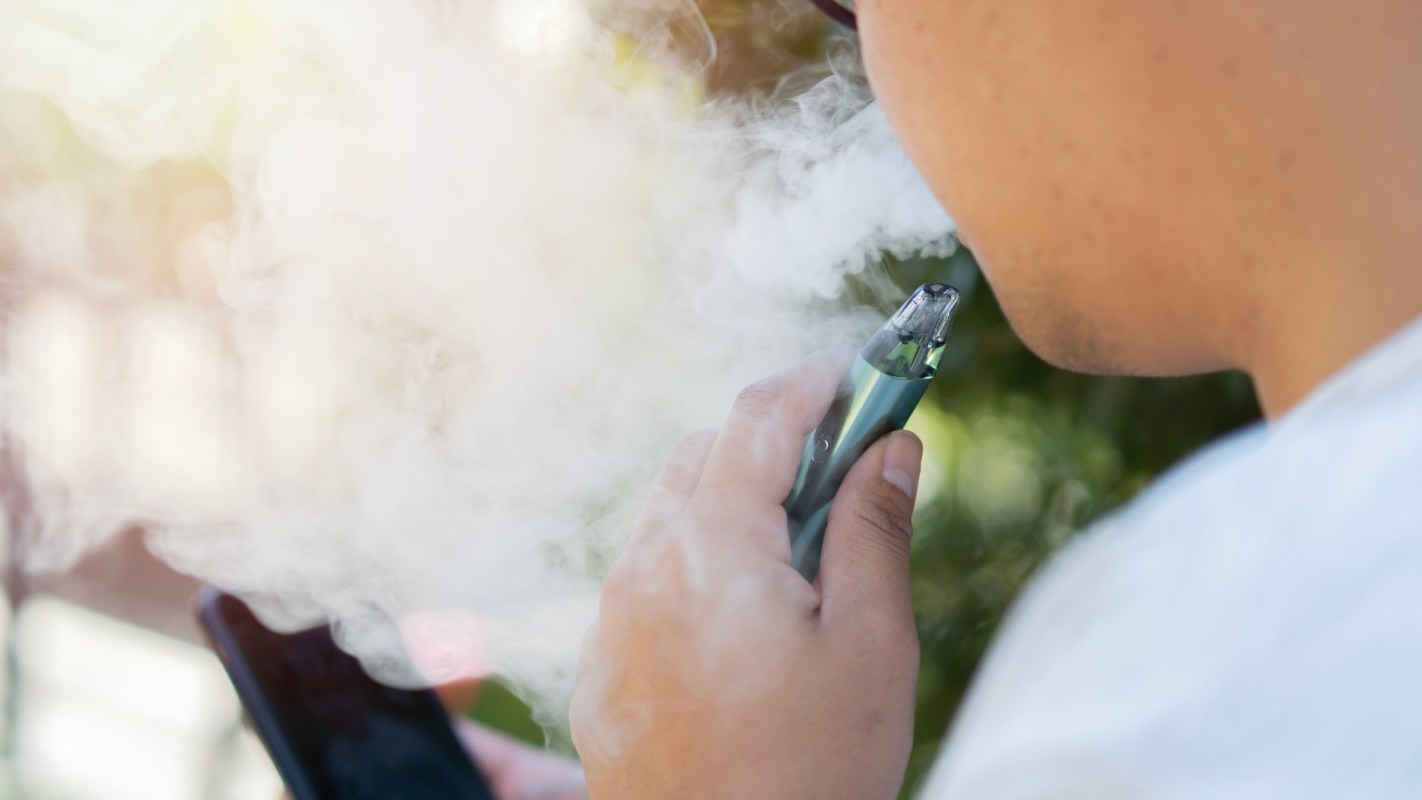
California could become the next state to take aim at a fast-growing waste problem.
For backers of the proposal to ban disposable vapes powered by lithium batteries, the bigger concern is what happens after these products are thrown away.
Discarded single-use vapes can ignite fires in trash and recycling systems, and the damage and expense can ultimately fall on communities.
What happened?
A bill moving through the California Legislature would stop disposable nicotine vapes from being sold in the state starting in 2028 and would impose fines of up to $500 for the first violation and up to $2,000 for further violations.
According to CalMatters, supporters have said the legislation is aimed at preventing fires linked to e-cigarettes that are discarded with their lithium batteries still inside.
The bill's author, Democratic Assemblymember Jacqui Irwin of Thousand Oaks, said it is also meant to shift buyers away from throwaway devices and toward reusable vape options.
TCD Picks » Quince Spotlight
💡These best-sellers from Quince deliver affordable, sustainable luxury for all




Co-sponsor Nick Lapis of Californians Against Waste called disposable vapes "a ticking time bomb that can be easily prevented."
The measure has already passed the revenue and tax committee and now goes to appropriations. If the bill ultimately becomes law, disposable vapes would join a range of single-use products California has restricted in recent years.
Why does it matter?
When lithium batteries are tossed in the trash, they can spark fires.
Backers of the measure have highlighted a 2016 blaze at a San Mateo County recycling facility that was caused by a lithium battery and resulted in $8.5 million in damage, along with sharply higher insurance costs.
The financial consequences can spread beyond the site itself, showing up in higher garbage bills and cleanup costs paid by taxpayers.
Fires at waste facilities can endanger workers and nearby communities while releasing smoke and pollution into the air. Reducing products designed for brief use and quick disposal could help lower those risks while also cutting down on unnecessary battery waste.
What's being done?
Advocates for the bill have said it targets the disposable form of vaping products, not vaping as a whole. Irwin described it as a basic product-design issue, saying, "We do not throw away our phones or our laptop after one week of use and we should not treat any other lithium devices differently."
Not everyone is on board. As CalMatters reported, law enforcement groups and the California Fuels & Convenience Alliance have argued that the bill could push more consumers toward illegal products, which they say are already a major source of litter and fire risk.
Alessandra Brichetto of the California Fuels & Convenience Alliance said, "That's the fundamental flaw on this bill. It assumes eliminating the legal market eliminates the problem. It doesn't."

Get TCD's free newsletters for easy tips, smart advice, and a chance to earn $5,000 toward home upgrades. To see more stories like this one, change your Google preferences here.






