


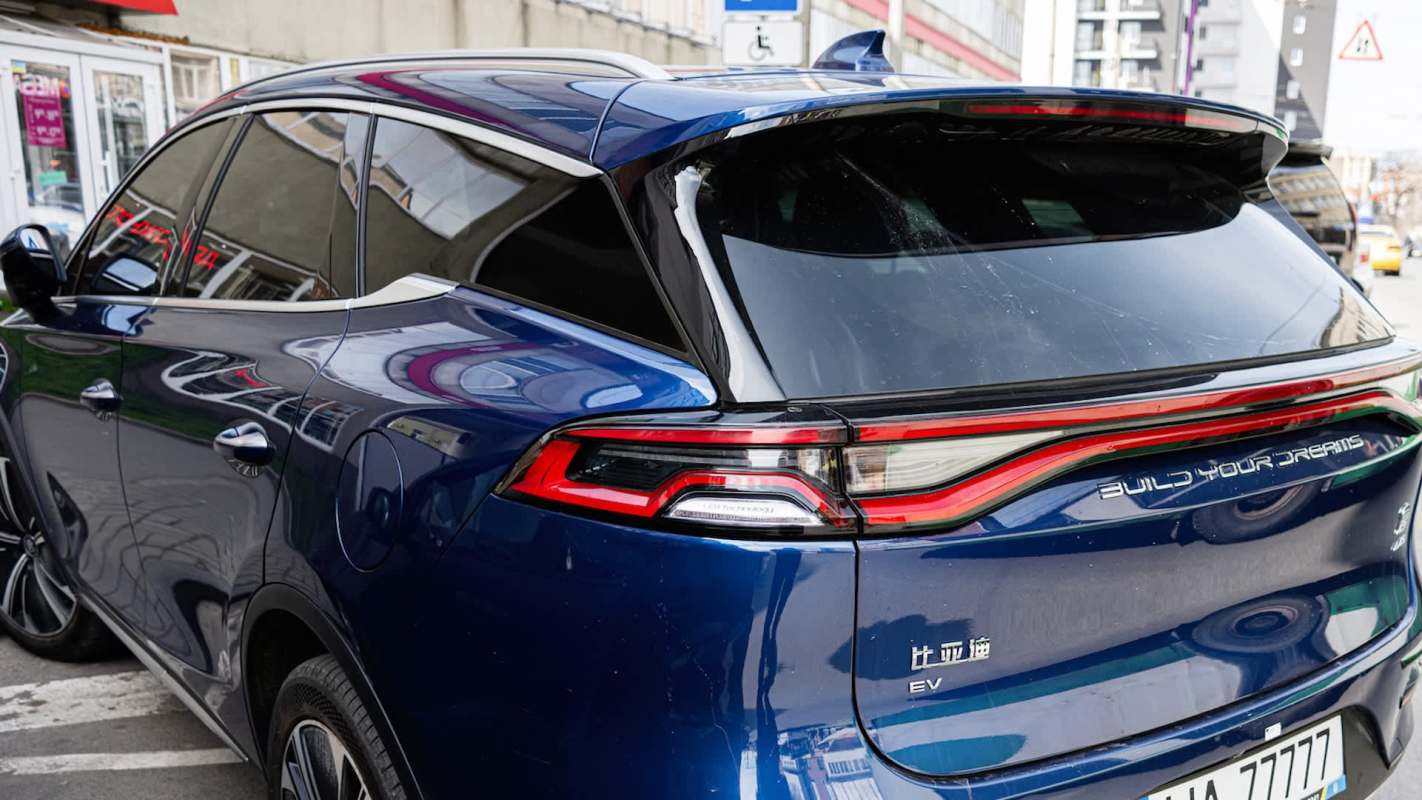
One BYD owner became frustrated after their electric vehicle stopped despite showing the battery still had some juice left.
What happened?
A Reddit post in r/electricvehicles from the owner of a 2022 BYD Tang said the SUV powered down twice before the battery display reached zero.
They became stranded twice in two months despite the dashboard showing about 15% charge.
The car then spent about a week at the dealer, which did not find a fault and instead pointed to the owner's charging habits as a possible reason.
The original poster, who said they were not a "car guy," asked whether that explanation made sense or whether the service department was simply "making something up."
In the replies, much of the discussion focused on BYD's use of lithium iron phosphate, or LFP, batteries, which several commenters said made the dealer's theory sound reasonable.
TCD Picks » Quince Spotlight
💡These best-sellers from Quince deliver affordable, sustainable luxury for all




One commenter wrote: "That's correct. Because BYD uses LFP batteries, it absolutely must be charged to 100% every now and then, otherwise it will lose its calibration and not know where 0% actually is."
Another added: "LFP packs can take 100% charges no problem. It's vital to give it a full 100% charge cycle every few charging cycles so it can properly calibrate."
Why does it matter?
Battery storage capacity is more than just a convenience — it can be the difference between getting home and getting stranded. A gauge that is out of calibration can lead to stress, missed appointments, towing costs, and extra trips to the dealer.
That is especially relevant as more automakers adopt LFP batteries, which are often favored for their durability and lower cost. EVs can save drivers substantial money over time through lower fueling and maintenance costs, but those savings can quickly shrink if an owner ends up paying for unnecessary diagnostics or roadside assistance.
Not all EV battery packs behave the same way. Some owners are used to hearing that frequent 100% charging is harmful, but commenters said LFP chemistry is different and can benefit from occasional full charges to help the battery management system estimate range more accurately.
What can I do?
If your EV uses an LFP battery, check the owner's manual for charging guidance. Some models specifically recommend charging to 100% on a regular basis so the car can keep its state-of-charge estimate accurate.
If you have noticed the battery percentage dropping unusually fast near the bottom — or the car shutting down earlier than expected — it may be worth tracking your charge habits before assuming there is a major defect. An occasional full charge could help you avoid another breakdown and potentially save you towing, diagnostics, and lost time.
It is also worth asking the dealer or manufacturer whether your vehicle has a battery calibration procedure or a software update available. If you are shopping for an EV, learning about the battery ahead of time can help you build the right charging routine from day one.

Get TCD's free newsletters for easy tips, smart advice, and a chance to earn $5,000 toward home upgrades. To see more stories like this one, change your Google preferences here.






