


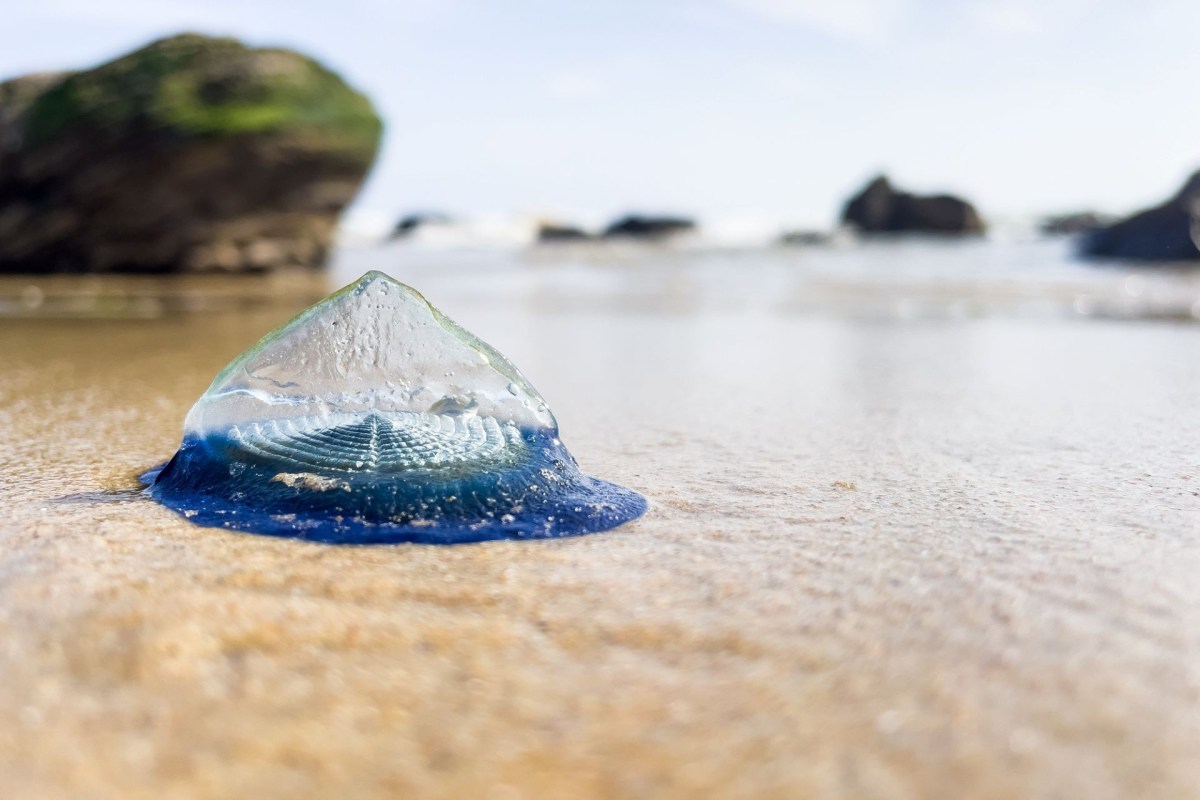
North Wales Live reported a striking wash-up of electric-blue sea life that drew attention on beaches in northwest Wales, where large numbers of the creatures left parts of the shoreline coated in what people called a "blue tide."
Many on the coast found the scene shocking enough to compare these unique animals with alien jellyfish. Specialists, however, said the episode could also reflect changing coastal patterns as warming seas continue to alter marine life.
What happened?
Reports came in from beaches across Anglesey and along Gwynedd. In Barmouth, one woman said "hundreds" of the creatures were spread over the beach, while a man called them "among the most bizarre things" he'd ever seen washed up on shore, according to North Wales Live.
Known as by-the-wind sailors, or Velella velella, these vibrant blue drifters are not jellyfish. They are colonial hydroids, meaning each one is made up of many tiny animals rather than being a single creature.
Each is typically about 7 centimeters (2.8 inches) long. They do not move on their own, instead relying on naturally occurring shifts in the wind to travel. They have a small, rigid sail that allows wind and currents to carry them along the water's surface.
Frankie Hobro, owner of Anglesey Sea Zoo in Bynsiencyn, said the timing was unusual.
TCD Picks » Quince Spotlight
💡These best-sellers from Quince deliver affordable, sustainable luxury for all




"They blow in on winter storms and are therefore noticed less often," Hobro told North Wales Live. "June is late in the season to see them. We had a warm spell in late May followed by an unsettled start to June, which may be why they're appearing now."
Why does it matter?
Mass strandings of by-the-wind sailors are not unheard of, but their appearance at this time of year could bring them into contact with more people.
"There were so many washed up one year the beach looked blue and the smell was awful," one woman recalled.
Beyond the otherworldly visual spectacle seen on the shores, researchers are also paying attention to what these sightings mean about changing marine conditions possibly attributed to rising temperatures.
Another issue Hobro highlighted was the growing overlap with species. She said Portuguese men o' war are appearing sooner in the year and more frequently.
"It shows how climate change is affecting ocean currents," Hobro said, per North Wales Live.
As warming driven by fossil fuel use alters ocean temperatures and weather patterns, marine species can be pushed into new places or arrive at unusual times, creating unexpected encounters for people along the coast.
What can I do?
Hobro said by-the-wind sailors are not considered dangerous in the way Portuguese men o' war are, but they still warrant caution because they have small stinging tentacles used to catch prey.
"I would always recommend covering up when in the sea," Hobro said, per North Wales Live. "By-the-wind-sailors are not dangerous, but their stings can irritate and you wouldn't want to touch your face or eyes if you've been in contact with one."
Hobro said a rash vest can reduce skin contact, while "swim socks or booties are a good idea" as more seasonal marine hazards begin appearing.
"We'll soon be seeing reports of more dangerous creatures like weever fish and Portuguese man o' war," she added.

Get TCD's free newsletters for easy tips, smart advice, and a chance to earn $5,000 toward home upgrades. To see more stories like this one, change your Google preferences here.






