


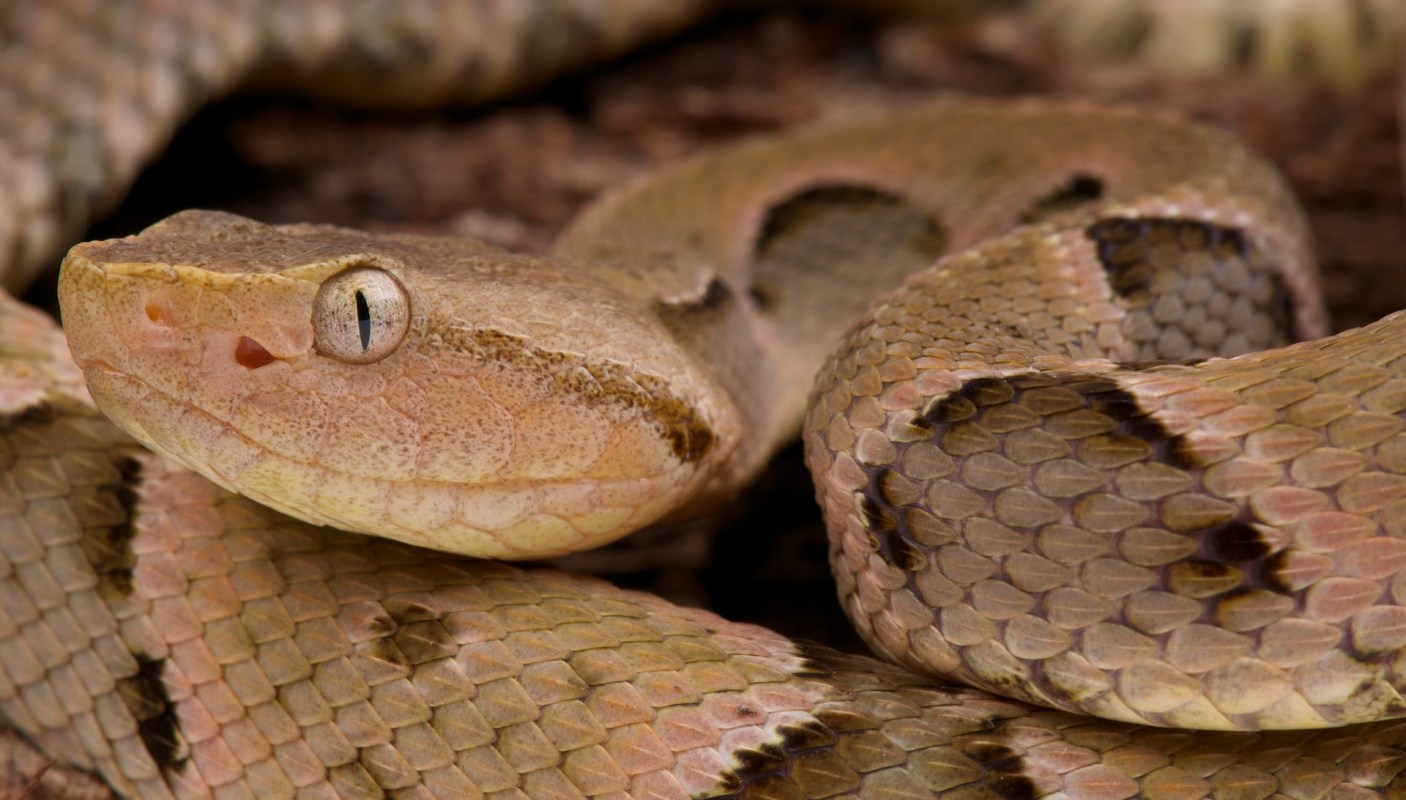
Near São Paulo, the Butantan Institute maintains a collection of highly venomous snakes whose venom is used to create lifesaving treatments.
Founded in 1901, the public health institution produces over 80% of Brazil's antivenoms. The organization is now poised to expand its research ties and impact well beyond its home country.
Here's what to know
The Butantan Institute plays a central role in Latin America's response to snakebites, a problem that affects more than 5 million people worldwide each year, according to The Telegraph.
The World Health Organization says snakebites cause between 82,000 and 138,000 deaths annually, and many survivors are left with amputations or permanent disabilities.
Brazil's health ministry alone records more than 30,000 snakebites a year, yet snakebite victims in the region have a much higher survival rate than in some other parts of the world. The Pan American Health Organization estimates Latin America's snakebite fatality rate at only 0.6%.
One major reason for this low fatality rate is how treatment is provided. Brazil's constitution requires the state to pay for medical care regardless of cost, transforming antivenom from a potentially expensive luxury into a treatment guaranteed by legal rights.
TCD Picks » Quince Spotlight
💡These best-sellers from Quince deliver affordable, sustainable luxury for all




The low fatality rate for snakebites in Brazil certainly is not due to a lack of highly poisonous snakes. Up to 90% of reported envenomings in Brazil come from bothrops vipers, whose venom can damage tissue, interfere with clotting, and leave lasting injuries, according to The Telegraph.
More background
The institute was originally founded around the turn of the 20th century to combat a bubonic plague outbreak. However, physician Vital Brazil soon redirected its work toward snakebites, which were killing large numbers of agricultural workers in São Paulo's coffee-growing areas.
Vital Brazil's research showed that antivenom must match the snake involved, a core principle that still shapes snakebite treatments today.
Antivenom production similarly depends on a longstanding method: venom is taken from live snakes, and horses receive small doses over time. Eventually, the horses' plasma is processed into serum.
This is not to say that snakebite medicine has not developed greatly in the past century, with one of the biggest advances in preservation. Brazil increasingly relies on freeze-dried antivenoms that can withstand heat and remain usable for years without refrigeration.
This advancement matters greatly in remote stretches of the Amazon, where reaching a clinic can take a 12- to 24-hour boat trip.
Standard liquid antivenom needs continuous cooling and close medical supervision, so a heat-stable powder form can significantly improve access for isolated communities.
The institute is also working to preserve hard-won scientific knowledge. After a 2010 fire destroyed much of its historic snake collection, Butantan rebuilt with safer storage, digital imaging tools, and new efforts to share data more broadly.
What's being done?
As curator of the Herpetological Collection, Dr. Felipe Grazziotin said the institute wants to digitize its 120-year archive and make it available worldwide.
That work spans Latin America and also includes partnerships with Portuguese-speaking African countries such as Angola and Mozambique.
Exchanging specimen data, fieldwork knowledge, and training could help improve antivenom science in places where snakebites still pose a large public health risk.
If you are looking for ways to support broader resilience efforts in vulnerable communities, you might consider donating money to climate causes, especially as environmental pressures intensify health risks in rural areas.
Meanwhile, the scientists and doctors of the Butantan Institute remain steadfastly devoted to helping communities throughout Brazil and around the globe.
"We are bringing colleagues here to work alongside us, conducting fieldwork over there, and helping them build their own national collections," Grazziotin said of the institute's efforts to share its hard-earned expertise. "The idea is to reduce regional disparities."
Where can I learn more?
The following articles explore new snakebite treatments, expanding bite risks, and venom research from around the world.
• At the University of Texas, a speedy new treatment may blunt deadly snakebite venom.
• Worldwide, rising snakebite threat could expose billions as venomous snakes shift habitats.
• In India, rising temperatures are worsening snakebite incidents and straining rural health systems.
• Across warming regions, mass spread of venomous snakes could increase dangerous human encounters.
• In eastern Uzbekistan, a Caspian cobra's deadly venom may hold clues for cancer treatments.

Get TCD's free newsletters for easy tips, smart advice, and a chance to earn $5,000 toward home upgrades. To see more stories like this one, change your Google preferences here.






