


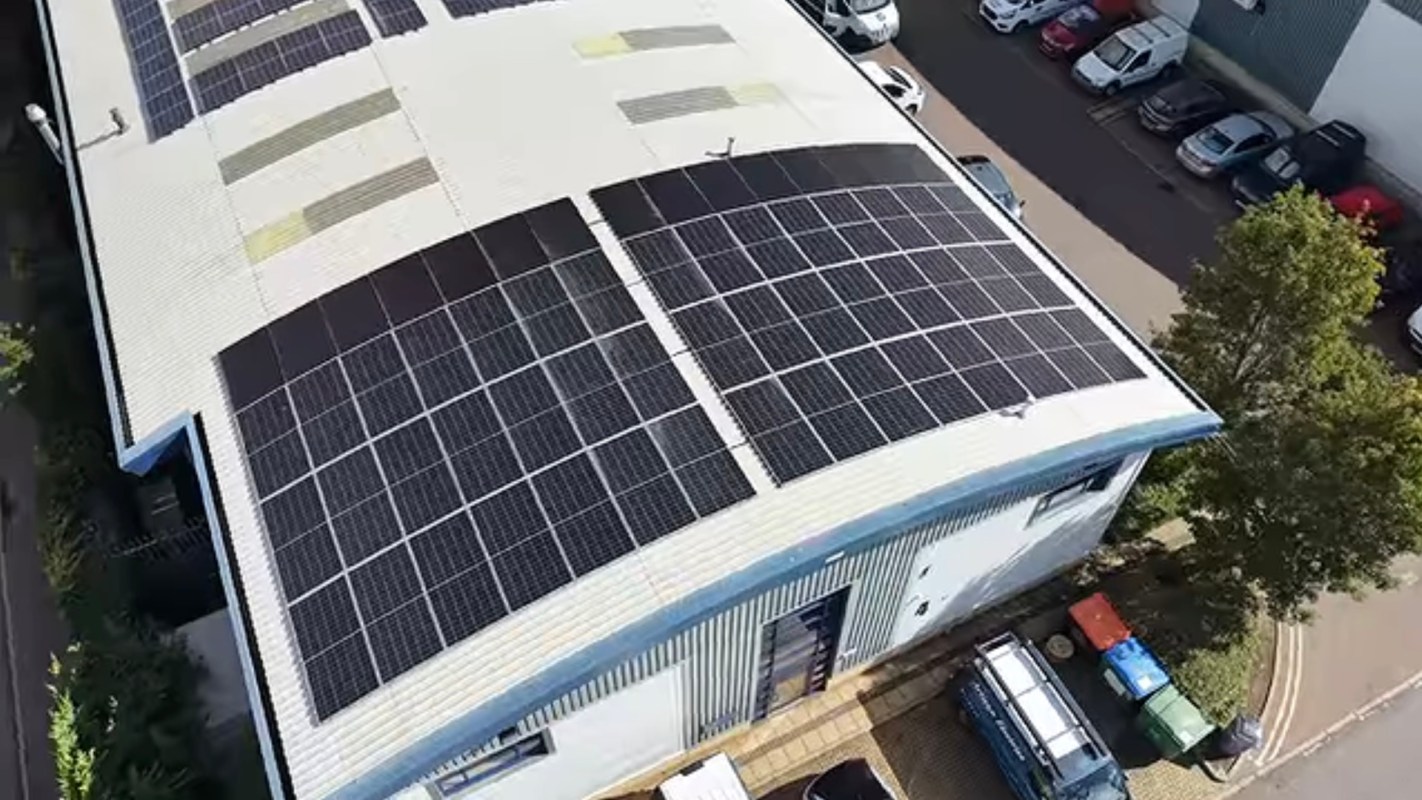
A business that installed a large solar system at its headquarters to stay operational through blackouts now has real-world results that can judge its system's effectiveness.
After a full year of data, including a power outage that forced nearby businesses to send workers home, the company found that its facility could keep running even when the grid went down. But it still wasn't exactly what it needed.
Here's what to know
In the caption of a YouTube video, the company, Artisan Electrics (@ArtisanElectrics) asked, "So… was it actually worth it? After 12 months, the numbers are in."
According to Artisan, the setup generated 25.5 megawatt-hours over the year, covering about 90% of the site's energy use while exporting 6 mWh back to the grid.
The system's backup capability was also put to the test under real-world conditions. During a local outage that caused nearby facilities to close down, Artisan HQ continued operating, with workers there initially not even realizing grid power had been lost, the video said.
Going solar is one of the best ways to save money on home energy, especially when a system is designed around your actual needs. Tools like EnergySage can help people get free solar installation estimates and compare quotes before committing.
More background
The installation combined 60 solar panels with 120 kilowatt-hours of battery storage. That was enough to handle most of the company's electricity demand while still leaving excess power available to send back to the grid.
Even so, Artisan said the project went beyond what its real energy use called for. After reviewing actual consumption, the company said a considerably smaller design would likely have done the job.
Save $10,000 on solar panels without even sharing your phone number Want to go solar but not sure who to trust? EnergySage has your back with free and transparent quotes from fully vetted providers that can help you save as much as $10k on installation. To get started, just answer a few questions about your home — no phone number required. Within a day or two, EnergySage will email you the best local options for your needs, and their expert advisers can help you compare quotes and pick a winner. |

Oversizing can mean spending more upfront on capacity that does not substantially improve day-to-day savings, even if it does provide additional backup capability.
Artisan also wondered, "How on earth do you clean 60 solar panels on a huge curved roof?"
While output totals get most of the attention, it's also important to consider long-term upkeep when installing panels.
If you're trying to price out a new home solar system, EnergySage's solar map shows the average cost of a home solar panel system and available incentives on a state-by-state level. Those resources can help homeowners get the best price for rooftop solar panels.
More From EnergySage
💡Go deep on the latest news and trends shaping the residential solar landscape
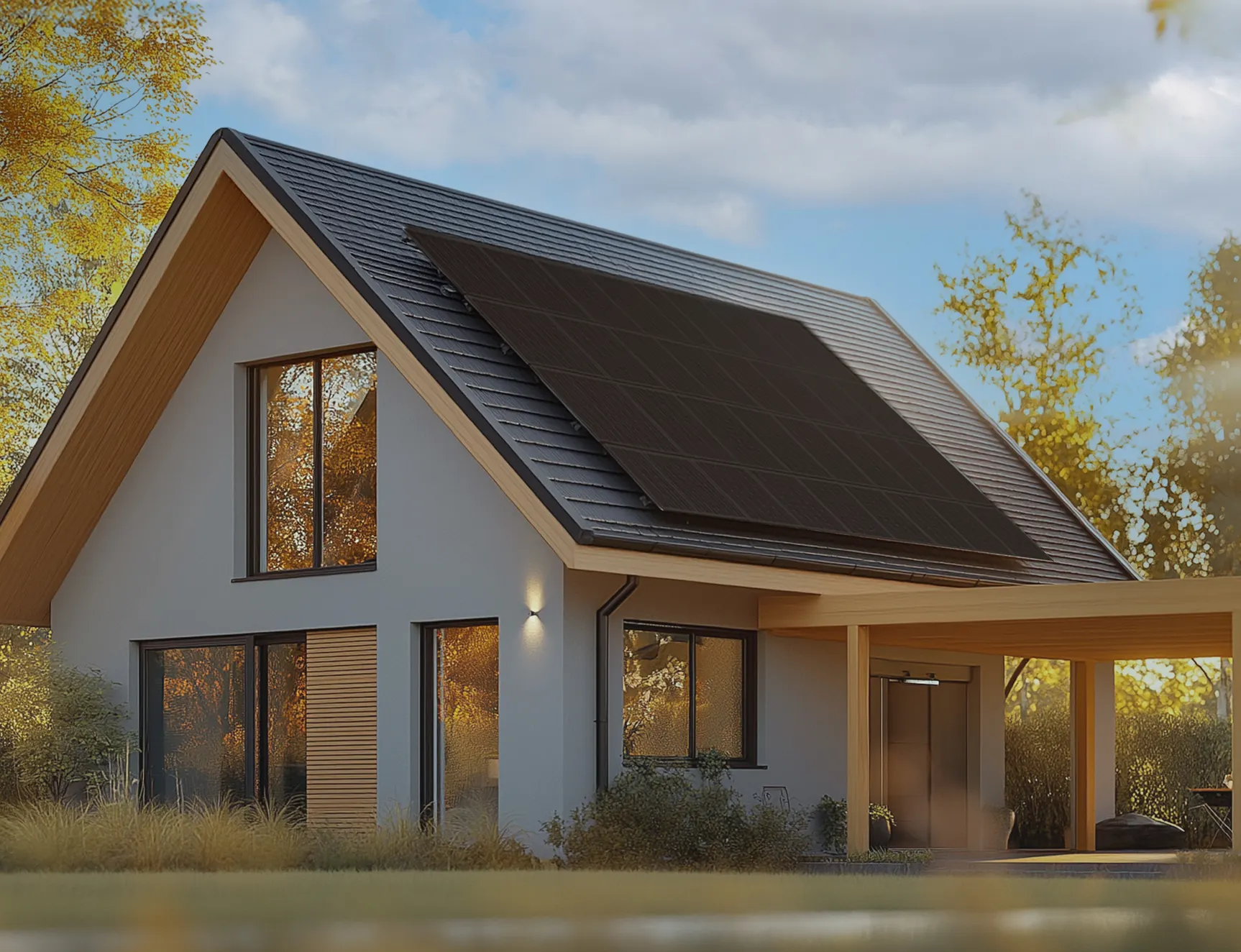
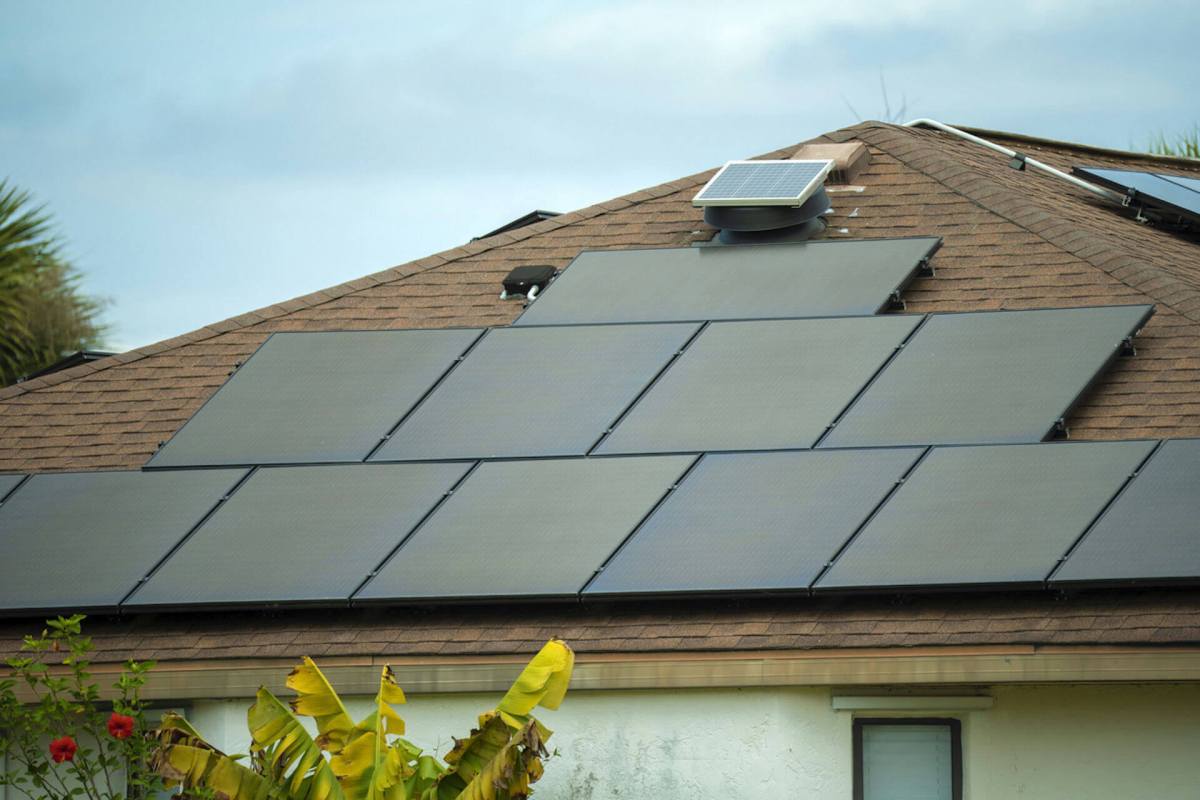
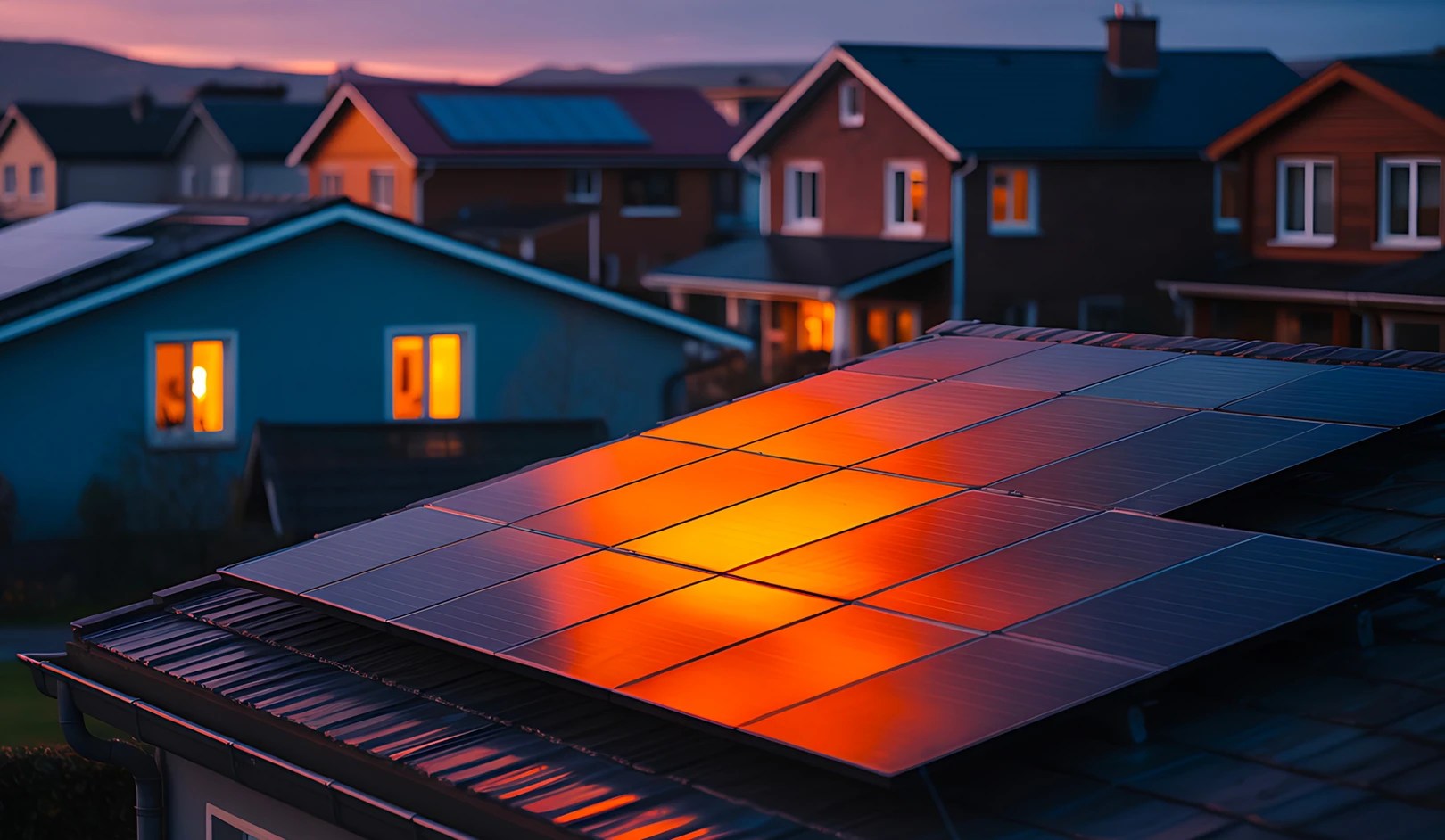

Adding battery storage to a solar setup is one of the best ways to protect your home during outages. It can also keep key appliances running when the grid fails, much like Artisan HQ did during its blackout. Homeowners can explore EnergySage for information about home battery storage options, including competitive installation estimates.
With EnergySage's help, the average person can save up to $10,000 on solar purchases and installations. That can make it easier to build a system that fits your roof and budget without ending up without learning your lesson the hard way like Artisan HQ.

Get TCD's free newsletters for easy tips, smart advice, and a chance to earn $5,000 toward home upgrades. To see more stories like this one, change your Google preferences here.






