


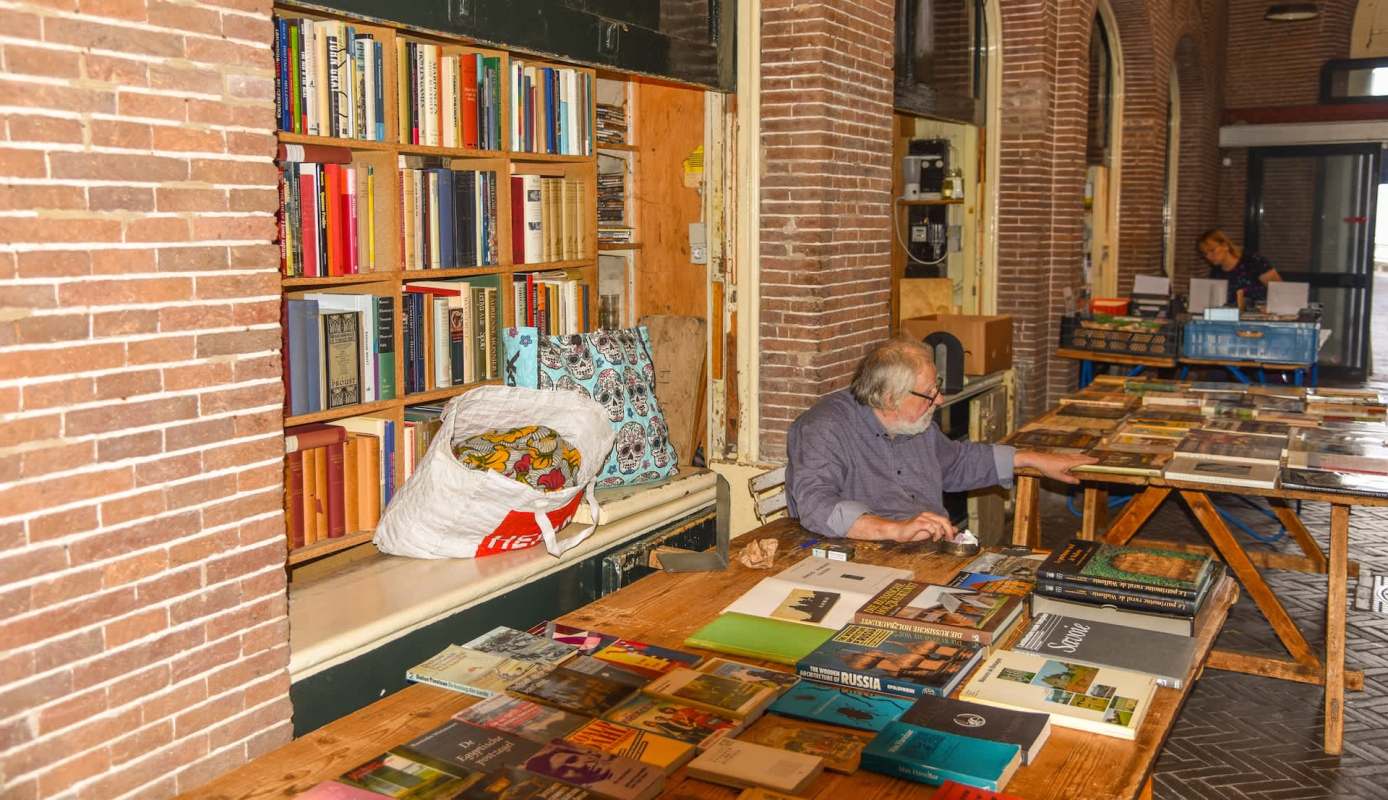
A run of large, oddball purchases has unsettled secondhand booksellers in the U.K. and Ireland, with some in the trade suspecting the books are being bought not for readers but for AI training.
The trend is raising new questions about how tech companies may be sourcing material as they race to build larger, more powerful artificial intelligence models.
Here's what to know
According to booksellers who spoke to The Guardian, buyers in the U.S., Canada, mainland Europe, and the U.K. have been placing large orders comprising unusually varied titles.
At Barter Books in Alnwick, Northumberland, co-owner Stuart Manley said one order combined an Estonian-language edition of John le Carré's The Mission Song, a specific imprint of Anne Brontë's Agnes Grey, and the October 1983 edition of Warship magazine.
Manley said three buyers have purchased "hundreds" of books from him for about £4,000. What made the requests so unusual, he said, was that "normally a book order is on a theme, but this is all over the place."
In Claregalway, Ireland, MW Books owner Jim Shaughnessy said he had noticed the same kind of pattern since May, with requests covering everything from books on "agricultural implements in 18th century Africa through to biographies of 1950s racing car drivers."
TCD Picks » Quince Spotlight
💡These best-sellers from Quince deliver affordable, sustainable luxury for all




A different U.K. bookseller told the outlet that buyers fitting the same profile had bought 6,000 books since January, paying "top whack" and not even asking for bulk discounts.
Those patterns have led some sellers to think the books are being collected for scanning, especially titles that may not already be available online in digital form.
More background
The Washington Post reported that Anthropic, the company behind the Claude chatbot, spent tens of millions of dollars on books that were stripped of their spines, scanned, and then recycled.
In a statement, Anthropic said, "Sourcing books is a widely used approach for training large language models across the AI industry. None of our data acquisition programs buy and destroy rare or antiquarian books."
The reporting also follows a 404 Media story about a books database webpage that said "the world's best AI training data is sitting on a shelf," while arguing that books published before 2022 were particularly valuable because they were less likely to contain chatbot-generated writing.
ISBNdb said the page was only a "test of market interest" and had since been removed.
The rise in strange orders has left some sellers wondering whether books are being pulped after they are digitized.
What's being done?
Many of the orders are placed through marketplaces such as Biblio and AbeBooks, and one delivery postcode used by multiple buyers traced back to freight warehouses near Heathrow airport.
Zoom Books, a Canada-based company, describes itself as "North America's leading book recycling company."
Anthropic has also said its training data comes from "a mix of publicly available web data, commercially acquired datasets, and data we generate ourselves."
For some booksellers, the unanswered questions are still the most striking part.
Manley said, "My theory is that it's masses and masses of AI money being squandered."

Get TCD's free newsletters for easy tips, smart advice, and a chance to earn $5,000 toward home upgrades. To see more stories like this one, change your Google preferences here.






