


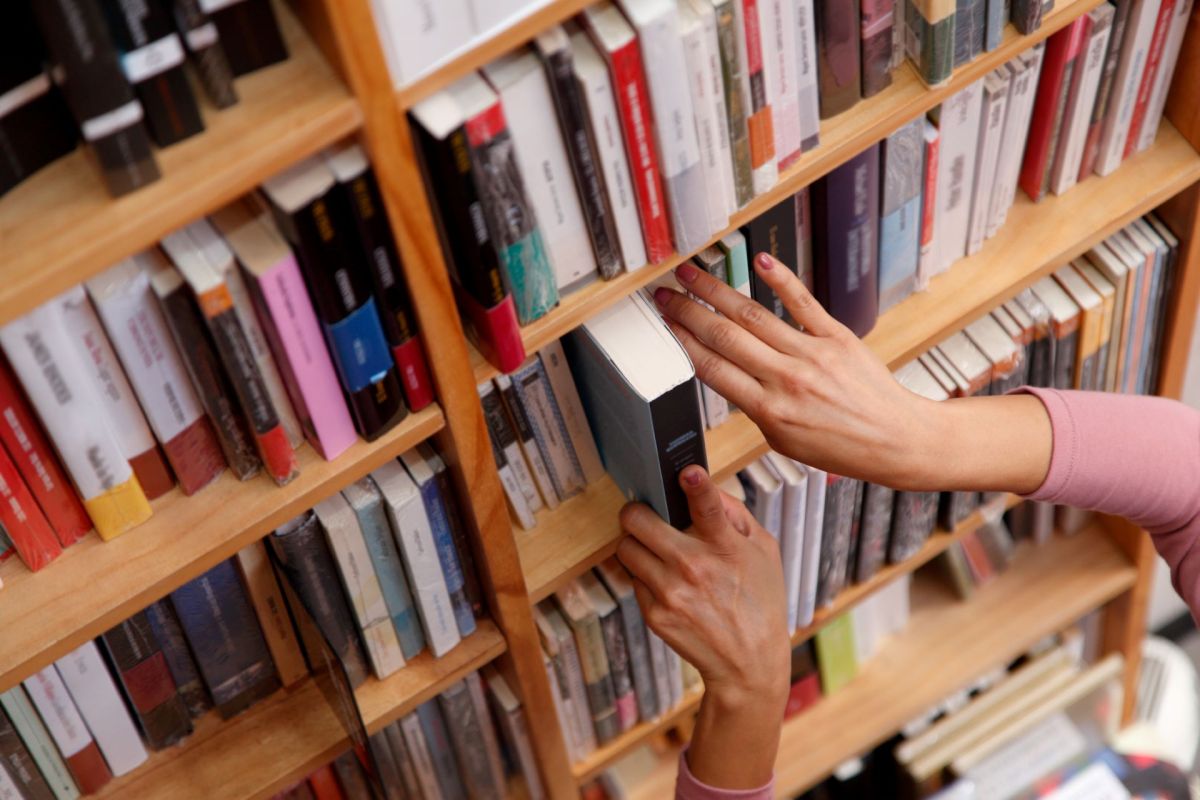
British secondhand book dealers say an unusual buyer is changing the market, placing large orders for old, obscure titles.
As Times Now reported, sellers suspect the books are being bought to train artificial intelligence systems.
Here's what to know
One purchase by a Canadian company nearly equaled everything Barter Books in Northumberland, England, normally sells in a week.
Owner Stuart Manley, who has been in the trade for three decades, said the shop usually moves about 2,000 to 3,000 books over that period.
Accounts from other dealers show it's a pattern. They described to Times Now mixed bulk orders that jumped from obscure Latin texts to cowboy fiction, a randomness that led to wonder about whether the books were being digitized rather than read or resold.
Speculation picked up after a 2025 U.S. copyright ruling involving Anthropic, the company behind Claude.
TCD Picks » Quince Spotlight
💡These best-sellers from Quince deliver affordable, sustainable luxury for all




In that case, Judge William Alsup said it was legal to use purchased books for AI training under the fair use doctrine and distinguished those books from unauthorized sources.
More background
Court documents released later pointed to a digitization effort internally referred to as Project Panama and described a method known as destructive scanning, in which a book's spine is removed so pages can be fed through an industrial scanner. While the pages can be recycled, that results in the physical destruction of the book.
Because booksellers often do not know where these bulk purchases end up, the idea is unsettling, as Times Now detailed. Moving long-unsold stock can be good business, but the calculation changes if the books have cultural importance or are among last surviving copies.
There is also a broader resource question. AI can help society in useful ways, including by improving grid management and making clean energy systems more efficient. However, training and operating AI models can require enormous amounts of electricity and water, straining the energy grid; raising concerns about pollution and utility costs; and creating risks tied to misuse, security, and social consequences.
What's being done?
Anthropic says Claude is trained on a mix of publicly available material, purchased datasets, and internally generated content, and the company said it does not buy and destroy rare or antiquarian books, Times Now reported.
The legal picture in the United Kingdom may be tighter than the U.S. fair use standard. Oxford University intellectual property specialist professor Emily Hudson has said that copying books to assemble AI training datasets can require permission from the copyright holder, which could influence how future bulk-buying and digitization efforts develop.
Sellers are left to weigh welcome business against the possibility of cultural loss.
"Manley pointed out that recycling unwanted titles can be sensible, particularly when enormous numbers of copies remain in circulation," Times Now stated. "He joked that the world probably does not need millions of copies of 'The Da Vinci Code.'"

Get TCD's free newsletters for easy tips, smart advice, and a chance to earn $5,000 toward home upgrades. To see more stories like this one, change your Google preferences here.






