


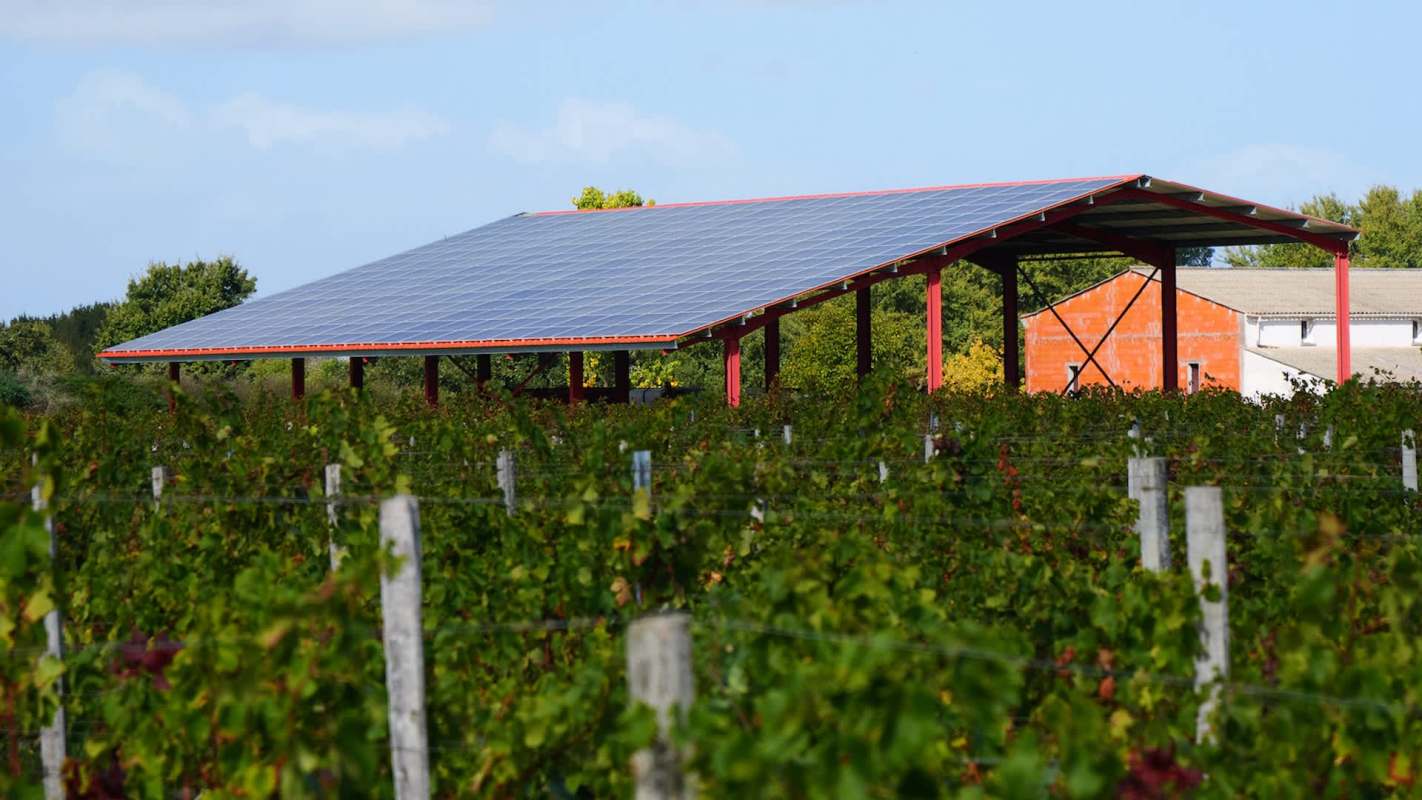
Researchers are proving that solar farms can do more than generate electricity if the land beneath and around them is managed for wildlife.
What happened?
At a U.K. parliamentary event, two new publications were introduced: Solar Energy U.K.'s Solar Habitat 2026 review and a set of "nature positive" solar policy guidelines prepared by the Royal Society for the Protection of Birds, Lancaster University, and the University of York.
Together, they make the case that solar farms can serve as valuable habitat when projects are put in the right places, designed carefully, and managed with biodiversity in mind, Solar Energy UK reported.
Monitoring from a sample covering 6% of British solar farms recorded 259 plant species, more than 2,800 birds spanning 77 species, 2,500 bumblebees, and 27 butterfly species. Nearly half of the birds observed were species of conservation concern.
The reports also pointed to endangered or vulnerable wildlife turning up on solar sites, including wild chamomile, common wormwood, and the wall butterfly.
At one solar farm in Dorset, surveys found adder, common lizard, grass snake, slow worm, and sand lizard — enough for the site to qualify as a "Key Reptile Site" under conservation charity Froglife's criteria.
TCD Picks » Quince Spotlight
💡These best-sellers from Quince deliver affordable, sustainable luxury for all




Researchers also reported that solar farms with wildflower-rich margins could host more than twice as many bumblebees as sites managed as improved grassland.
Why does it matter?
Rather than presenting renewable energy development and land protection as competing goals, the findings suggest some solar projects can support both simultaneously.
More solar can mean a cleaner, more affordable, and more secure energy system, while healthier habitats can support pollinators, birds, and local ecosystems that people depend on.
The stakes are especially high for farmland birds, whose numbers have fallen 62% since 1970, as Solar Energy UK detailed.
One example comes from the community-owned Westmill Solar Farm in Oxfordshire, where researchers documented five corn bunting nests between 2019 and 2023. Inside the solar farm, every nest was successful; outside it, the success rate was 60%.
What are people saying?
Member of parliament Polly Billington, who hosted the event, said: "Clean energy development and nature recovery are not rival ambitions. I'm delighted to see Solar Energy UK and the RSPB coming together to set out how building a more secure and affordable energy system can deliver for habitats as well as homes and businesses."
RSPB chief executive Beccy Speight wrote: "The RSPB supports the rapid rollout of renewable energy, where it is developed in harmony with nature, and solar is a critical part of this effort to drive forward our transition away from fossil fuels."

Get TCD's free newsletters for easy tips, smart advice, and a chance to earn $5,000 toward home upgrades. To see more stories like this one, change your Google preferences here.






