


A temporary value-added tax, or VAT, cut on household electricity in Britain is supposed to ease winter energy costs, but it also irritated some electric vehicle owners.
Drivers who can plug in at home will benefit from the six-month measure, but renters and many apartment residents who depend on public chargers will still pay 20% VAT.
Here's what to know
In a YouTube video, creator William Ball of Tesla Jigsaw (@TeslaJigsaw) described how Britain will reduce VAT on domestic electricity from 5% to 0% from Oct. 1 through March 31 of next year.
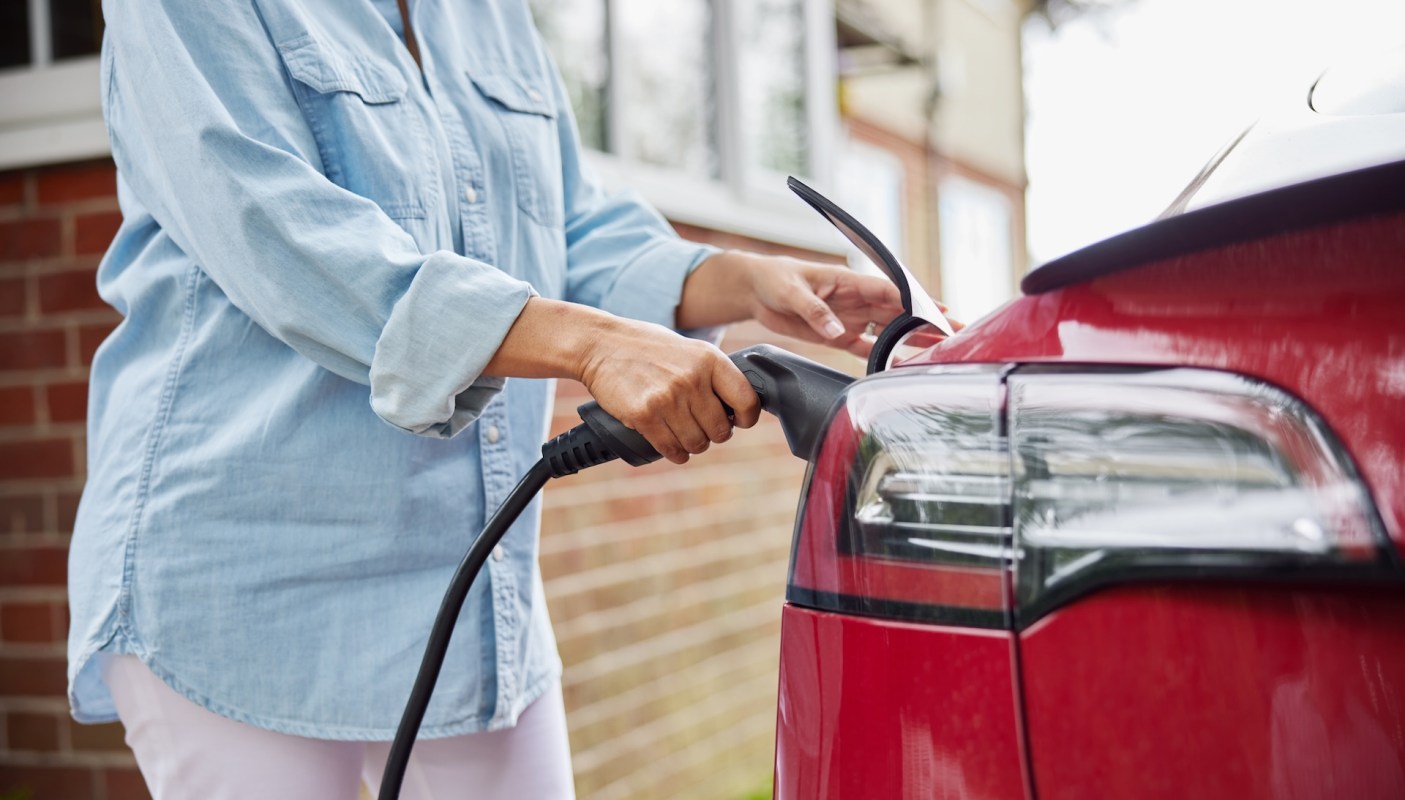
Because the change applies to household power rather than public chargers, it slightly lowers the cost of charging an EV at home for people with off-street parking while offering essentially no new relief to drivers who use curbside or rapid charging.
That divide could make it harder for more households to switch to cleaner cars, even as the country continues pushing for EV adoption.
Using an Institute for Fiscal Studies estimate, the creator said the overall household benefit is limited at roughly £25 (about $33) over the six-month period.
TCD Picks » Quince Spotlight
💡These best-sellers from Quince deliver affordable, sustainable luxury for all




Ball's main objection was the split treatment between charging methods, not the absolute size of the saving. It's hard to justify taxing home and public charging differently when, as Ball said, "It's the same electricity."
More background
The issue matters in part because a large share of households cannot charge at home. The creator said about 40% of households do not have off-street parking, which leaves them more dependent on more expensive public infrastructure.
To show how large the pricing gap already is, Ball compared his own overnight tariff with public rapid charging. Ball said his home rate is just under 7 pence (about 9 cents) per kilowatt-hour and would fall to about 6.5 pence with the VAT change.
Meanwhile, drivers who rely on public rapid chargers can pay roughly 70 to 90 pence (about $0.90 to $1.20) per kWh. That disparity can shape real household decisions about whether an EV will actually save money.
"As someone walking to the public charger to pick up my car I see how this is a problem," a YouTube commenter reacted.
Another commenter suggested, "This reduction wasn't put in place for ev drivers, it's a perk of those who do. The vat on public chargers is a whole different topic."
What's being done?
Ball said the late Quentin Willson of EV campaign group FairCharge had pushed to bring VAT on public charging into line with the domestic rate, and he said that RAC, E.ON, Charge UK, and Auto Trader also backed that effort.
For now, electricity supplied to homes will still get a lower tax treatment while public charging remains subject to the higher rate.
Where can I learn more?
The same issues around EV charging access and government policy crop up frequently.
• In Britain, ministers are weighing more fair system for EV taxes as fuel-duty revenues fade.
• Across U.S. apartment blocks, drivers say free plugs are vanishing as easy charging access tightens.
• For property owners, SWTCH says a transformative charging platform can ease a stubborn EV hurdle.






